Teak Ramos at Can

An old legal distinction, still visible in the language of wills today, is between that which is immoveable— land and property passed down within a family—and that which is moveable: everything that is small enough to keep “à son corps” (on one’s body), to give away, to sell, or to lose. Dresses, cups, and coats belong to this category, as do jewelry and linens. Because moveables used by women were exempt from being passed only through the male line of inheritance, they feature prominently in female wills. In Martha Howell’s study of female gift-giving through inheritance in Medieval Flanders, we find in the will of one Maroie Le Grand such eclectic items as a richly decorated bed, a cloak to be worn indoors, an ivory pot, a white stitched coverlet, a frying pan (the biggest she owns), a silk purse, an amber rosary, a headscarf (her best), and a rabbit-fur coat. A moveable is worth, strictly speaking, whatever someone else is willing to pay for it. Fungibility is the whole point of the category. But signs of use are what actually make these objects undeniably owned by a person and therefore, if only precariously, non-fungible. As Howell explains, “It was perhaps their capacity to crystallize value that made these objects seem more than the money they could buy. When collected in households and draped on bodies, when carefully labelled and described in wills, these goods seemed to escape commerce. By an alchemy that defies quantification, they lost imaginative connection with the very world which gave them value.”
This same instinct for attachment and lineage is present in Teak Ramos’s artworks, including in the titles ofher exhibitions and individual works. Her exhibition In Traditional Fashion (Ulrik, New York, 2024) treats the concept of marriage both materially and sociologically through its allusions to bridal wear, with the titles of the individual artworks rhythmically shifting between Something Borrowed (2024) and Something New (2024). In What’s Wrong With Beauty? (The Gaylord, Los Angeles, 2024), we find mention of fraternal twins and “indissoluble girls.”
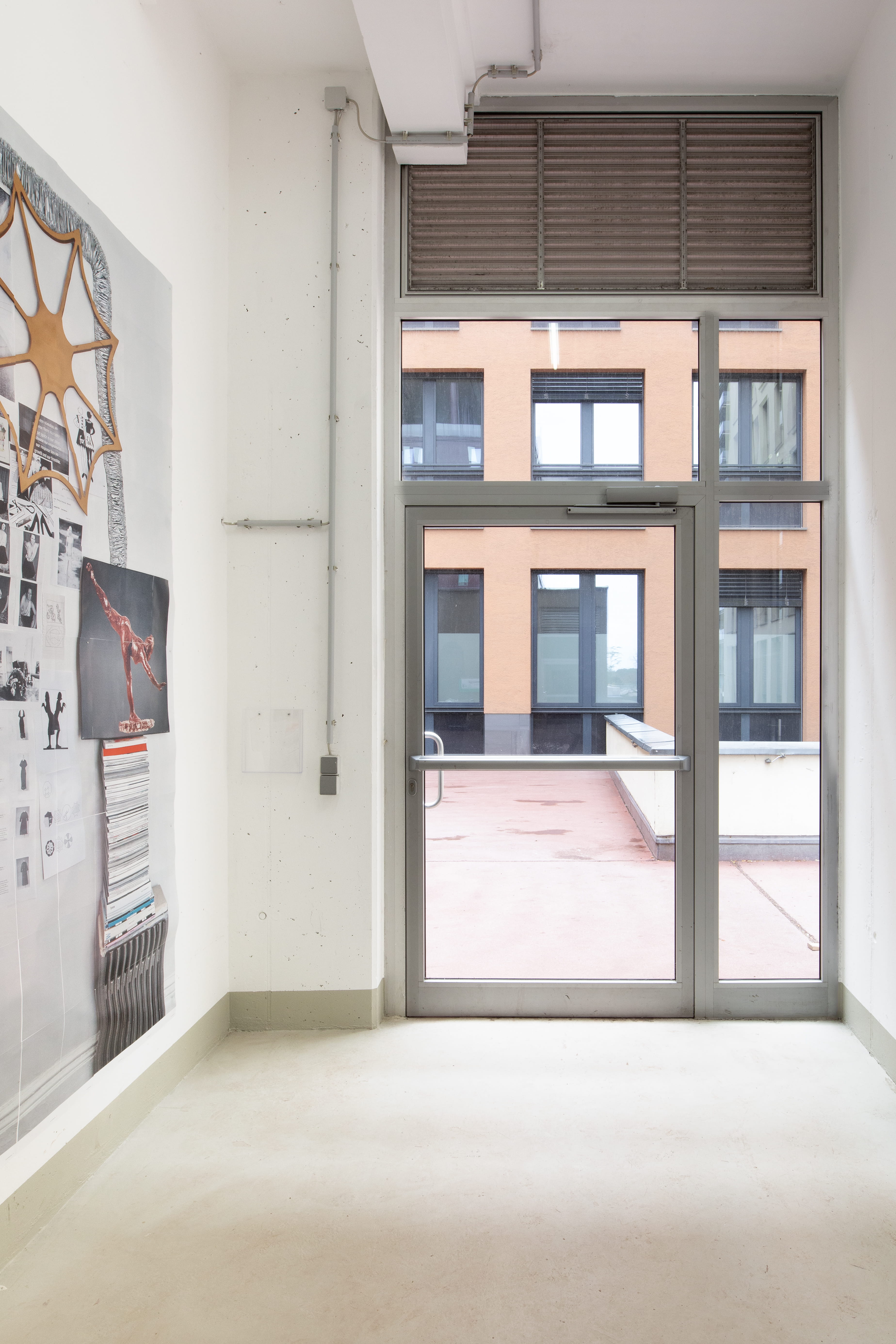
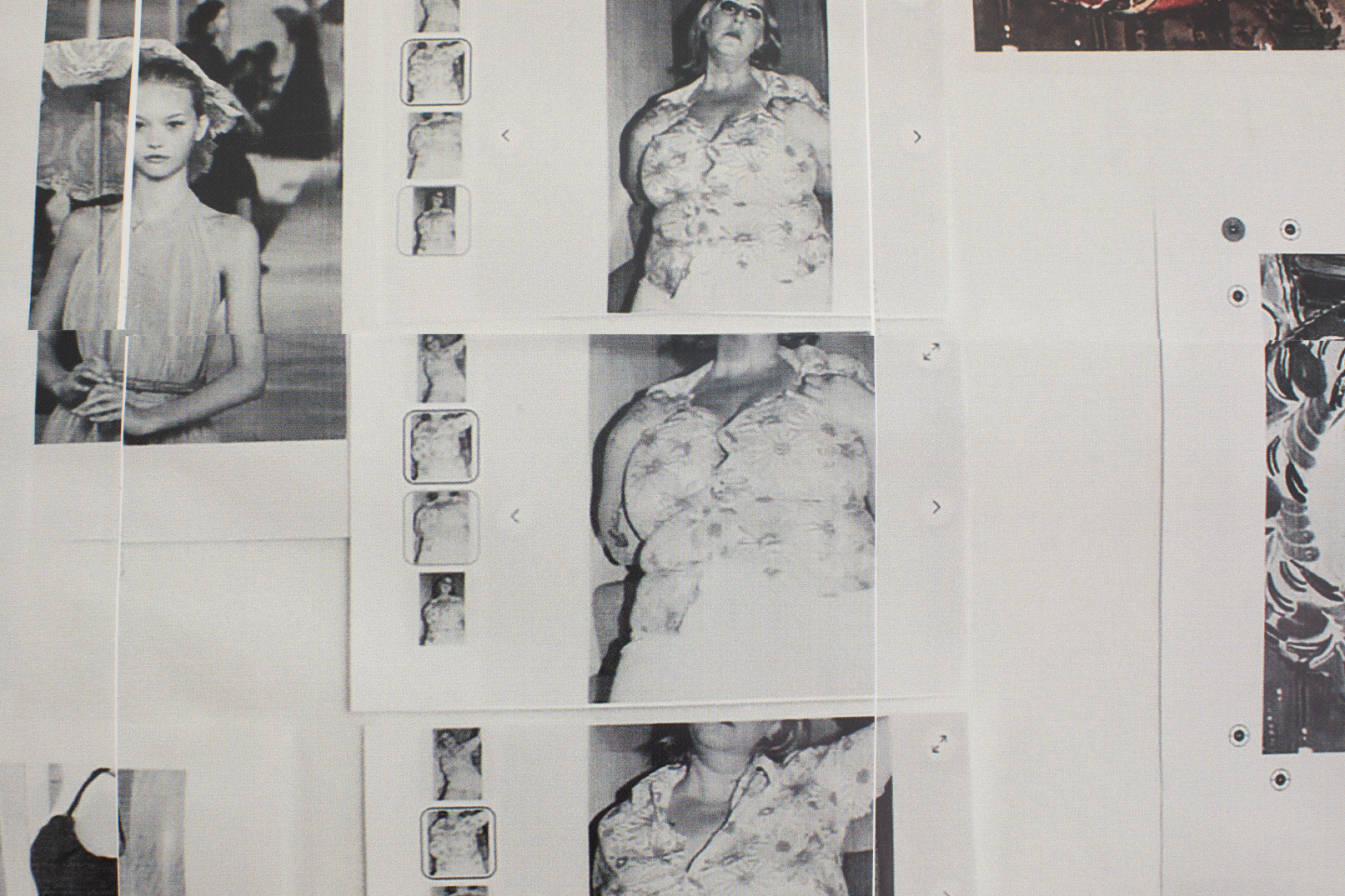
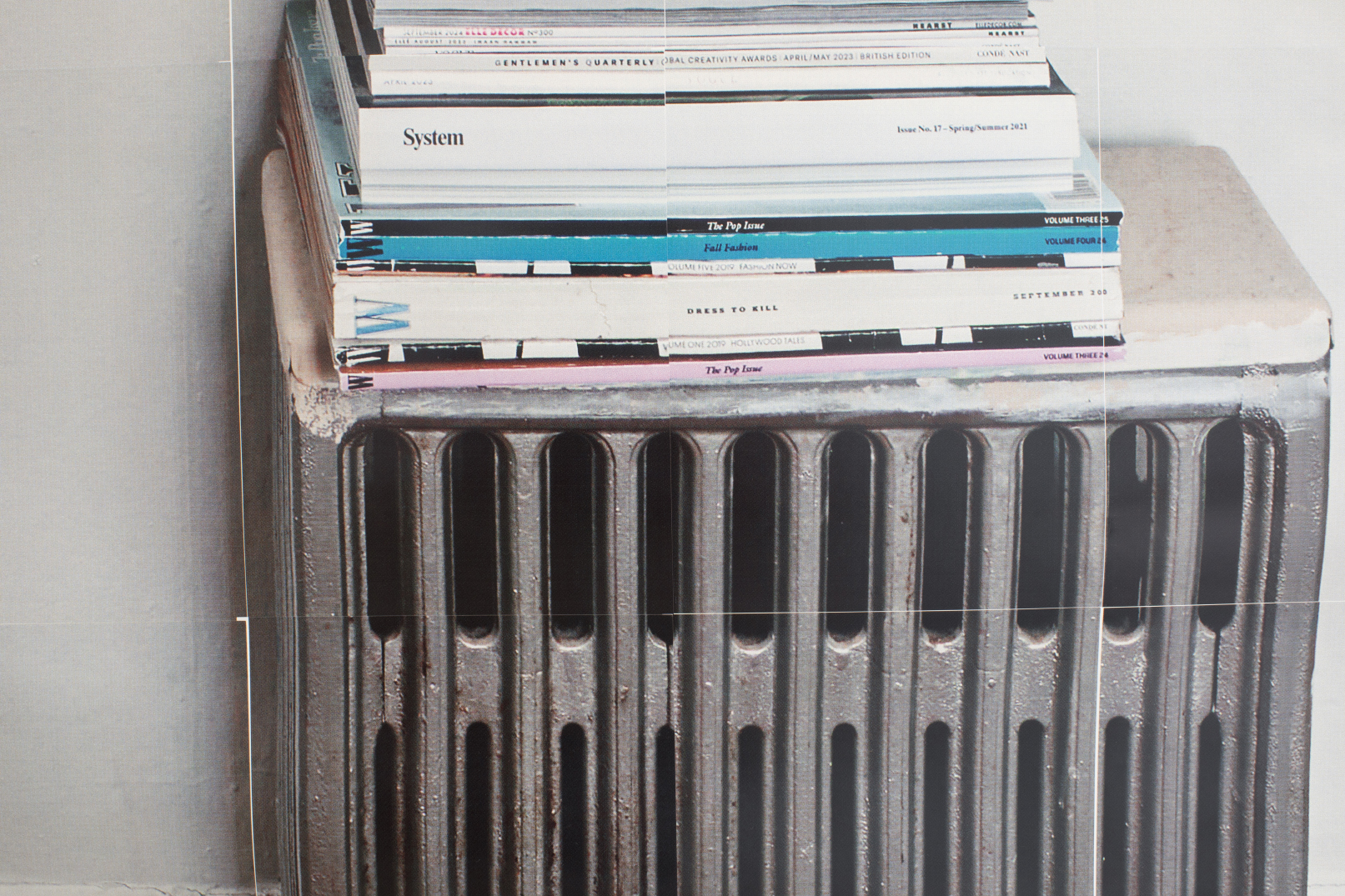
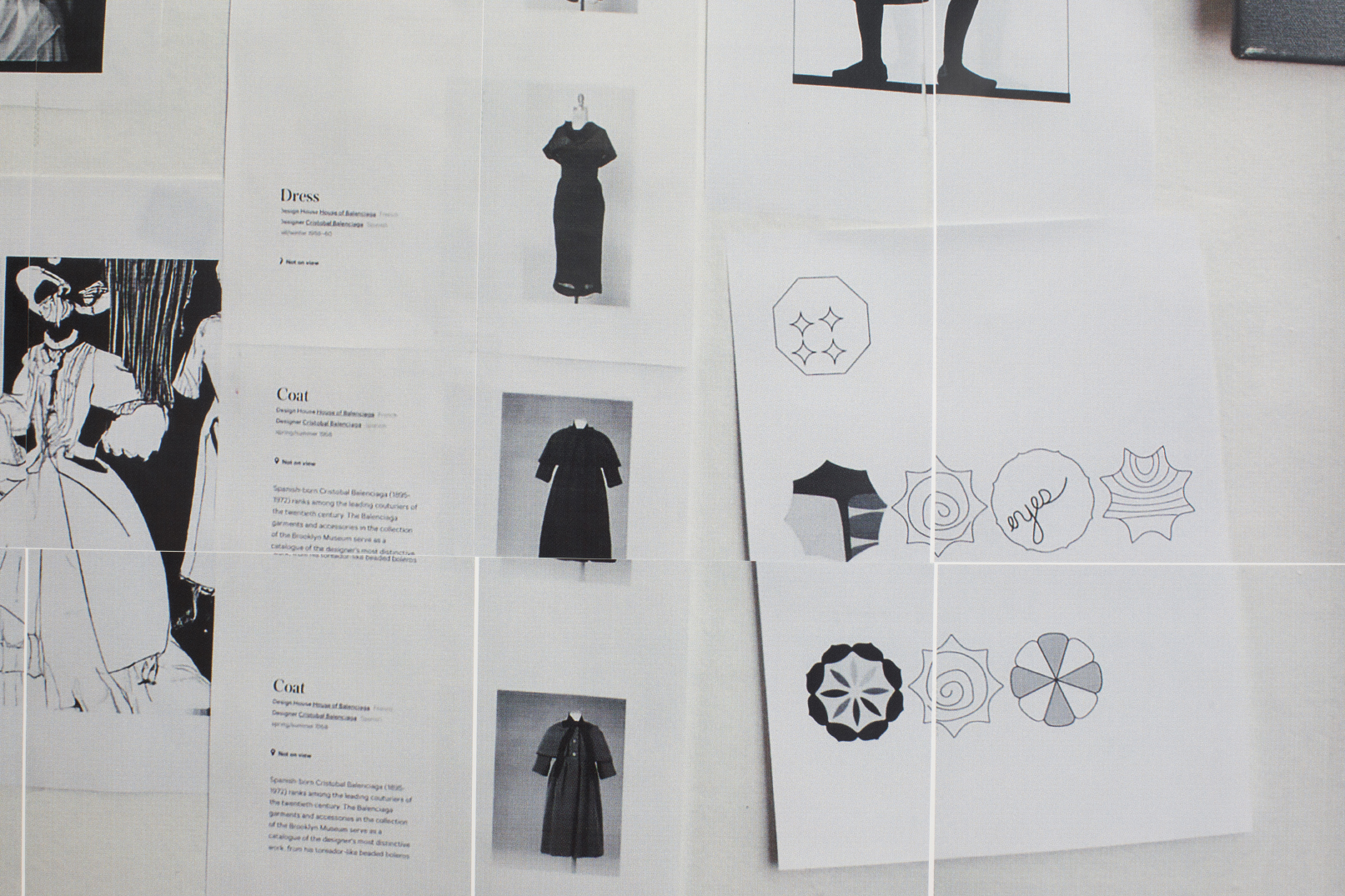
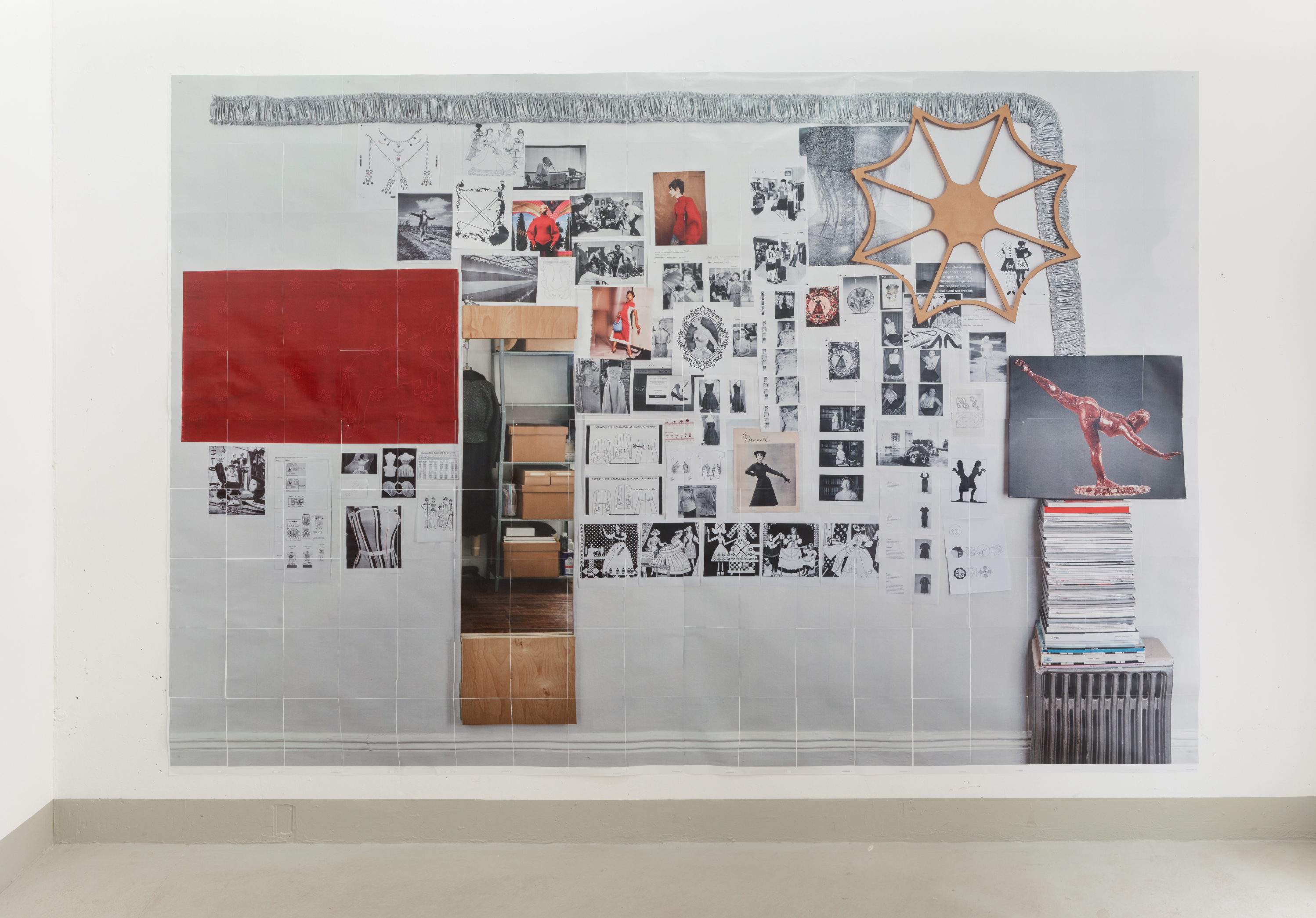
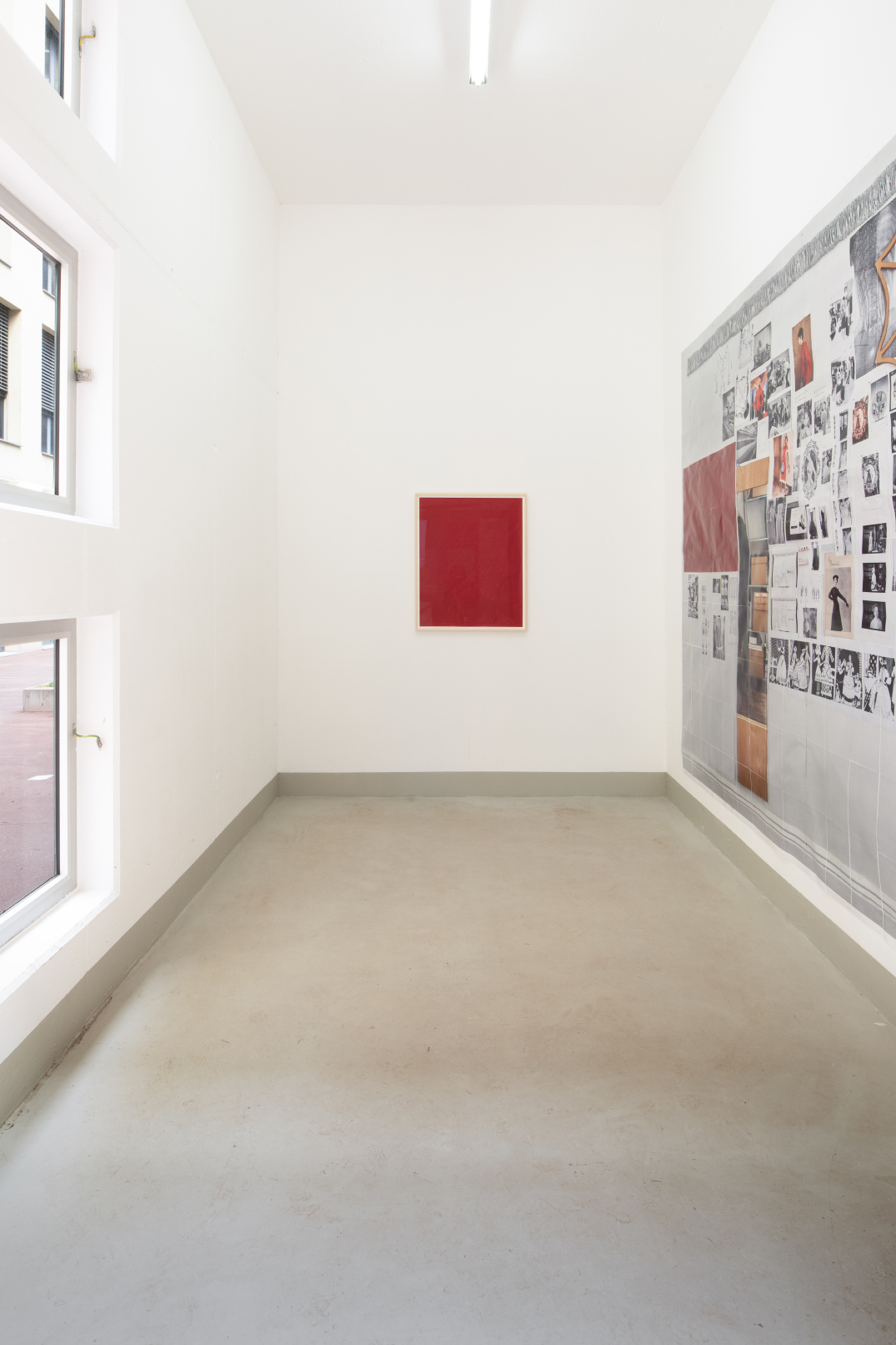
Ramos’s exhibition Pure Presentation at Can consists of two wall works and one ephemeral object. On the right wall, she reassembles the 180 torn pages of her recently published artist’s book, Art for Teenage Girls (Seven Press, 2026), to form a large, checkered photo wallpaper. It replicates the artist’s studio wall on which a collage of letter-size printouts in color and black and white had been pasted, some of them commercial fashion photoshoots, instructions for making garments, and hand-drawn notes, with a reproduction of Degas’ Arabesque atop a stack of fashion magazines placed at the bottom. At the top of the wall, one long ruffle had been attached, made of shiny silver fabric and machine-stitched along its length to prepare it for smocking.
On the center wall at Can hangs a framed piece of meticulously perforated wax paper (Nietzsche’s Red Umbrella, 2026). The motif is based on photographs of Ramos’s O - The Indissoluble Girl (Fraternal Twin #1) and O - The Indissoluble Girl (Fraternal Twin #2)—two artworks belonging to her parasol series and consisting of a star-shaped wooden armature, which is covered entirely by a shiny silver ribbon, densely smocked to create a ruffle that snakes out from the center to the edges.
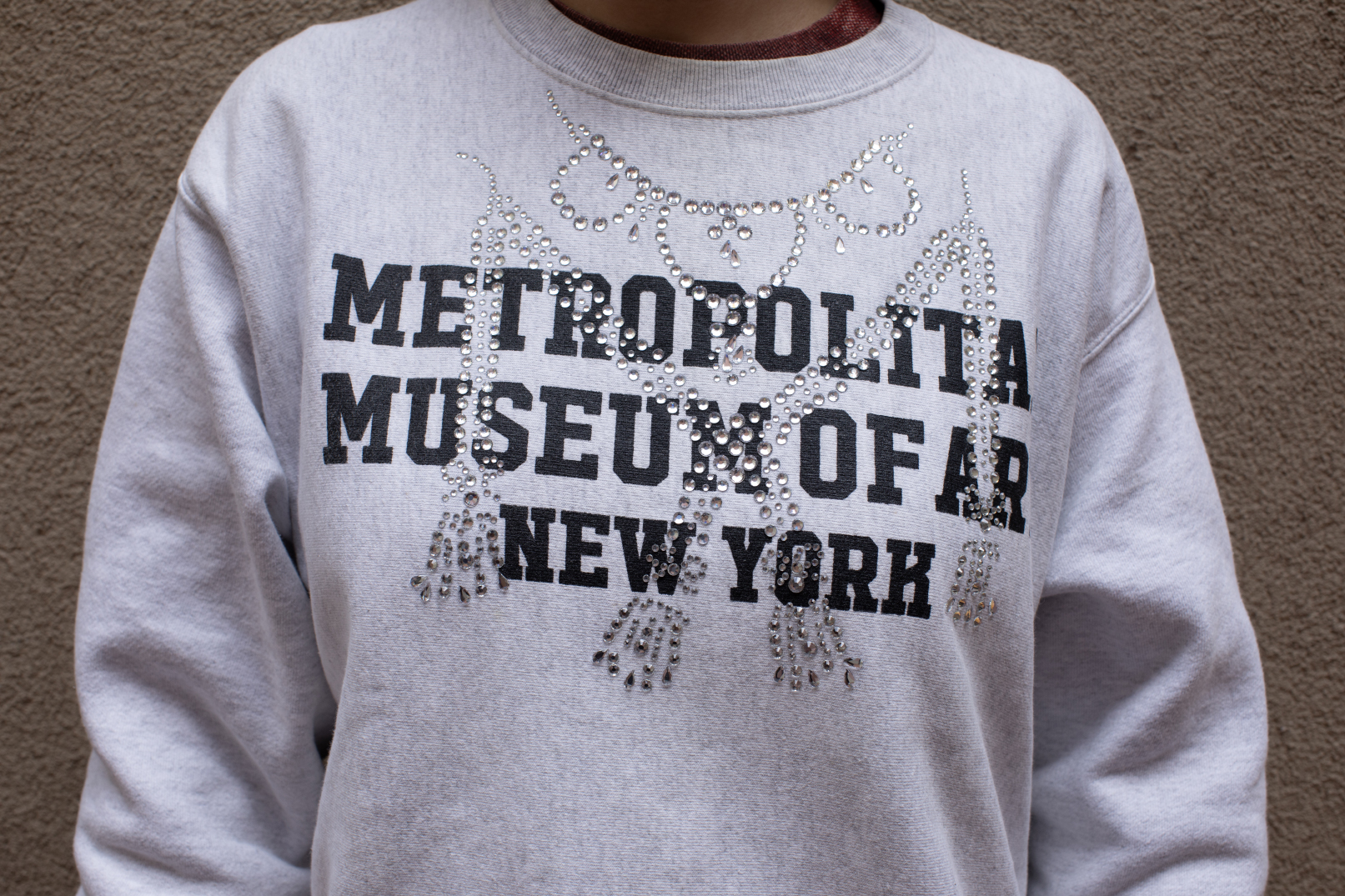
The exhibition’s third work (Rhinestone: Applied Arts, 2026) extends beyond Can’s walls into the social space of the opening itself. Ramos applied rhinestones to a ready-made grey cotton sweatshirt printed with block letters reading “METROPOLITAN MUSEUM OF ART NEW YORK,” to be worn by a friend at the opening. The rhinestones mimic the design of the Collier de la Reine, the diamond necklace wrongly associated with Marie Antoinette and still used as shorthand for her extravagance.
In all three works, an image is not merely rendered in a new material; the pieces also offer the possibility of an intimate transmission akin to a gift: Ramos’s studio wall is handed, page by page, to the reader of the book. A wall work is transferred onto the paper that tailors use to pass a pattern on to others or to make more copies. The image of the necklace is turned into an ornament worn by a friend.
While ultimately no object is immutable and safe from commercialization, the attempt to resist alienation is what is at stake for Ramos. Her art practice is not concerned with the philosophical image of fashion as a place where, per Walter Benjamin, labor goes to die. Closer to the mark is the intimacy of the maker with her materials, the residue of a life lived through and alongside objects like a checkered quilt: There is a reason Ramos’s studio walls are littered with instructions on how to create objects as diverse as a parasolmade from wood and fabric, a smocked laptop charger cover, a wood-lathed tailor’s clapper, a Bench for Sitting - Pink (2024), an altered 1950s petticoat or twin purses decorated with flowers, rhinestone patterns; she also includes shopping lists and version after version of her own sloper. Ramos’s practice is not nostalgic craft, however: Handiwork seamlessly interweaves with computer work; lines traced digitally become shapes to embellish with a ruffle. Her work is precise and specific. While it appreciates fashion’s products as instances of technological dexterity, it abhors fast fashion’s unraveling and the fashion commodity as a postmodern staple to be held against fine art’s search for beauty.
The old saying “Something old, something new, something borrowed, something blue” is used to stipulate a bride’s attire for her wedding day. It is existentialist in its understanding of human life as wrapped up with objects of every kind. That which is new asks us to protect it from wear. That which is old has absorbed someone’s time and care and could not be re-produced. That which is borrowed requires a social bond with another. This distills the drama of our lives into things, and it is in the breadth of possible things evoked that we find Ramos’s practice.
Anna Sophie-Berger