Michaël Borremans at David Zwirner

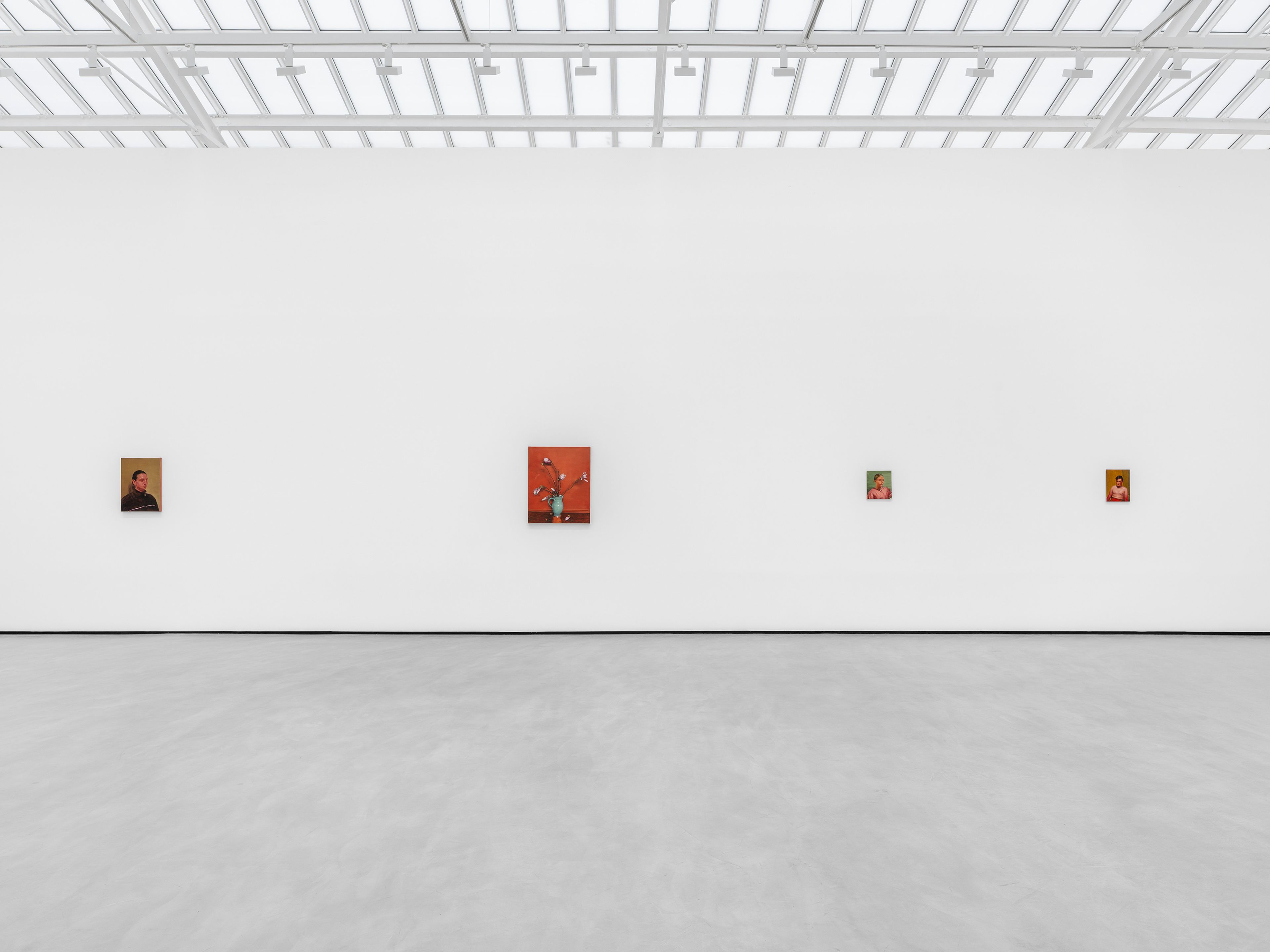
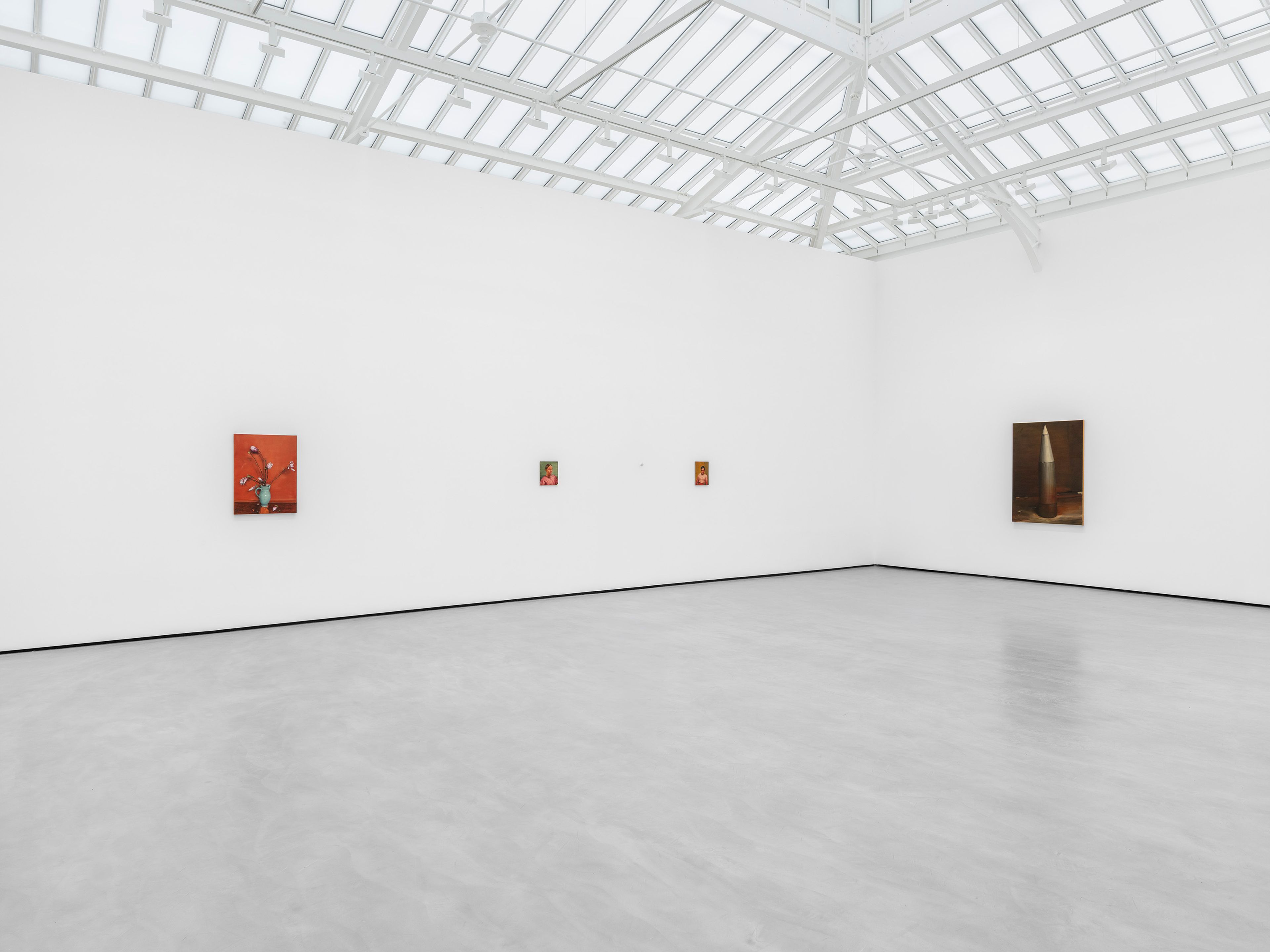
David Zwirner is pleased to announce F r ench P ai nt i n g, an exhibition of new paintings by Belgian artist Michaël Borremans, taking place at the gallery’s Paris location. French Painting is the artist’s ninth solo presentation with David Zwirner and his first at the Paris gallery, marking his first solo show in France in twenty years, following The Good Ingredients at La Maison Rouge–Fondation Antoine de Galbert in 2006.
Borremans creates meticulously composed works that resist immediate interpretation and defy the illusion of stability and the reliability of representation, redefining the possibilities of contemporary painting through the union of technical mastery and disquieting imagery. Spanning painting, drawing, film, and sculpture, his oeuvre is shaped by a sustained paradox between precision and uncertainty. With a distinct tension that has a haunting relevance in our time, Borremans engages in his work timeless human concerns: power, vulnerability, ambiguity, and identity, probing the instability of meaning itself.
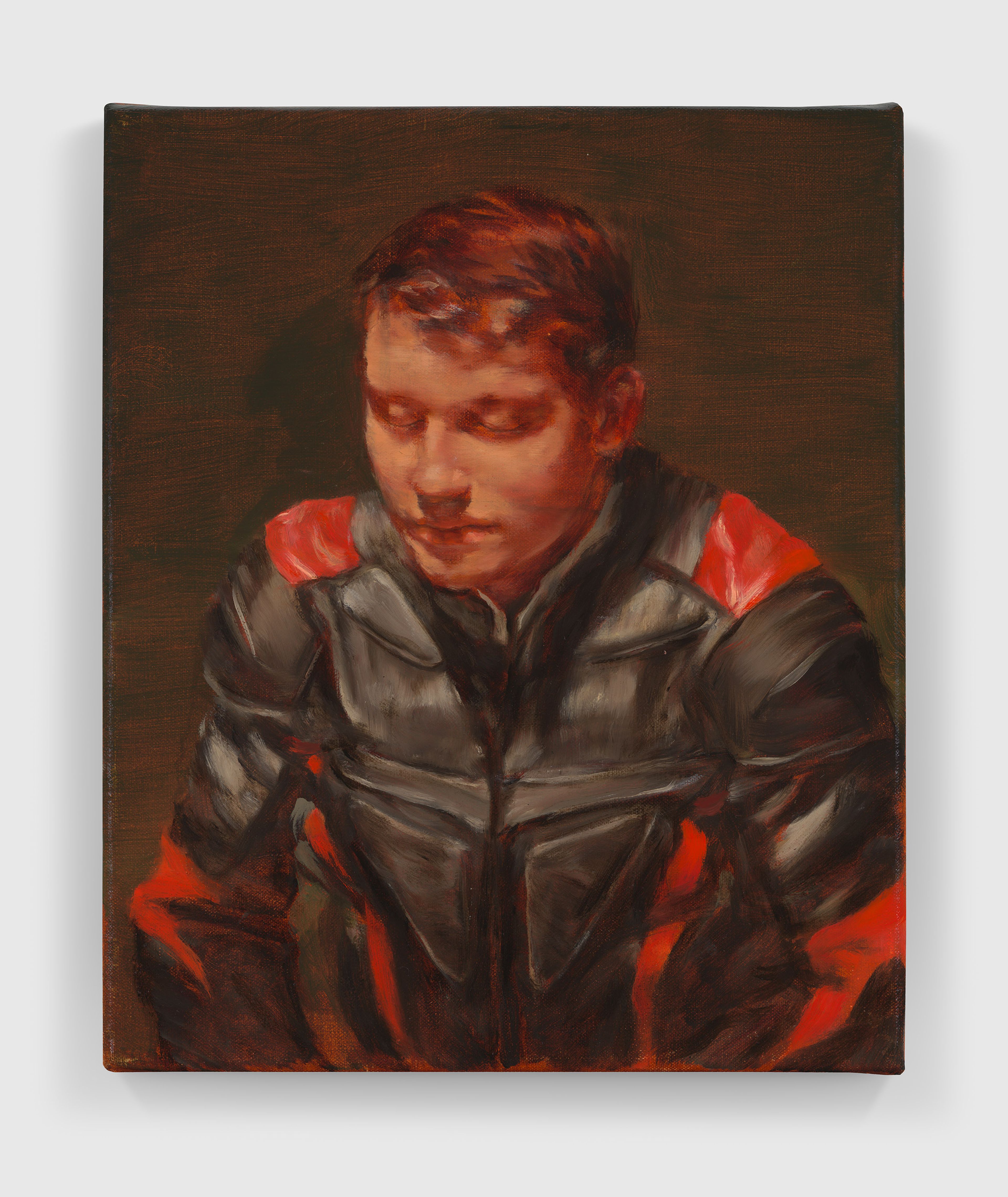
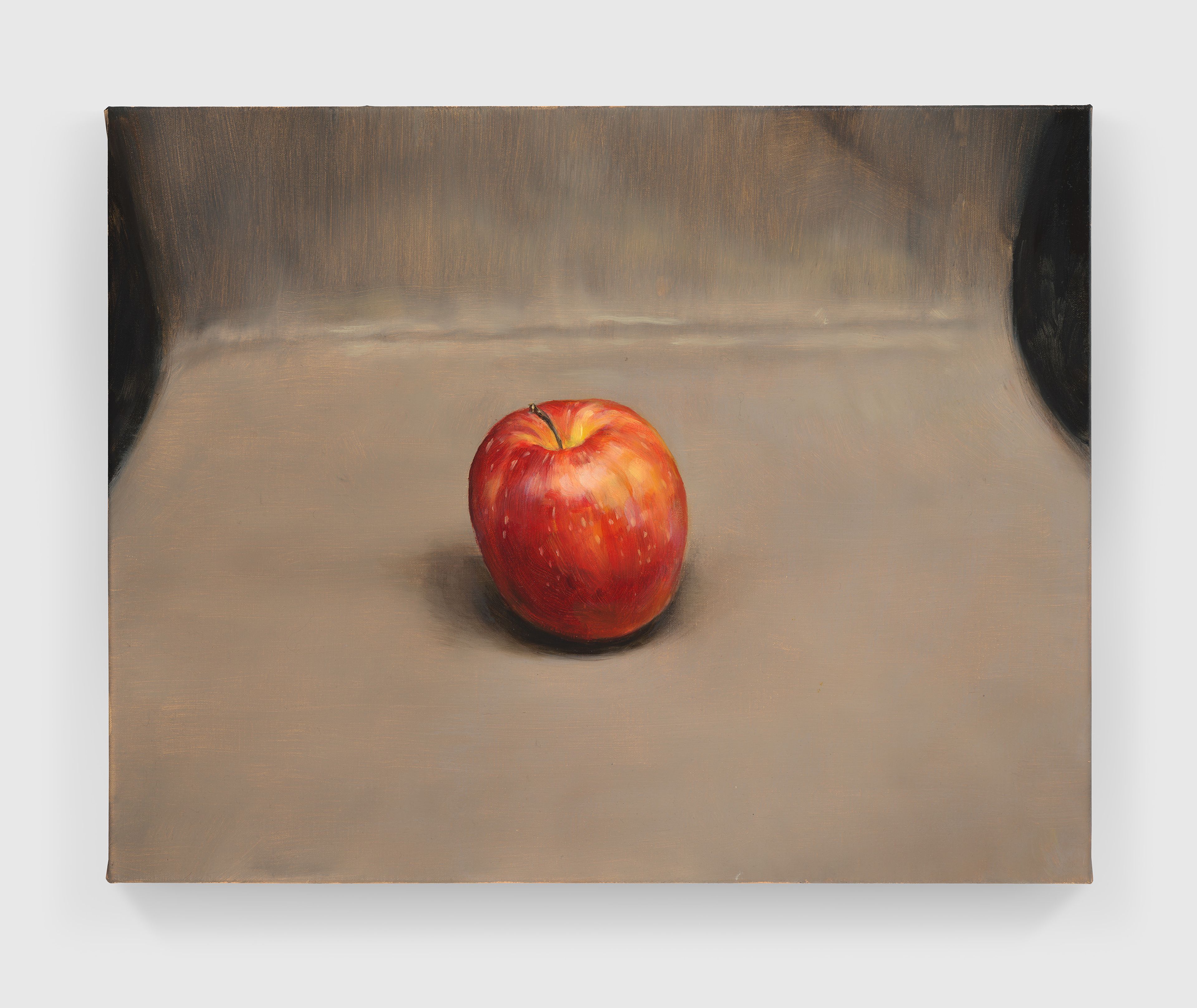
French Painting unfolds as an ironic homage to the French pictorial tradition, subtly unsettling its legacy. Across the paintings in this exhibition, beauty emerges as both seductive and disturbing, suspended between tenderness and nihilism. While the show title evokes a lineage of classical image-making by the likes of such figures as Jean-Antoine Watteau (1684–1721), Jean-Siméon Chardin (1699–1779), and Édouard Manet (1832–1883), in a range of academic genres such as still life and portraiture, the paintings do not situate themselves within that heritage. Understated and restrained, Borremans’s canvases are layered with familiar and uncanny references. In a conversation with film director Luca Guadagnino, Borremans observed, “Like most artists, I try to reflect on life, on humanity, and on contemporary issues, but with the tools that are suitable for me. I like to reflect on contemporary worlds through a historical view. I’m very interested in history and in art history, of course. And I try to relate in terms of the visuals of today and the visuals of yesterday, because they are still present. ” (1)
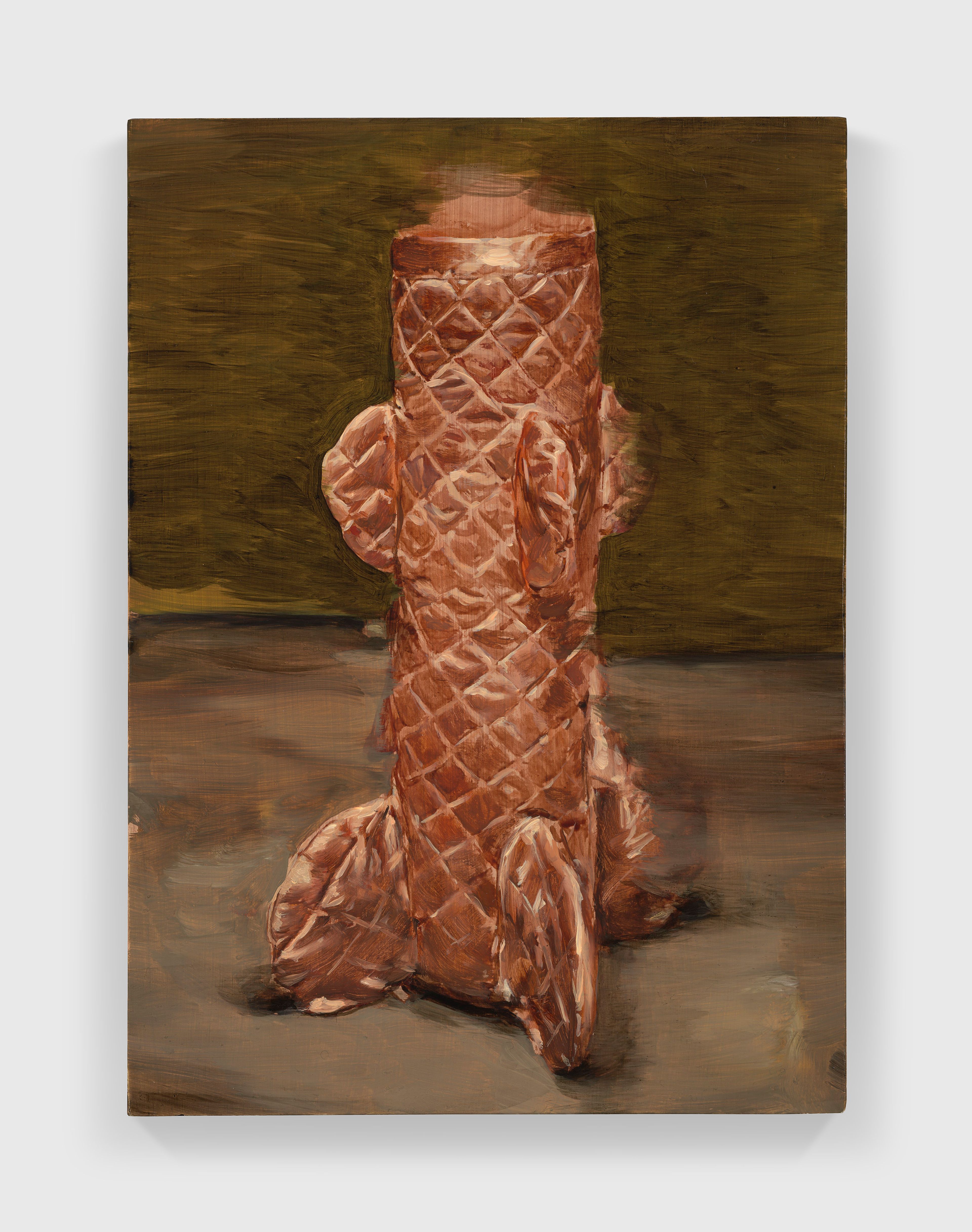
In Borremans’s visual language, recurring motifs such as missiles emerge as objects that oscillate between threat and desire, technology and progress. An explosive—the surface of which is seemingly cloaked in a lustrous pink insulated quilt—takes center stage in Happiness (2026). In another painting, which engages with the legacy of the still life tradition, cuttings of magnolia branches in a green ceramic pitcher blossom, eliciting fragile memories of purity and innocence absorbed into aesthetic systems of value and display. The painting embodies a tension between nature and the human impulse to dominate and control, revealing a world in which beauty and destruction are intertwined.
Within the artist’s portraits in French Painting, guilt and innocence coexist here in a fragile state of unresolved duality; the figures are agents of disturbance and its consequence in a world wherein sentiment and estrangement coexist. Borremans’s paintings of such subjects eliminate distinctions between genres: the portrait in which identities dissolve becomes a still life, and the still life in which the subjects simmer with affective undercurrents becomes a portrait.
As Borremans notes, “I play with the conventions of painting as a medium and the conventions of imagery in Western culture. I question it by making unexpected associations within the image, which arevery subtle sometimes, and that provokes an interesting situation in how you perceive the work.… When I make the work, I try to see that happen. I try to see if it has the spark that can provoke that.” (2)
––
Michaël Borremans (b. 1963) was born in Geraardsbergen, Belgium. In 1996, he received his MFA from Hogeschool voor Wetenschap en Kunst, Campus St. Lucas, in Ghent. Borremans continues to live and work in Ghent.
David Zwirner has represented the artist’s work since 2001. In June 2024, the solo exhibition Michaël Borremans: The Monkey went on view at David Zwirner, London. Previous solo presentations at the gallery include The Acrobat (New York, 2022); Fire from the Sun (Hong Kong, 2018), Black Mould (London, 2015), The Devil’ s Dress (New York, 2011), Taking Turns (New York, 2009), Horse Hunting (New York, 2006), and Trickland (New York, 2003).
Borremans’s work has been the subject of solo exhibitions at a number of prominent institutions. In 2024, Michaël Borremans – A Confrontation at the Zoo, a comprehensive solo exhibition was presented at Museum Voorlinden in Wassenaar, the Netherlands. The same year, Prada Rong Zhai opened Michaël Borremanss: The Promise, the presentation of which was installed in a 1918 historic home in the Jing’an district of Shanghai. In 2020 and 2021, the two-person presentation, Michaël Borremans | Mark Manders: Double Silence, was on view at the 21st Century Museum of Contemporary Art, Kanazawa, Japan. Also in 2020, Michaël Borremans: The Duck was on view at Galerie Rudolfinum, Prague. Michaël Borremans: Fixture was presented at the Centro de Arte Contemporáneo de Málaga, Spain, in 2015 and 2016. A major museum survey, Michaël Borremans: As sweet as it gets, which included one hundred works from the past two decades, was on view at the Palais des Beaux-Arts in Brussels in 2014. The exhibition traveled later in the year to the Tel Aviv Museum of Art, followed by the Dallas Museum of Art in 2015. Michaël Borremans: The Advantage, the artist’s first solo museum show in Japan, was also on view in 2014 at the Hara Museum of Contemporary Art, Tokyo.
In 2011, Michaël Borremans: Eating the Beard, a comprehensive solo show, was presented at the Württembergischer Kunstverein Stuttgart, and traveled to the Műcsarnok Kunsthalle, Budapest, and the Kunsthalle Helsinki. In 2010, Borremans had a solo exhibition at the Kunstnernes Hus in Oslo, as well as commissioned work on view at the Royal Palace in Brussels. Other venues that have hosted solo exhibitions include the Kestner Gesellschaft, Hanover, Germany (2009); de Appel Arts Centre, Amsterdam (2007); Stedelijk Museum voor Actuele Kunst (S.M.A.K.), Ghent (2005; traveled to Parasol unit foundation for contemporary art, London; and Royal Hibernian Academy, Dublin); Cleveland Museum of Art (2005); Kunsthalle Bremerhaven, Germany (2004); and the Museum für Gegenwartskunst, Basel (2004).
Work by the artist is held in public collections internationally, including the Art Institute of Chicago; Cleveland Museum of Art; Dallas Museum of Art; Hammer Museum, Los Angeles; High Museum of Art, Atlanta; Israel Museum, Jerusalem; Los Angeles County Museum of Art; Musée d’Art Moderne de la Ville de Paris; Museum of Contemporary Art, Los Angeles; Museum of Fine Arts, Boston; The Museum of Modern Art, New York; National Gallery of Canada, Ottawa; San Francisco Museum of Modern Art; Stedelijk Museum voor Actuele Kunst (S.M.A.K.), Ghent; and the Walker Art Center, Minneapolis.
––
1. Michaël Borremans, in conversation with Luca Guadagnino, “The Badger,” Interview Magazine, no. 554 (Spring 2024), p. 55.
2. Ibid., p. 56.