Karla Zurita at Triest

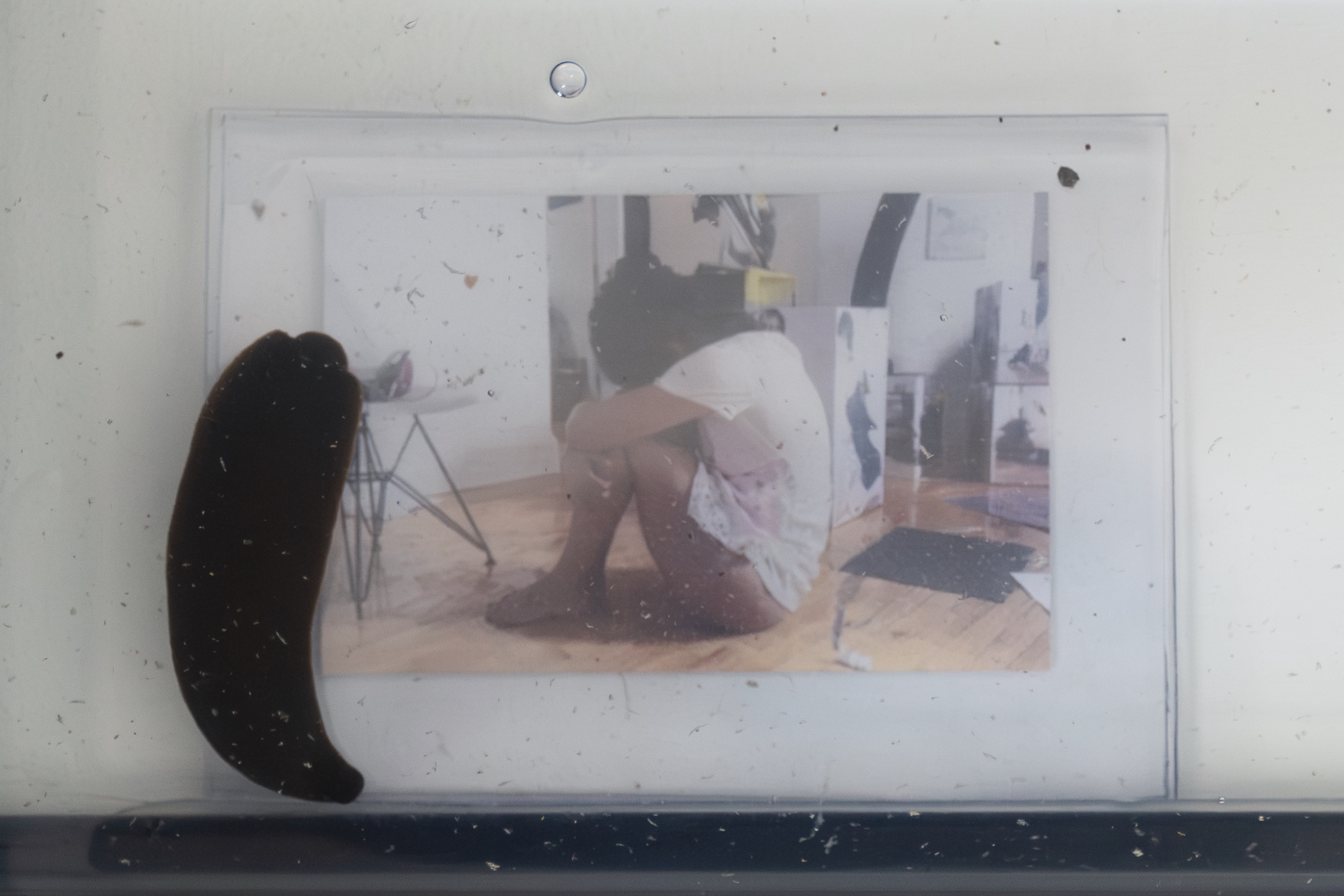
Near the end of his Ars Poetica, Horace compares the mad poet to a leech, establishing the mad poet as uniquely dependent on the attention of the listener, who they eventually consume. Horace, however, spends much of the letter establishing the audience as a constitutive part of the poetic event. In reading the Ars Poetica, it’s clear that Horace’s poet, mad or not, is always in some way dependent on her audience. Further, it’s not obvious that Horace thinks poetry can be written without the poet possessing at least some degree of madness. For Horace, the poet, in order to write, must access a kind of genius that exceeds and escapes rationality at every turn. In other words, Horace’s poet is always at least potentially the mad poet. So if the distinction is so unstable, why analogize the mad poet specifically, and not the poet in general, to the leech?
We might start off by saying that the analogy hinges on a lack of reciprocity that the mad poet and the leech may share. Here, it’s not dependency that’s at stake, but interdependency—in a healthy poetic event, the poet may consume the listener’s attention, but the listener gets something out of it too. Such reciprocity is, however, in no way guaranteed. Madness becomes for Horace both the condition of possibility for poetry itself and also the immanent potential for its failure. The poet, unable to justify nor evaluate her actions through rationality alone, is doomed to repeat the question: is this doing anything for you?
I want to spend the rest of our time together mapping out some of the relations of dependency at work in this particular art event.
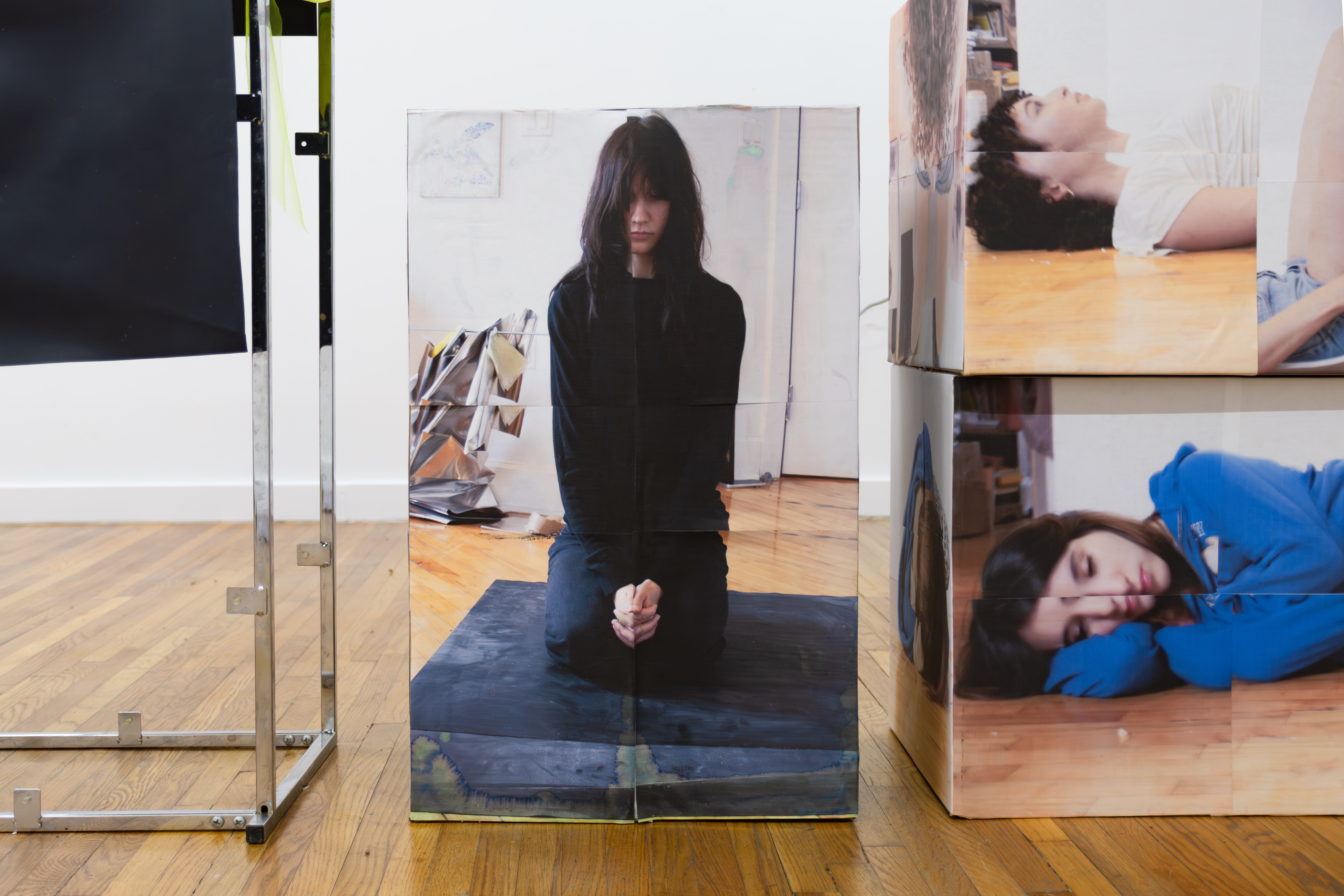
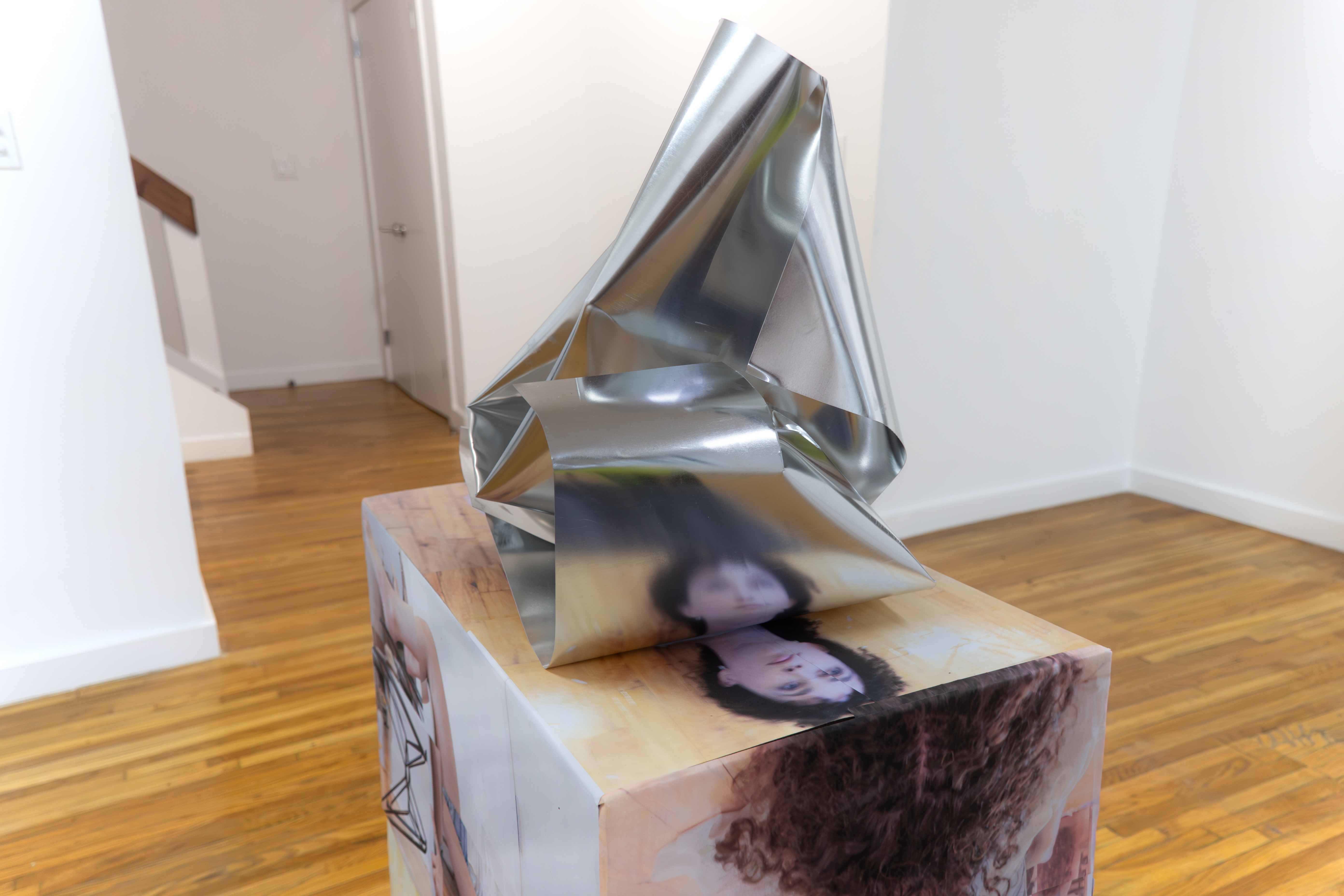
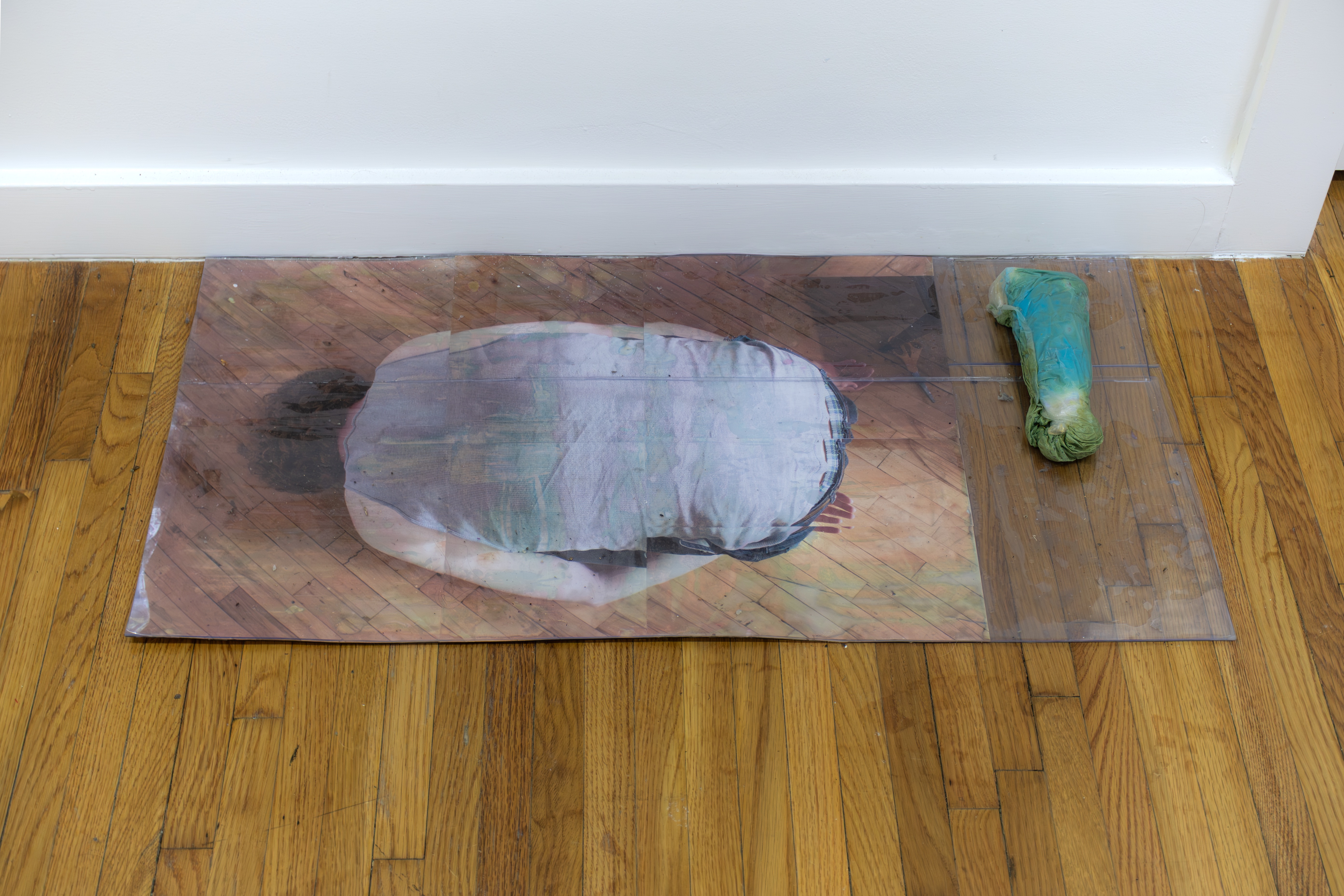
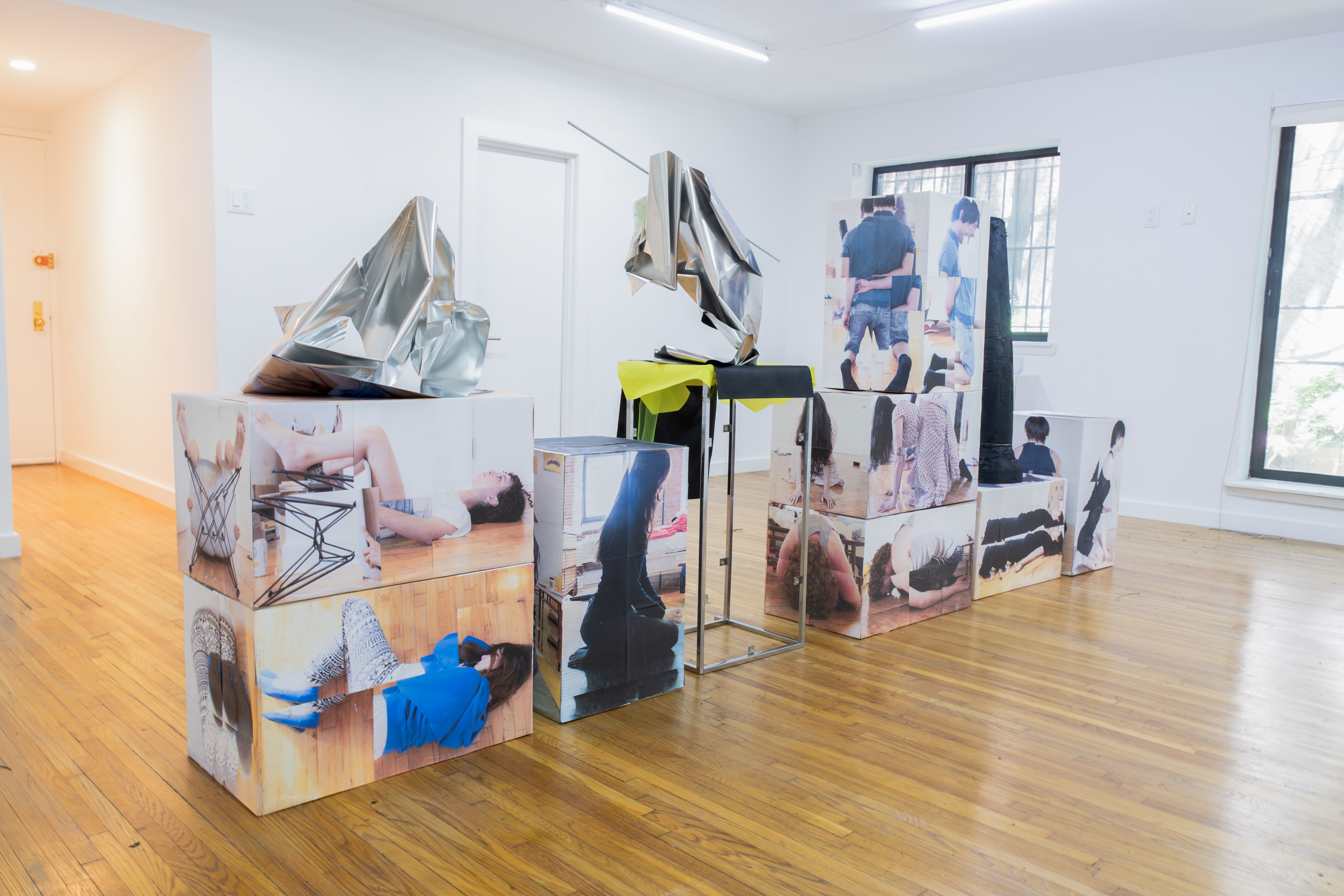
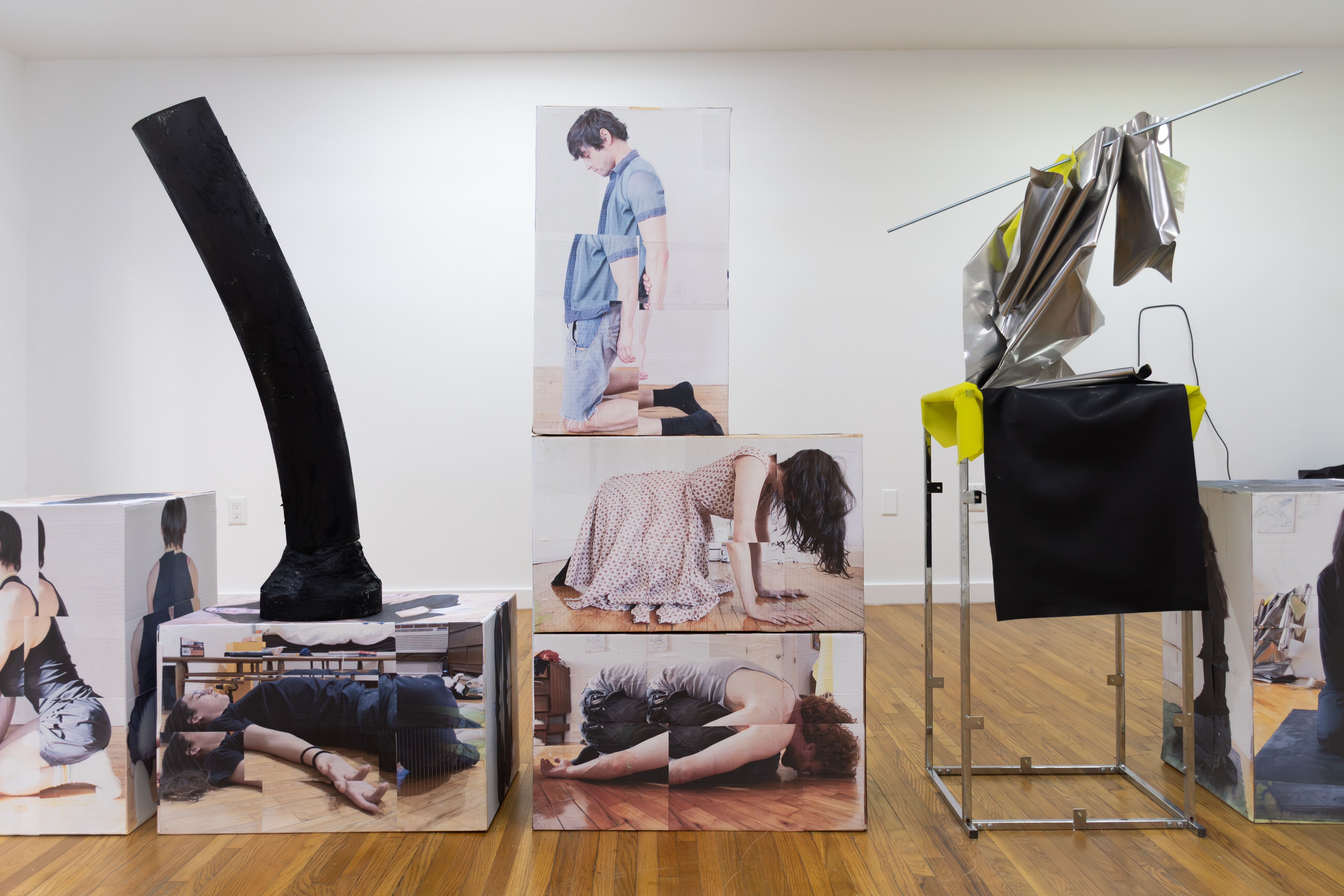
Karla depends on the bodies of the artists she photographed. The artists depend on Karla exhibiting and publicizing their image. Karla depends on Matt hosting her exhibition. Matt depends on Karla attracting people to his gallery. Matt depends on Karla providing work for him to sell. Karla depends on Matt selling her work. Karla depends on me writing her press release. I depend on Karla giving me an excuse to write. Karla depends onyou coming to her show. Karla depends on you looking at her work. Karla depends on you talking positive about her work. Karla depends on you giving her future opportunities. Karla depends on you buying her work. You depend on Karla giving you something to look at. Y ou depend on Karla giving you something to talk about. You depend on Karla and Matt giving you free beer. Karla depends on the leech’s sculptural properties. The leech depends on Karla changing its water. Karla depends on the leech providing the conceptual center of her show. Karla depends on the leech’s analogical properties. I depend on the leech’s analogical properties. And this, my dear reader, brings us to our final relation. T o be sure, I depend on you reading this. My question for you is, is this doing anything for you?
- Liam Murray