Tam Ochiai at Ulrik

“Besides, one can easily realize how the imitations that painting presents to us can move us when one stops to think how a shell, or perhaps a medal where time has left only ghosts of letters and figures, excite restless passions and arouse the desire to see them and to possess them.” —Diderot
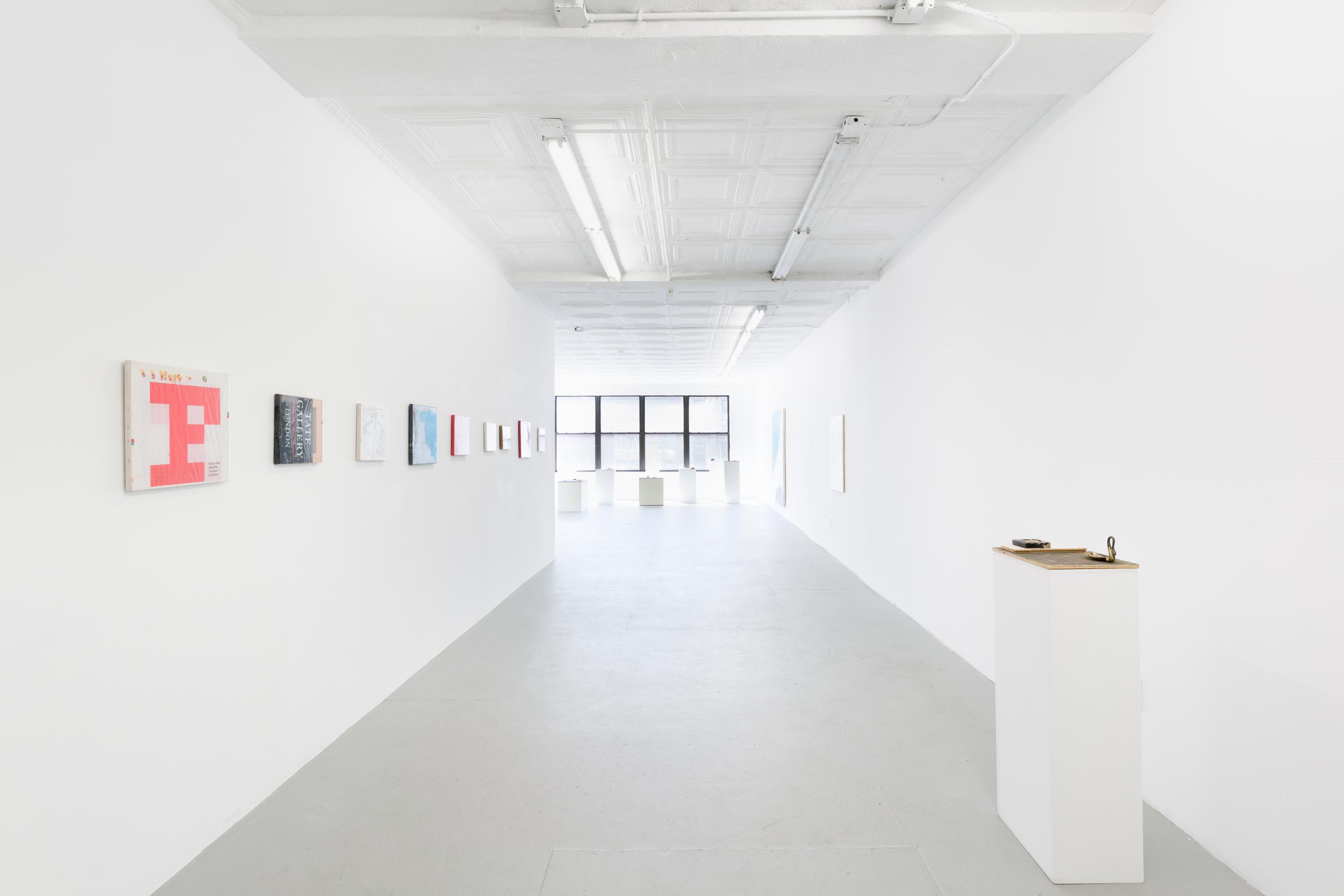
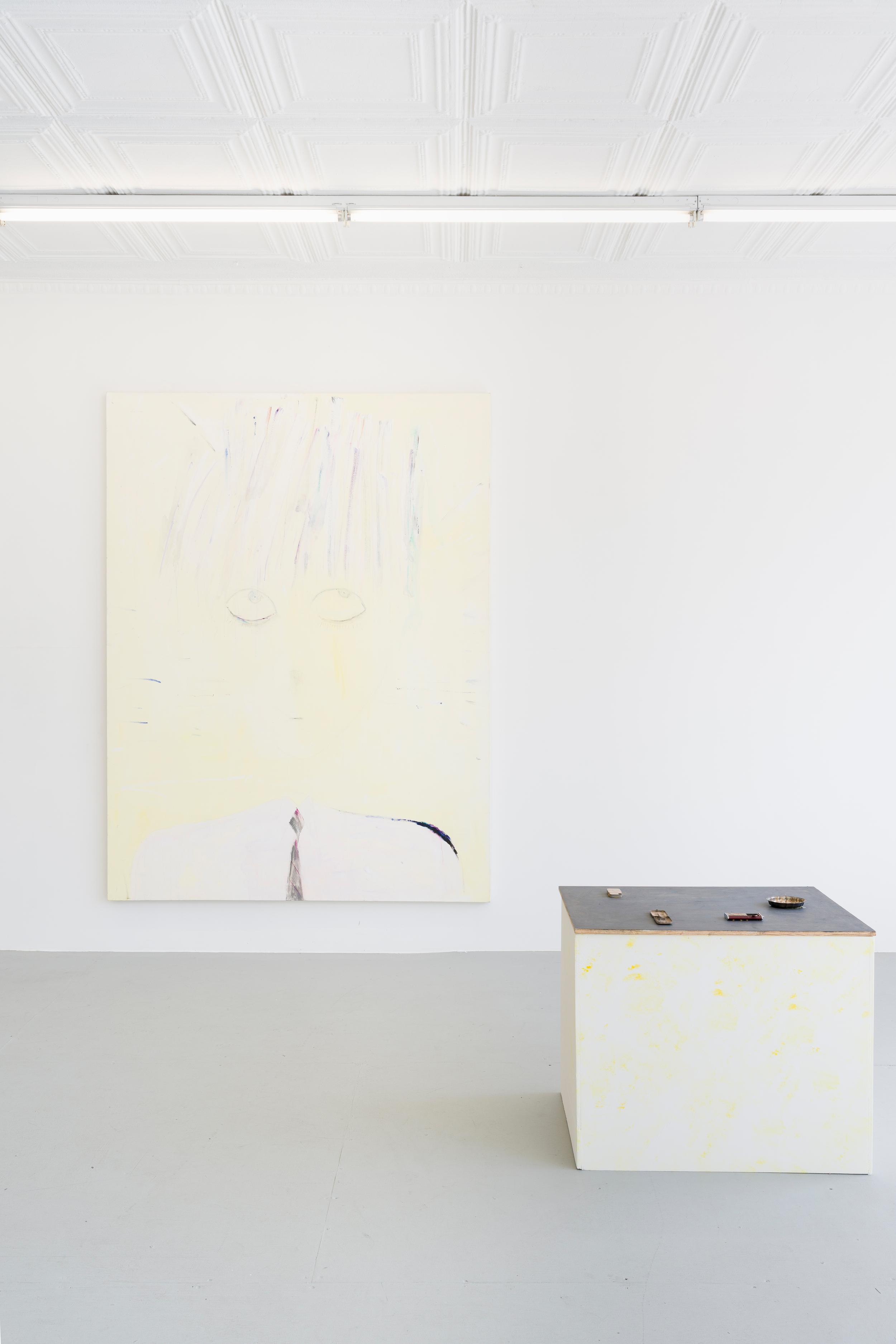
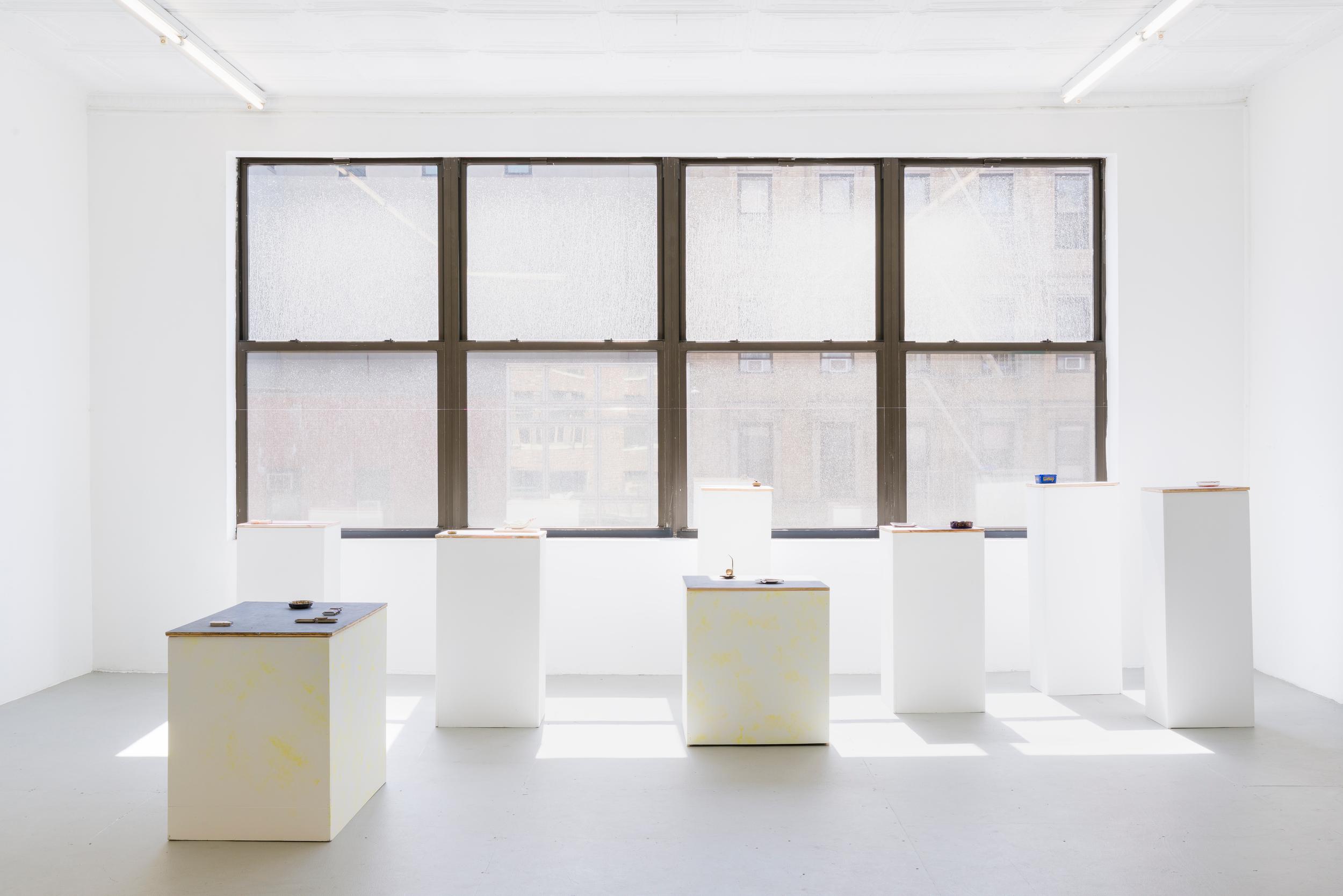
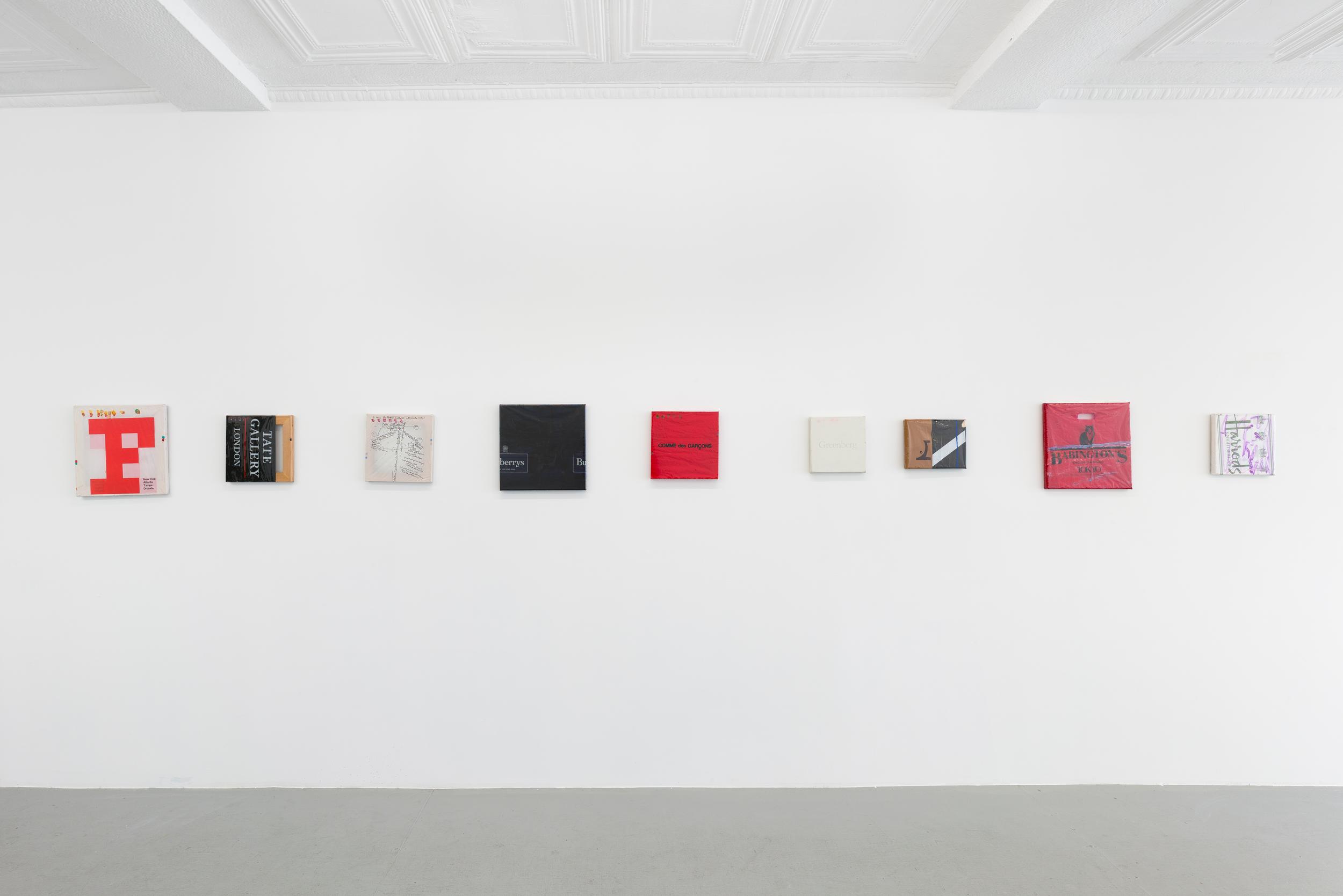
Tam Ochiai’s highly referential work at Ulrik brought to my mind this brief passage in Diderot’s definition from the encyclopedia, as his work’s concern would seem to primarily be with the moments of what one might consider the minor appearance of painting alongside such activities as travel, writing, smoking, browsing magazines, or shopping, etc. Overtly, we’re asked: is it still painting if it is held alongside models in Tokyo during a fashion show, if it appears on the jib of a sailboat, if one ashes on it while smoking a cigarette, if it is simply a piece of tablecloth after a dinner, or even the table itself?
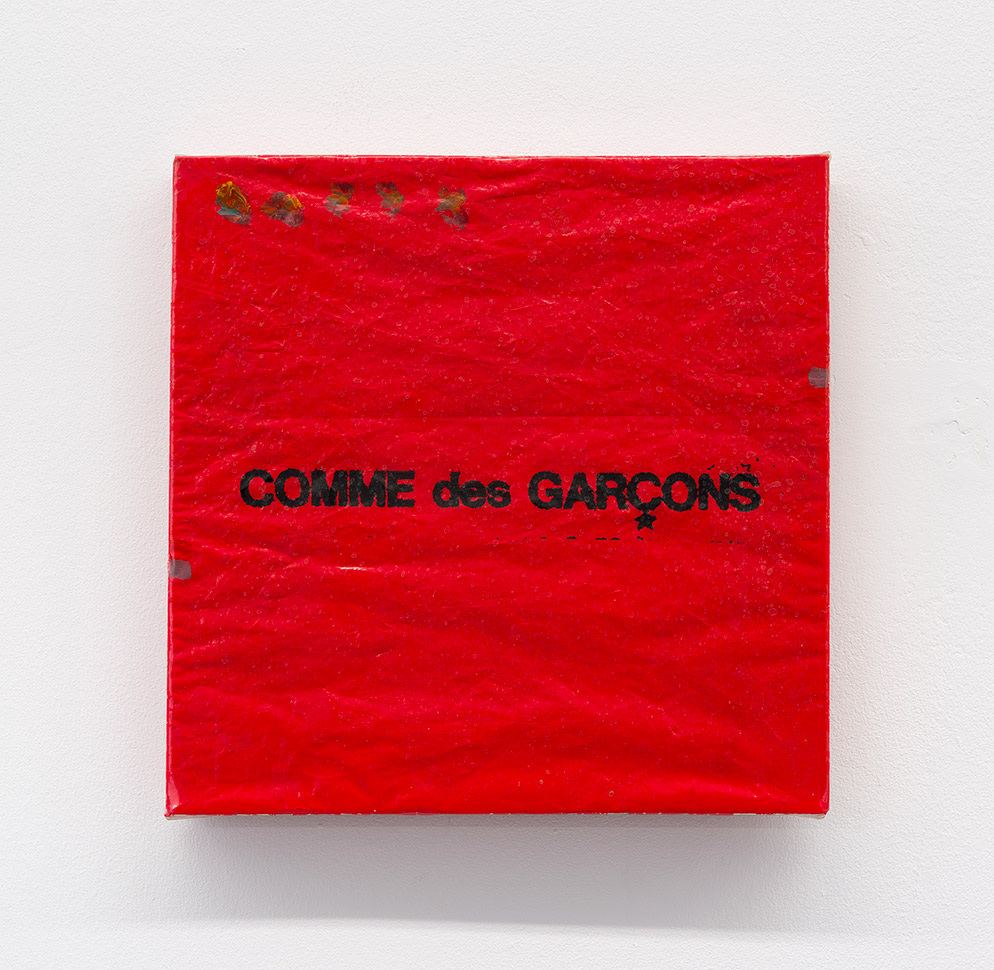
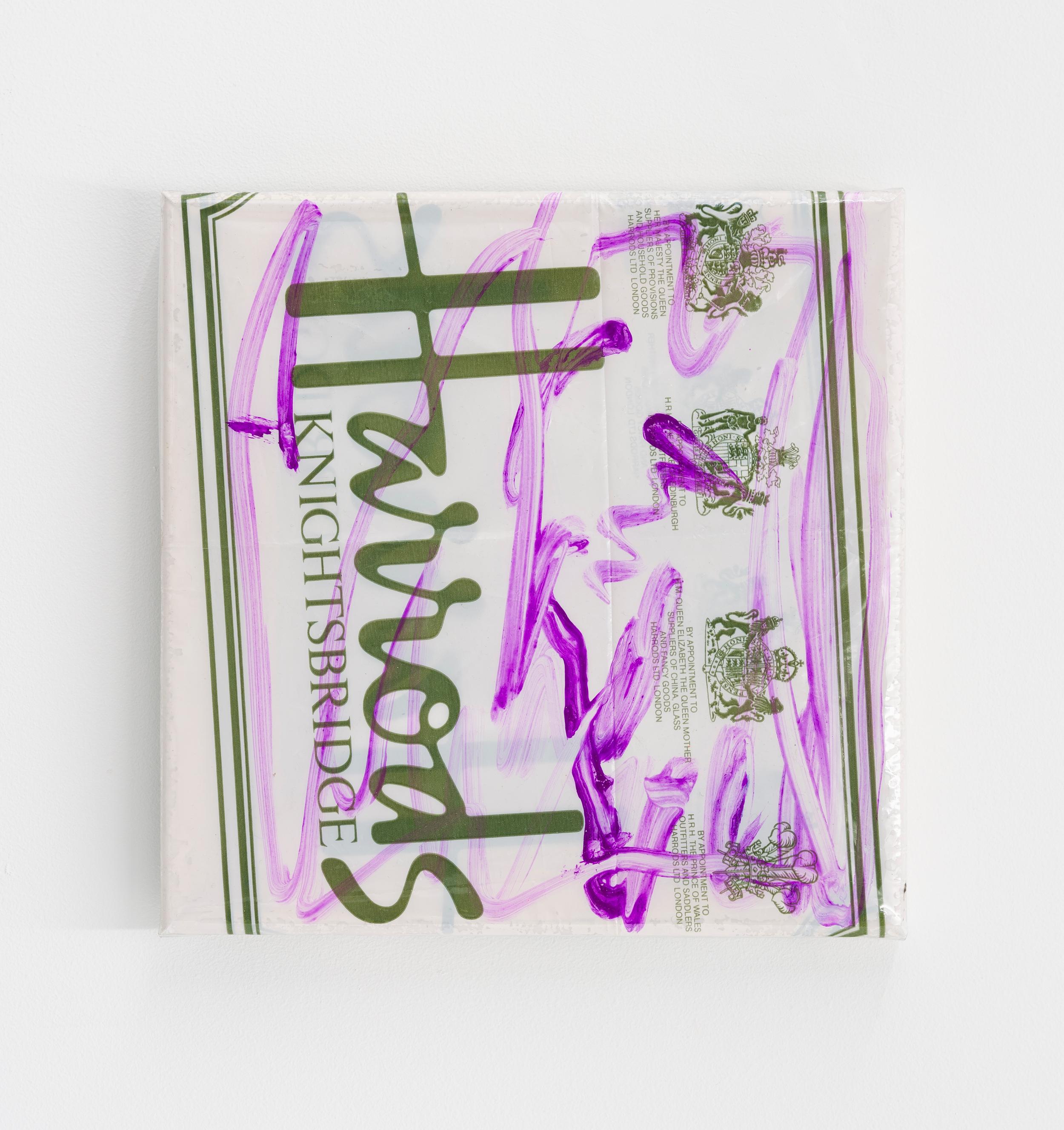
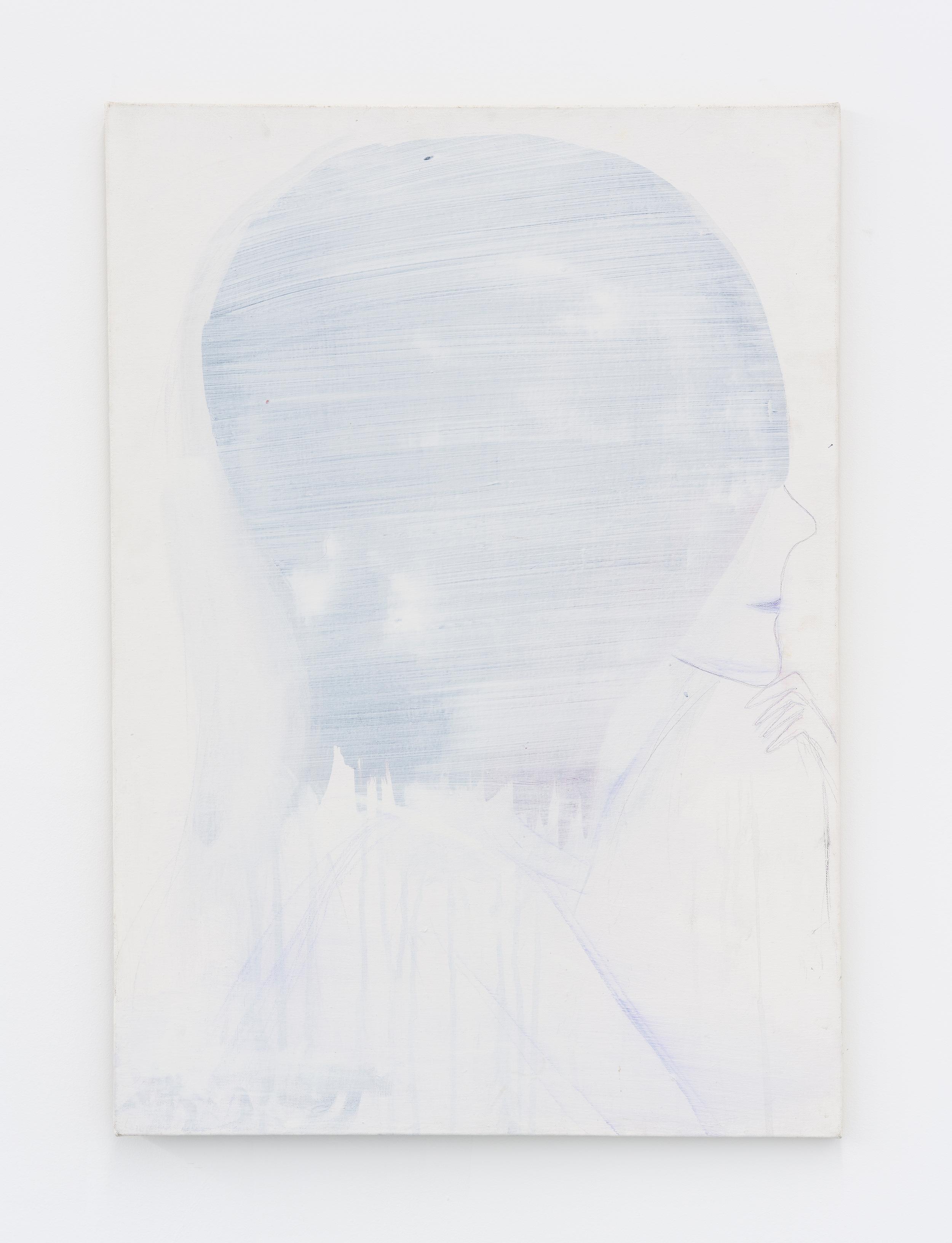
This has all been confirmed, of course, the question regarding painting’s larger dispersal, but it is also flipped on its head in the painting of Ochiai, with painting’s capital S Serious History re-inserted into his nominal practice via its Joan Mitchell gestural brushstroke in Vibrissae (cf. the prints she made with Kenneth Tyler in the 80s and 90s), its Duchampian gouache blotches on the many shopping bags (cf. Pharmacy), or the Seurat of his Evian water bottle painting, Evin, not to mention the overt Greenberg reference as well as the inclusion of works themselves in the form of a MoMA reproduction of a Beuys multiple from 1971 (during the despicable ‘political’ period) titled So kann die Parteiendiktatur überwunden werden (How the Dictatorship of the Parties Can Be Overcome). Following this logic, one is even tempted to see in the ashtray works a certain Kölnisches temperament, or a similarity to the writing as drawing as seen in his Travel series and elsewhere, to that found in John Cage’s score for Water Music.
Ochiai’s works are to be placed somewhere between the above mentioned Diderot moment of rendering a torn billboard, à la the affichistes, into an artwork, the everyday experience of aestheticizing something like the edges of a piece of cardboard from a container of soda on the sidewalk, and of a practitioner keenly aware of the discourse and its provisional relation to life. The practice of painting that travels alongside the artist while he does his shopping and browses magazines, collecting the bags and using them as surface, with that idea perhaps finally reaching some culmination in the Evian work, where movie titles, the naive drawing of juvenilia, and impressionist pointillism are combined in a way familiar to all. It is easy to imagine finding such an image, that seen in Evin, as if torn from a magazine in a lobby, the work of some sketch artist remembering vaguely “French” things, waiting for their call and remembering its New Wave, dotting some new markers recently acquired onto the page’s end, filling in some blanks with red and blue pen, and doodling a familiar feline character at a café.
—Ivan Gaytan
Tam Ochiai, born in Yokohama, Kanagawa in 1967, lives and works in New York. Ochiai studied at Wako University, Machida, Tokyo and completed an M.A at New York University in 1993. Exhibitions include Contemporary Art Gallery, Art Tower Mito, Ibaraki, Japan (1995); Museum of Contemporary Art, Tokyo, Japan (2002); Kunstverein Freiburg, Freiburg, Germany (2005); Contemporary Art Gallery, Art Tower Mito, Ibaraki, Japan (2006); WATARIUM Museum, Tokyo, Japan (2010); and Yokohama Triennale 2011: Yokohama Museum of Art; NYK Waterfront Warehouse, Kanagawa, Japan (2011); Maison Hermès Le Forum, Tokyo, Japan (2021); Toyota Municipal Museum of Art, Toyota, Japan (2023); Le Consortium, Dijon, France (1999). Ochiai’s works are held in the collections of The National Museum of Art, Osaka, The Japan Foundation, Museum of Contemporary Art Tokyo, and Deutsche Bank