Richard Hawkins at Kunsthalle Wien

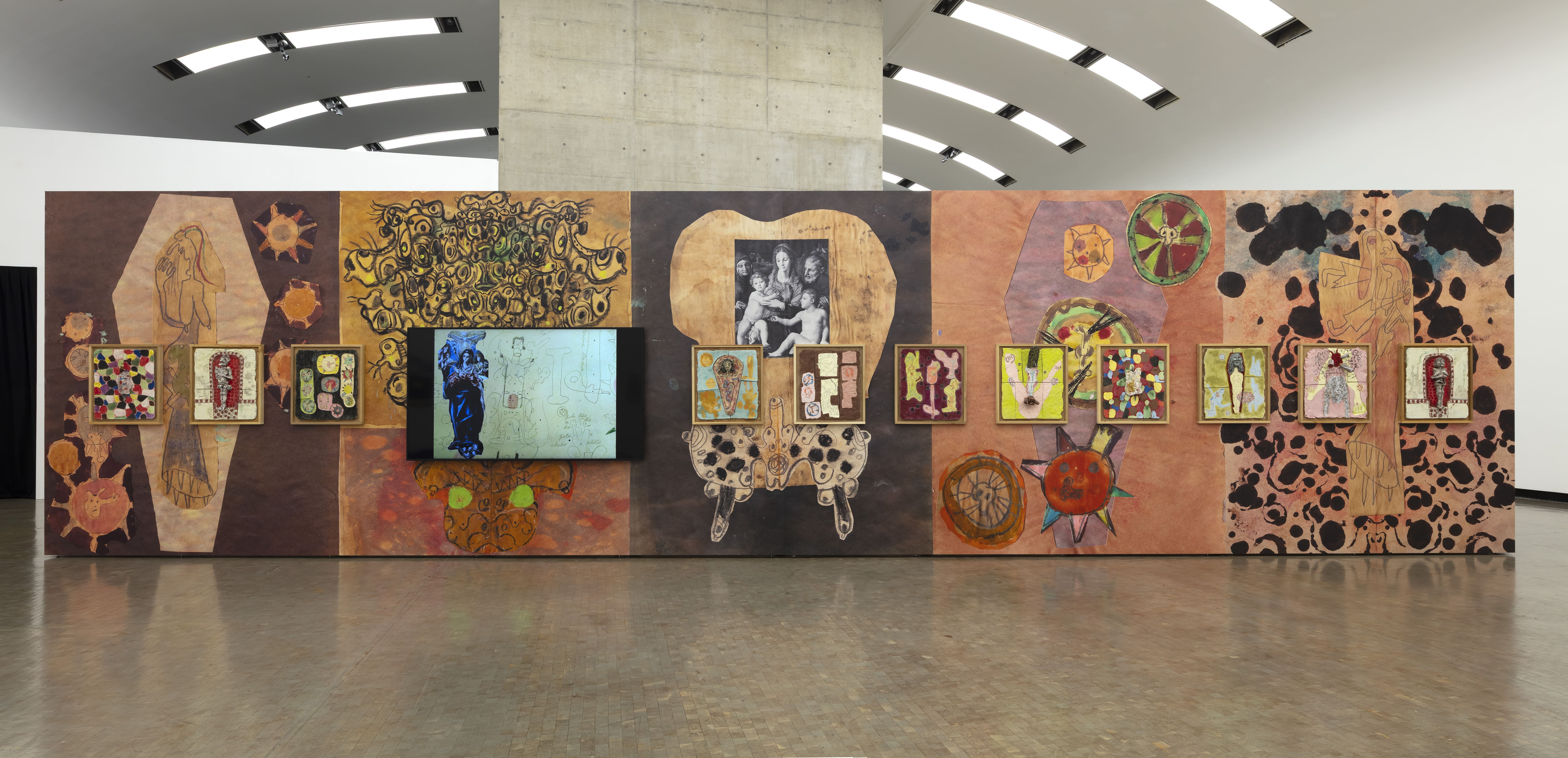
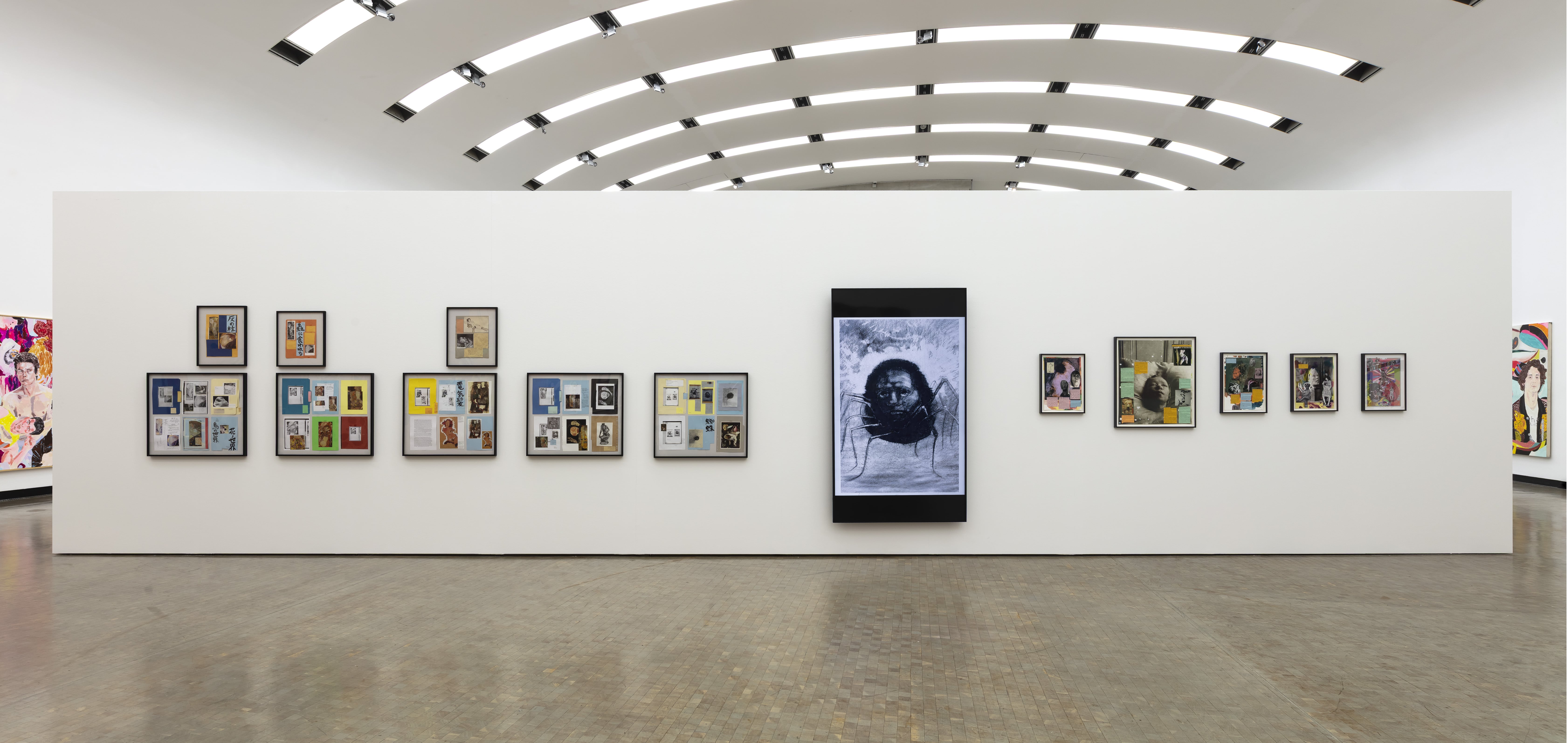
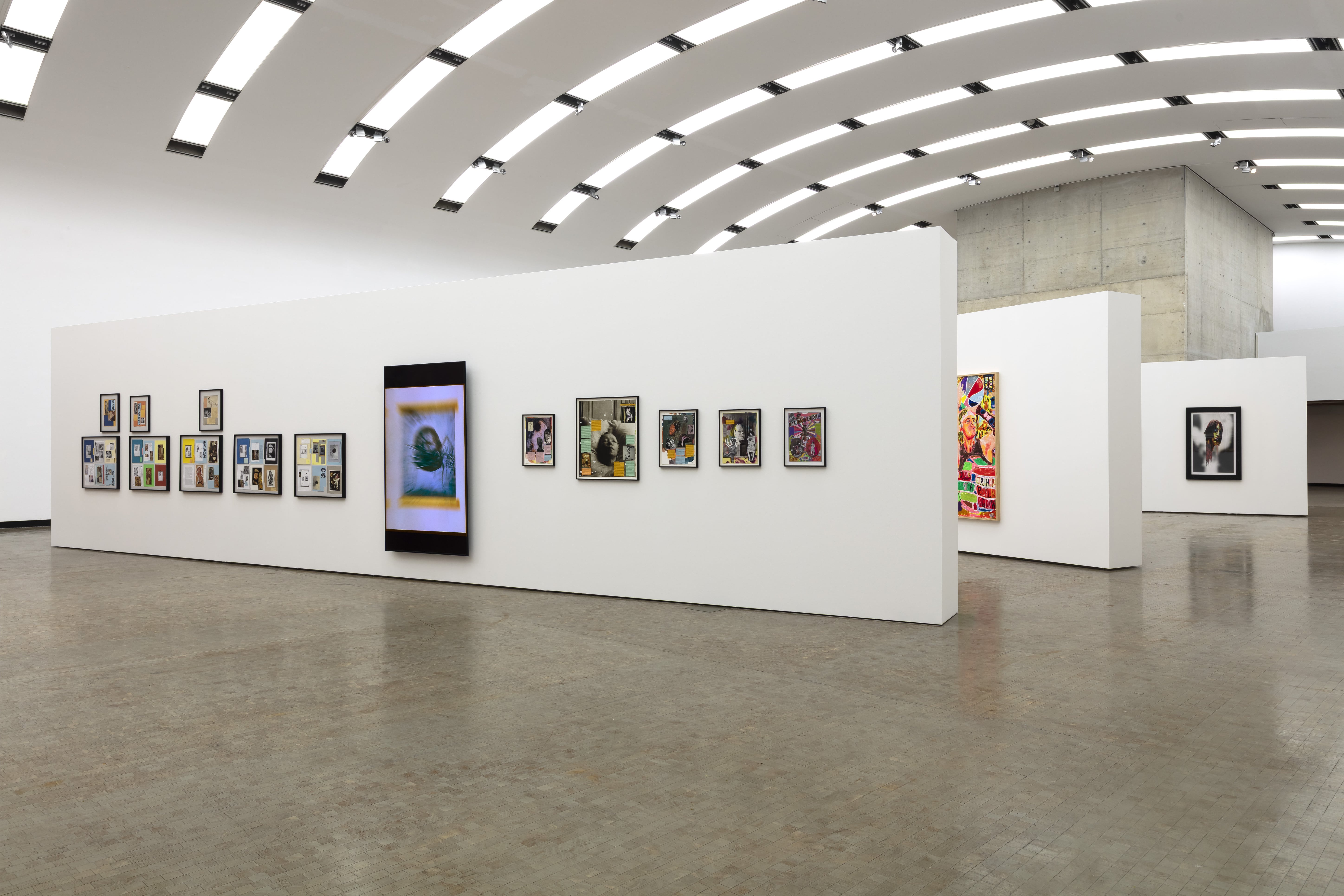
Kunsthalle Wien presents a major survey of works by Richard Hawkins (b. 1961, Mexia, Texas), bringing together over 100 paintings, collages, sculpture and videos from nine distinct bodies of work produced over the last three decades. It is the first institutional exhibition of Hawkins’s work in over a decade and the first in Austria.
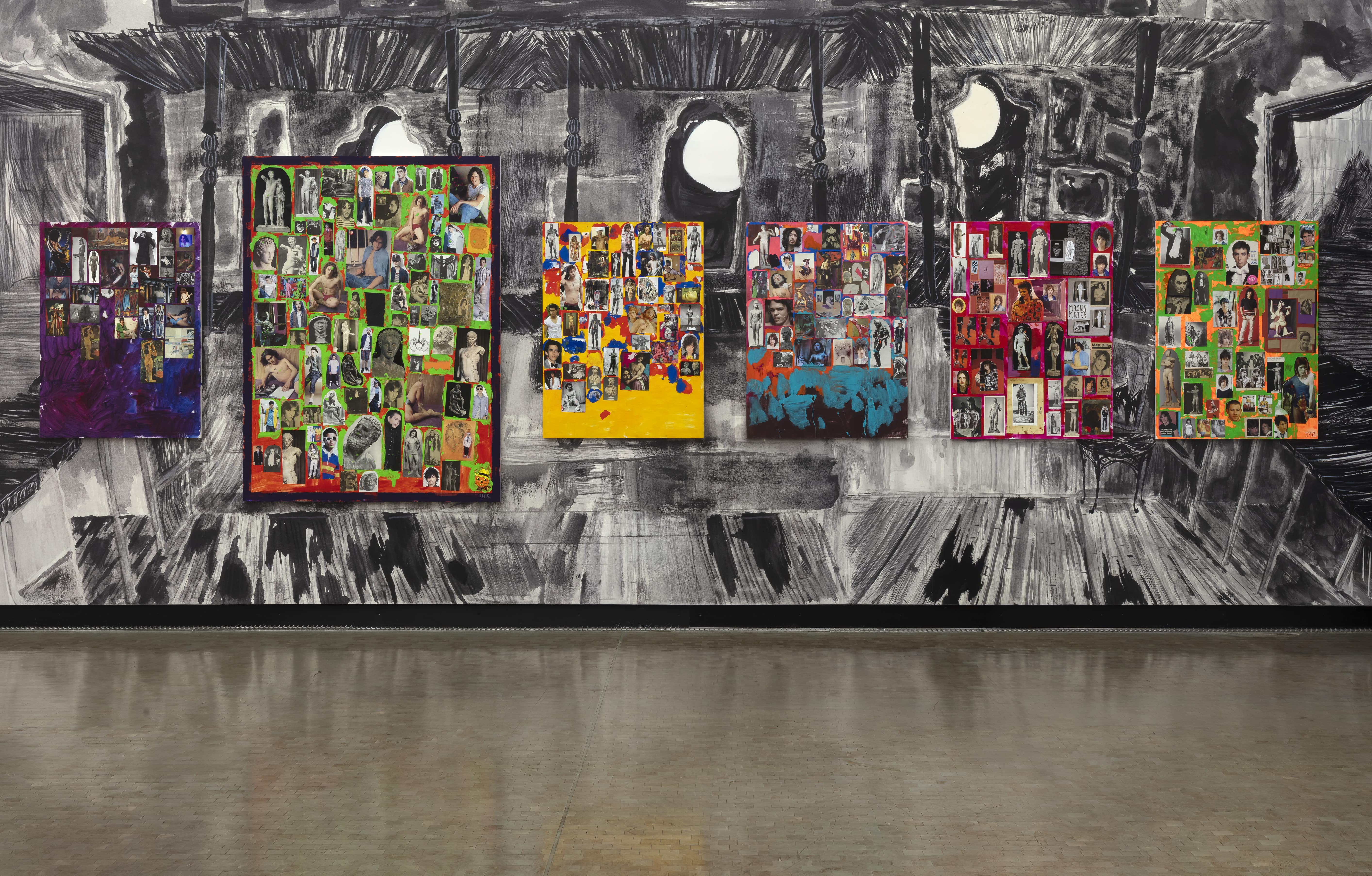
Since the early 1990s, Hawkins has developed a singular practice based upon the intense pleasure of looking and the dynamics of desire. Employing collage as a means to structure and develop his compositions, he has described his work as ‘promiscuously referential’, quoting from the histories of artistic representation in sculpture, painting, literature and the performing arts alongside popular culture.
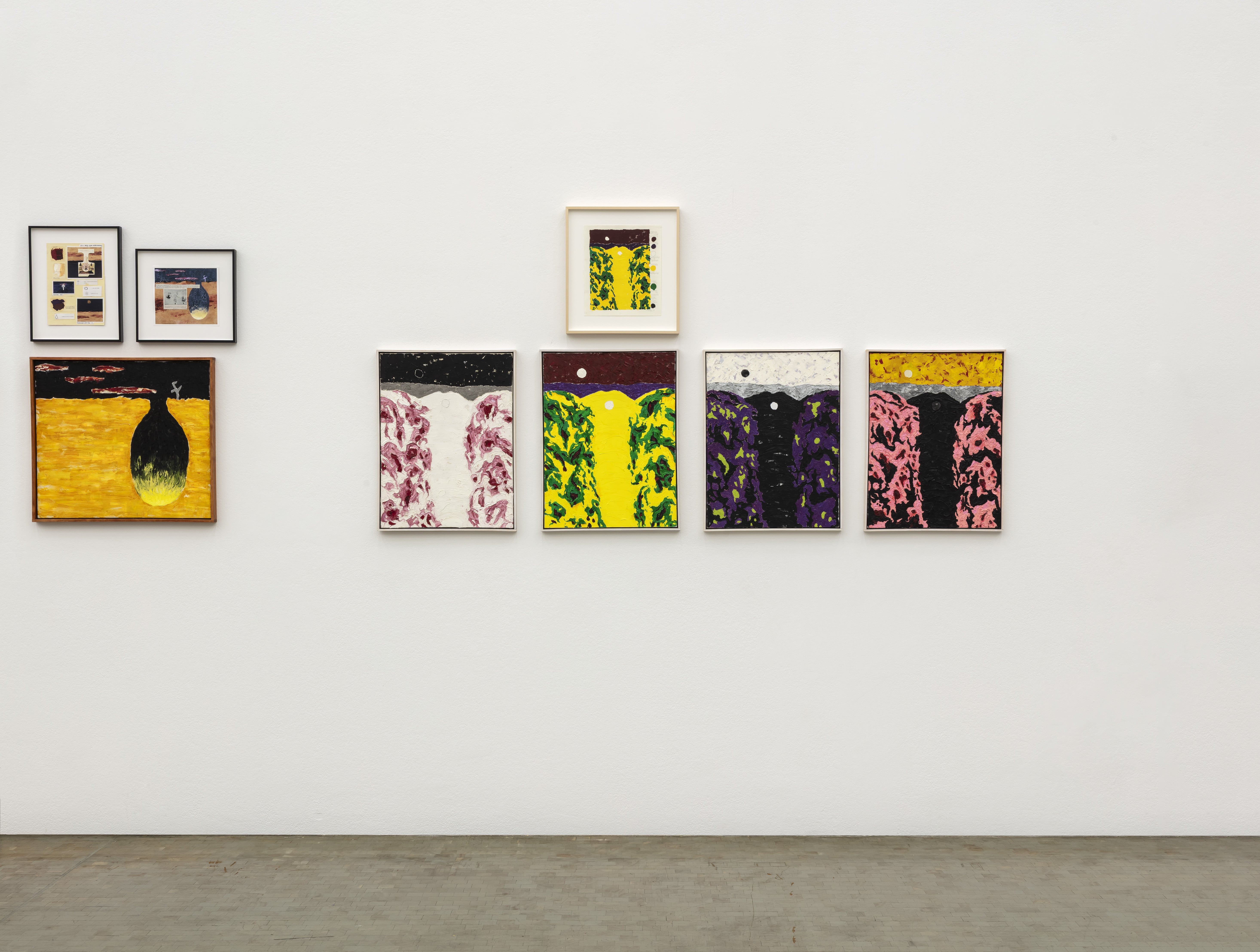
The exhibition manifests distinct lines of obsessive enquiry that has encompassed subjects as diverse as Greek and Roman statuary and the headshots of Japanese male hair models. Hawkins’s fanatical approach makes reference to the often private activity of collating ephemera into scrapbooks. More recently, his video montages allude to online subcultures and shared memes. The exhibition surveys a period of production that begins with meticulously annotated compositions of cut and pasted imagery and leads on through ceramic reliefs and acrylic paintings to videos edited using artificial intelligence to generate what have been described as ‘queer exorcisms’. This exhibition also sees Hawkins enlarge and cannibalise images of his own works to produce wallpapers that allow him to layer and contrast different chapters of research.
An early series of paintings reinterprets the biblical story of Salome, a subject of paintings by Caravaggio, Artemisia Gentileschi and Titian (among many others) as well as works for the stage by Oscar Wilde and Richard Strauss (whose opera was initially banned in Vienna). Hawkins retells it as a nightmarish fable of ‘homo-dystopia’ set outside a funhouse-cum-bordello where severed heads haunt male prostitutes touting for business. Several other chapters of the exhibition draw upon Hawkins’s studies of the lives and obsessions of different artists including the Japanese choreographer Tatsumi Hijikata, the French writer Antonin Artaud and the American painter Forrest Bess.
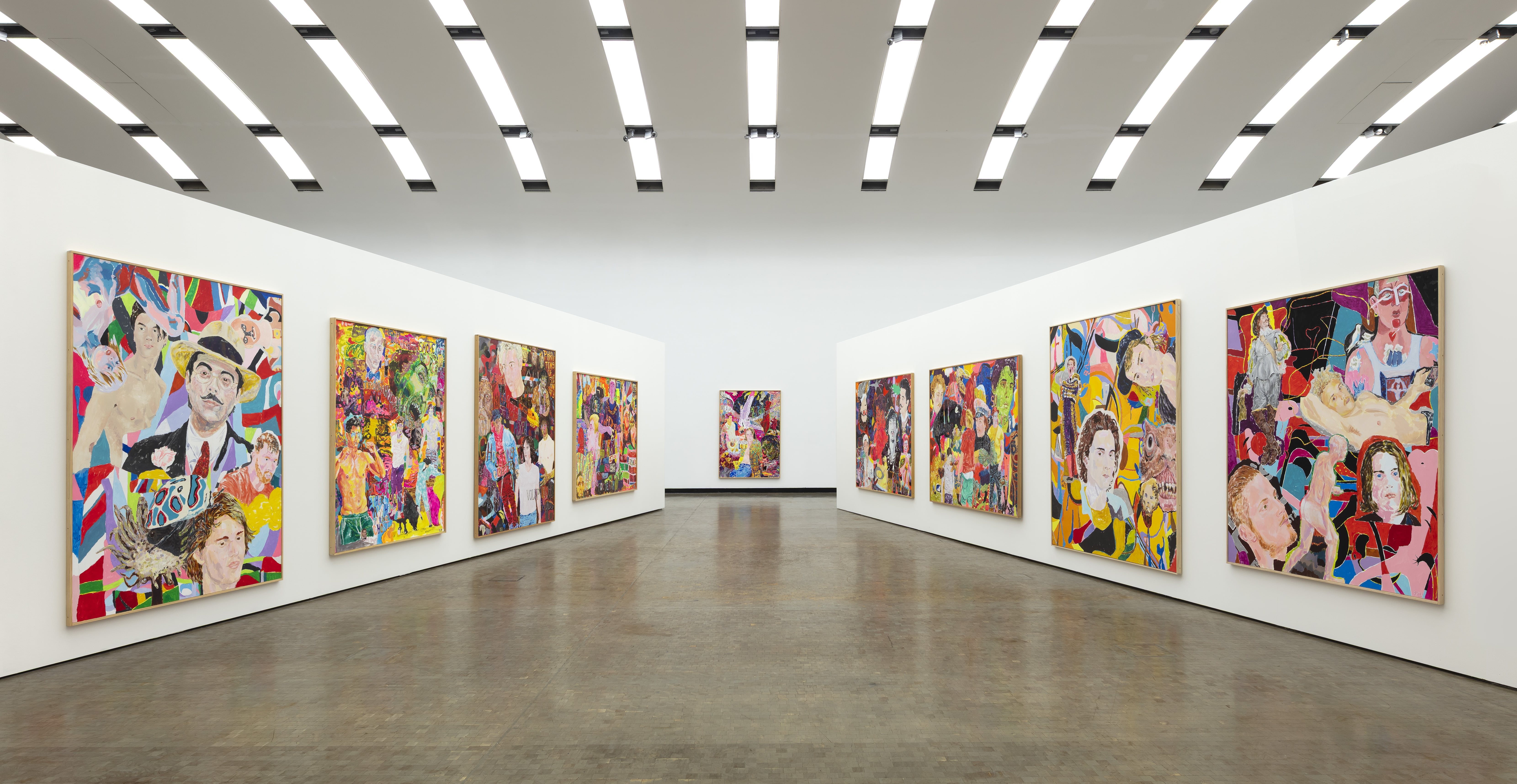
A more recent series of work renders Hollywood celebrities in dense, colourful painted compositions. Hawkins combines candid paparazzi shots with portraits of actors in period costume, using an ostentatious collar or a gratuitous display of flesh to anchor their disembodied heads. Several demonstrate a close study of the late work of the French painter Pierre Bonnard, shifting between portraiture and still life compositions of tables laid with an abundance of fruit. Invoking Bonnard’s application of colour, Hawkins recasts a company of young men in fecund landscapes replete with clouds of blossom, cats and butterflies. Richard Hawkins: Potentialities is organised in cooperation with Kestner Gesellschaft, Hannover where it will be presented from late April 2026.
––
Richard Hawkins (b. 1961, Mexia, Texas) has held solo exhibitions at Tate Liverpool (2014); Le Consortium, Dijon (2013); The Art Institute of Chicago; Hammer Museum, Los Angeles (both 2010); De Appel Arts Centre, Amsterdam (2007) and Kunstverein Heilbronn (2003). His work has also been presented at Artists Space, New York (2023); Bonner Kunstverein (2019); Kunstinstituut Melly, Rotterdam (2014) and the 2012 Whitney Biennial, New York. Hawkins’s work is held in numerous public collections including the Art Institute of Chicago; Museum of Contemporary Art and the Hammer Museum, Los Angeles; The Museum of Modern Art and the Whitney Museum of American Art, New York; the Walker Art Center, Minneapolis; Tate, London and the Stedelijk Museum, Amsterdam. In 2024, his work was the inspiration for the designer J.W. Anderson’s Fall/Winter menswear collection for Loewe. Hawkins lives and works in Los Angeles where he is a Professor of Painting & Drawing at the ArtCenter College of Design, Pasadena.