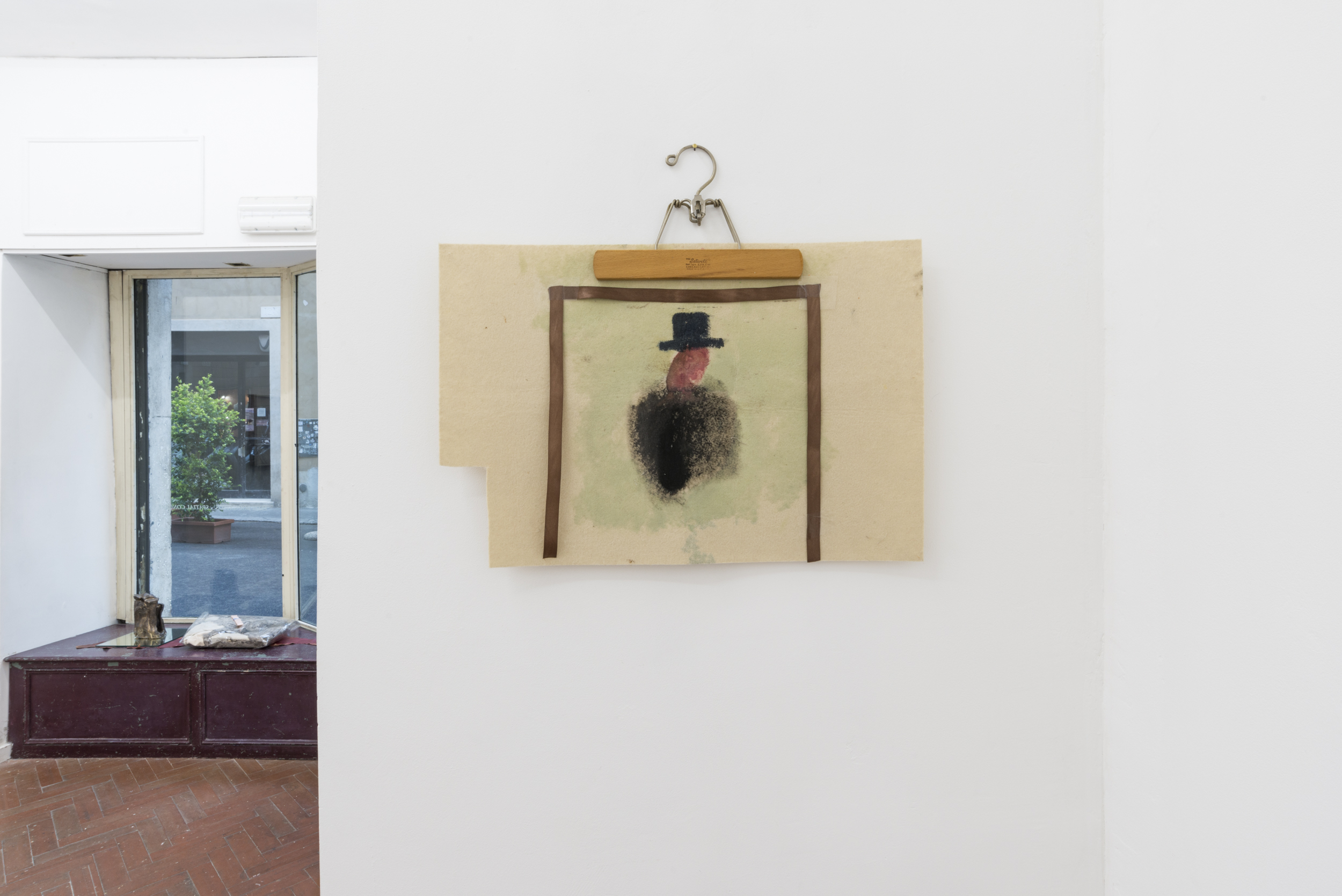
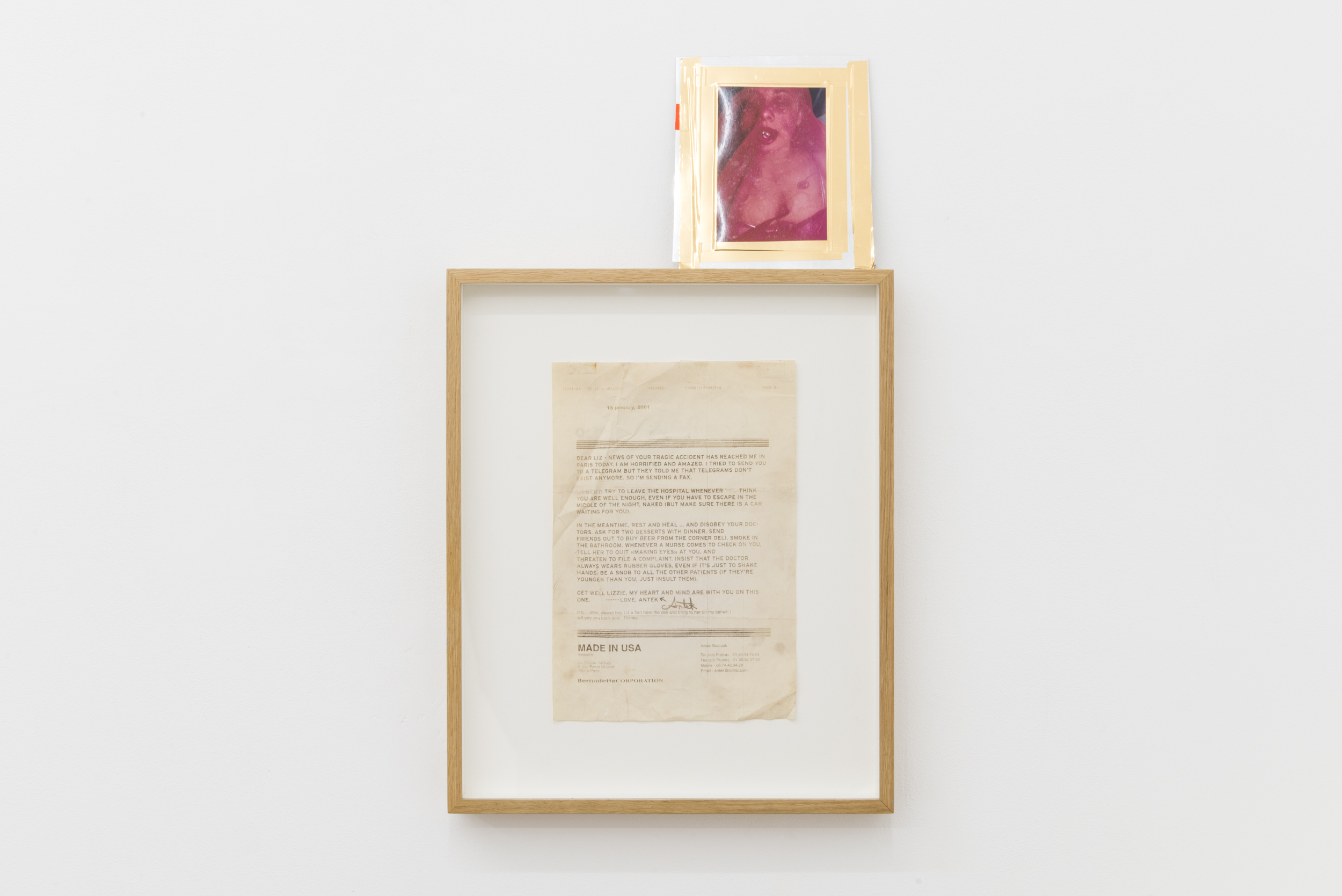
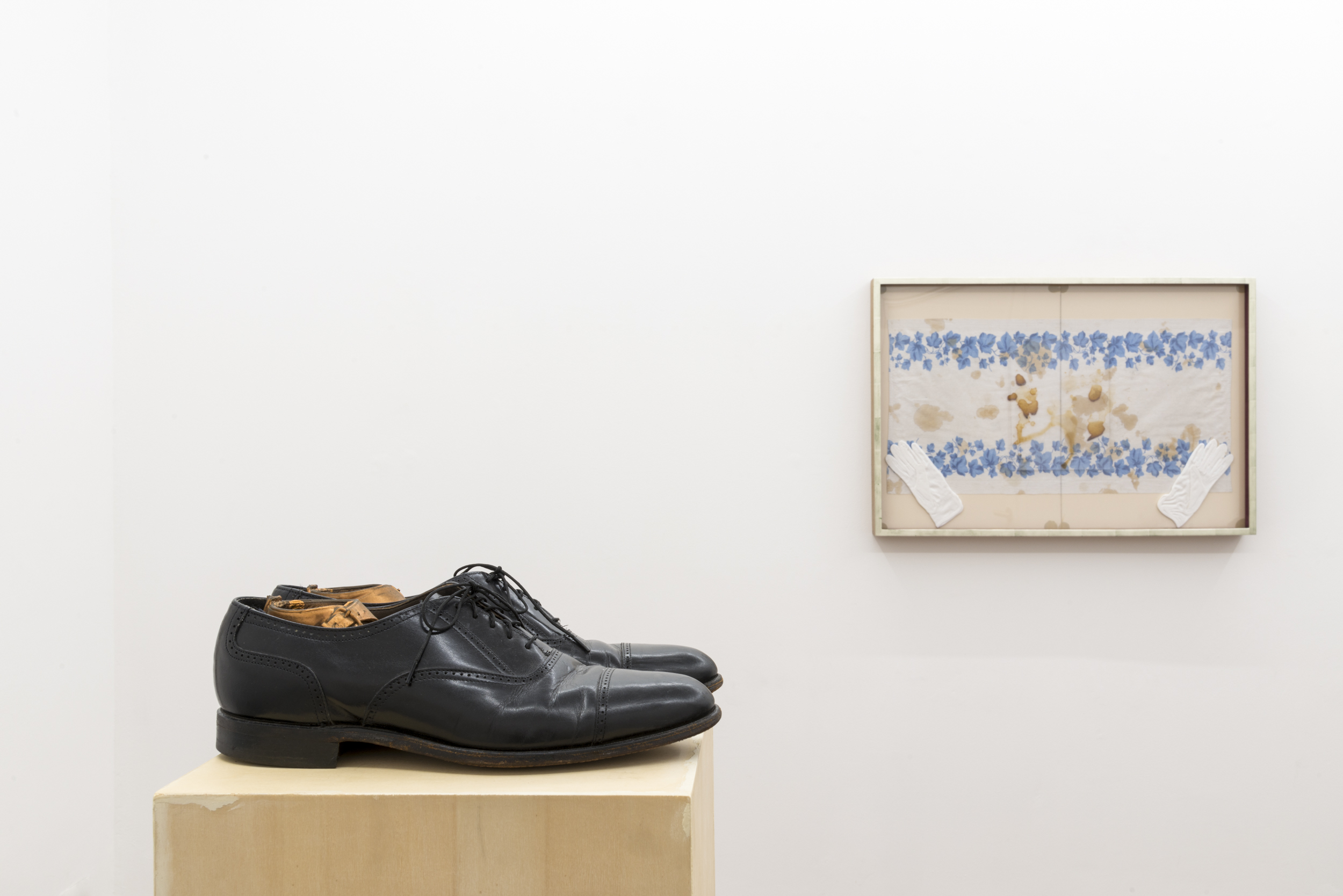
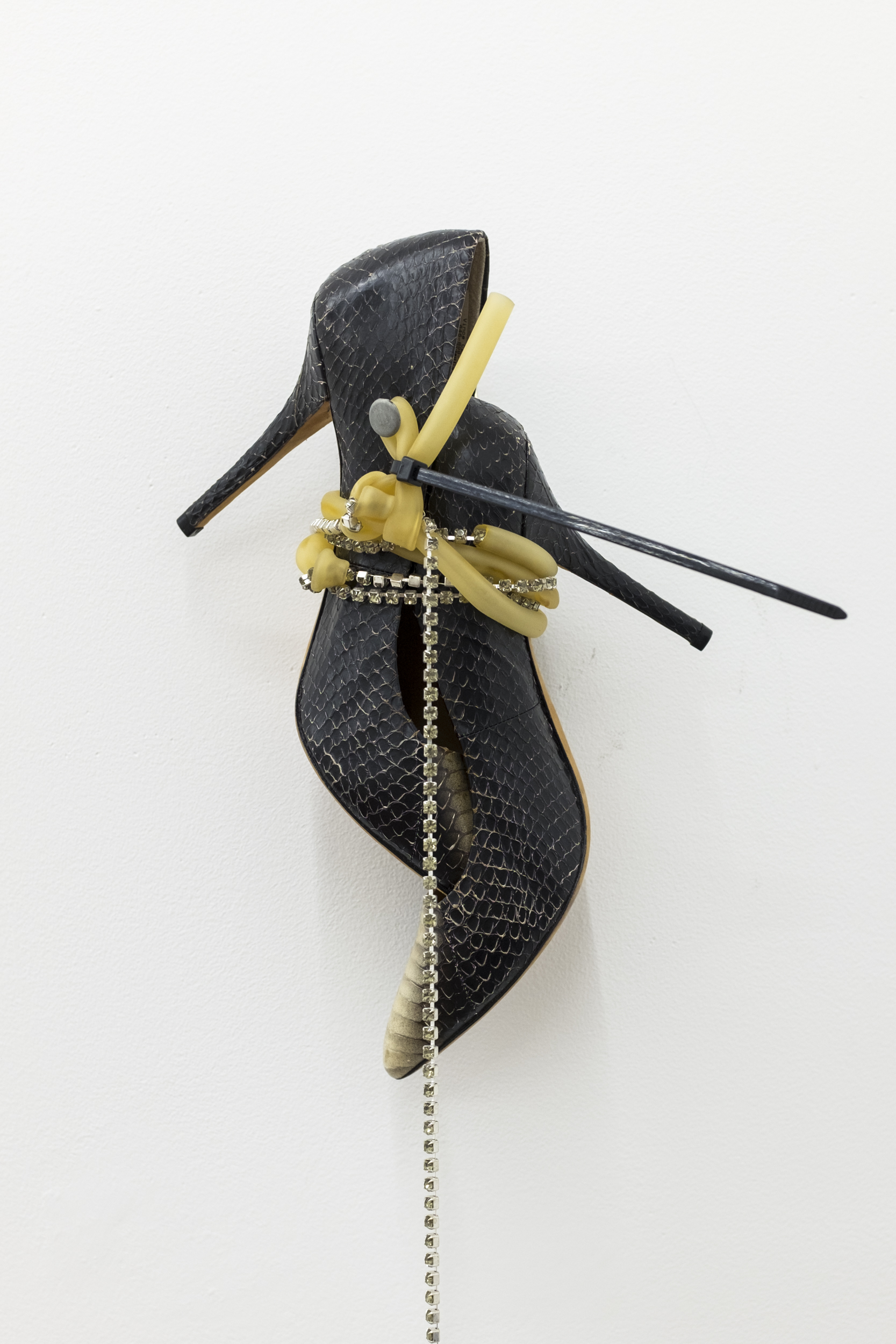
Lizzi Bougatsos at ERMES ERMES

Astronomical Phenomena
The moon’s surface is actually pretty dark, but it looks bright to us because it sits in full sunlight. The sun illuminates it and it reflects that light down to us. Before the invention of complex tools like the bow and arrow, humans relied heavily on nocturnal ambush hunting, aided by moonlight.
Analysis of Upper Paleolithic cave art—such as the famous paintings in Lascaux Cave —shows sequences of dots, lines, and “Y” symbols alongside animal depictions. Scientists believe these markings represent the earliest known lunar calendars, used by Ice Age hunter-gatherers to track the exact times of animal mating, migration, and birthing cycles. Knowing when a prey would migrate or when it was vulnerable during reproductive cycles provided a major advantage.
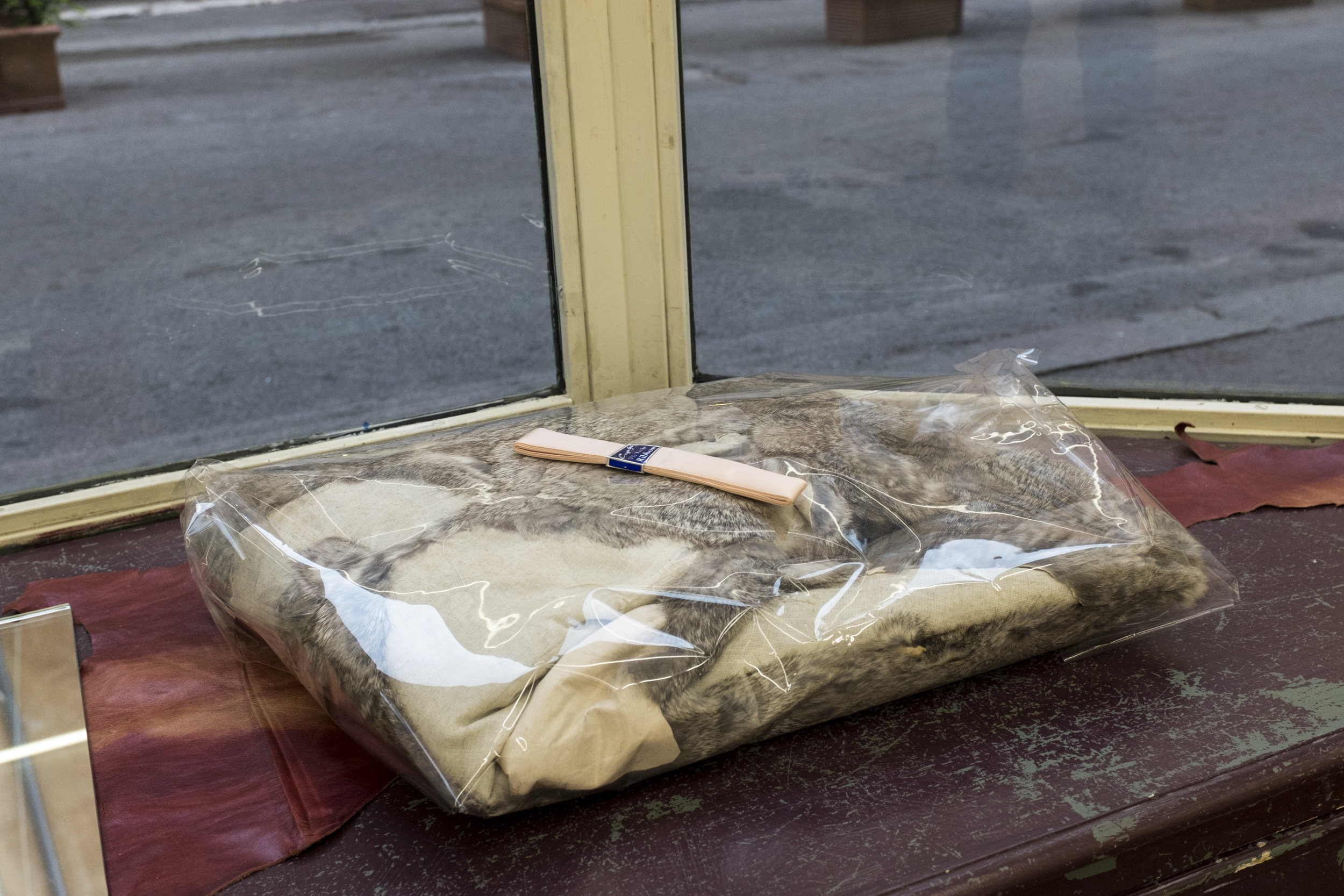
Ice Age hunter-gatherers were modern human populations during Earth’s last major glacial period, when thick glaciers—sometimes several miles deep—covered much of the Earth’s surface. These early humans invented bone needles and awls to pierce thick hides, allowing them to sew form-fitting, multi-layered garments. They utilized specific furs for different purposes—using heavy mammoth or bear hides for outer insulation and softer fox or wolf fur for inner linings to trap body heat. Researchers say that delicate needles made from smaller animal bones were important for survival because they helped humans sew tailored garments with smaller seams that insulated the body from the cold. As garments covered the body more completely, personal adornment shifted from direct body modification (like painting or scarring) to sewing beads, shells, and ivory ornaments directly onto clothing.
When the glaciers began to retreat, they exposed dark land and open ocean water underneath. Instead of reflecting sunlight, these dark surfaces absorbed the heat, rapidly warming the surrounding air.
The end of the Ice Age marked the transition into a remarkably stable, warm period that continues to the present day.
by Bernadette Van-Huy
–
Lizzi Bougatsos (b.1974, Queens) lives and works in New York City. She is an internationally recognized visual artist and experimental musician. The spirit of Bougatsos’ visual art practice makes visible the physical material of objects as well as their immaterial spiritual resonance. Often working with family heirlooms and found objects, much of the work comes from her own body. Mediums include clay, ceramics, wood, paper, latex, resin, and cloth, materials that are rooted in an archival practice, preserving and working with memory.
Her work has been exhibited in institutions and galleries including MACRO Roma, Astrup Fearnley Museet for Moderne Kunst - Oslo, Norway, Performance Space New York, the São Paulo Biennial, Hauser & Wirth, American Fine Arts Co., Museum of Fine Art St. Petersburg, Air de Paris, and The Whitney Biennial (2008), among others. Bougatsos collaborated with artists in two-person shows such as Lonnie Holley, Kim Gordon, Rob Pruitt, and Rita Ackermann. Her work is included in the permanent collections of the Brant Foundation, Greenwich, CT, the Astrup Fearnley Museet for Moderne Kunst, Oslo, Norway, the Dikeou Collection, Denver, CO, and the Museum of Modern Art, New York, NY.
Her most notable solo show Idolize the Burn, an Ode to Performance, TRAMPS (2023) received international acclaim in ArtForum, the New York Times, Frieze, Vogue, and Marfa Journal, among others. Her following solo show Stage Exit, Galerie Molitor, Berlin (2024) also received praise in ArtForum and Mousse Magazine. Currently she has a duo solo show at Amity in New York with Scott Covert.
She is known for her unique ethereal, often referenced as shamanistic vocal style, equated to an act of healing or evoking the earth’s elements. Selected performances include “Concert for Yoko Ono, Washington and the World” at the Hirshhorn Museum and Sculpture Garden, “I am here, Where are you: On Vocal Performance” at the Bergen Kunsthall, and an adaptation of John Cage’s 4’33 in conjunction with “John Cage: There Will Never Be Silence” at the Museum of Modern Art in 2014. She also performed a live score at the Museum of Art and Design in New York City in conjunction with the exhibition “Atmosphere for Enjoyment: Harry Bertoia’s Environment of Sound”, and, in 2024 for Mike Kelley’s exhibition Ghost and Spirit at the Bourse des Commerce. Recent I.U.D. performances with Sadie Laska include Gropius Bau, Berlin in 2024 and in 2025 for Kim Gordon at Pioneer Works, Brooklyn.
Bougatsos, the frontwoman of her legendary band Gang Gang Dance, spanning over two decades now, set the stage and provided a platform for generations of genre-bending musicians to come through the radical curation of their live concerts. The band led the 8/8/08 BOADRUM, a collaboration with the legendary band BOREDOMS where she sang with 88 drummers.