In Conversation with Simon Shim-Sutcliffe
Words by
Dylan Adamson

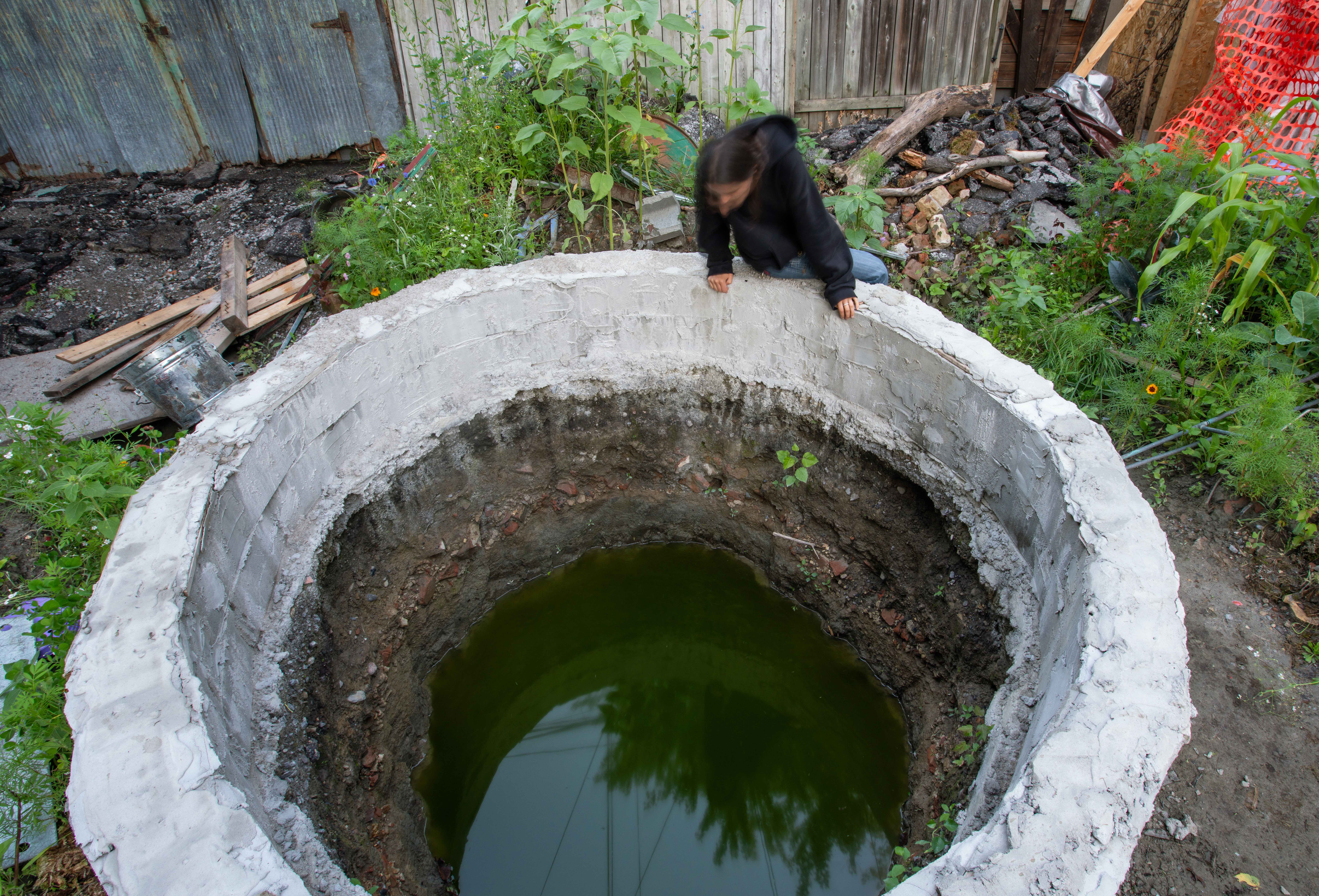
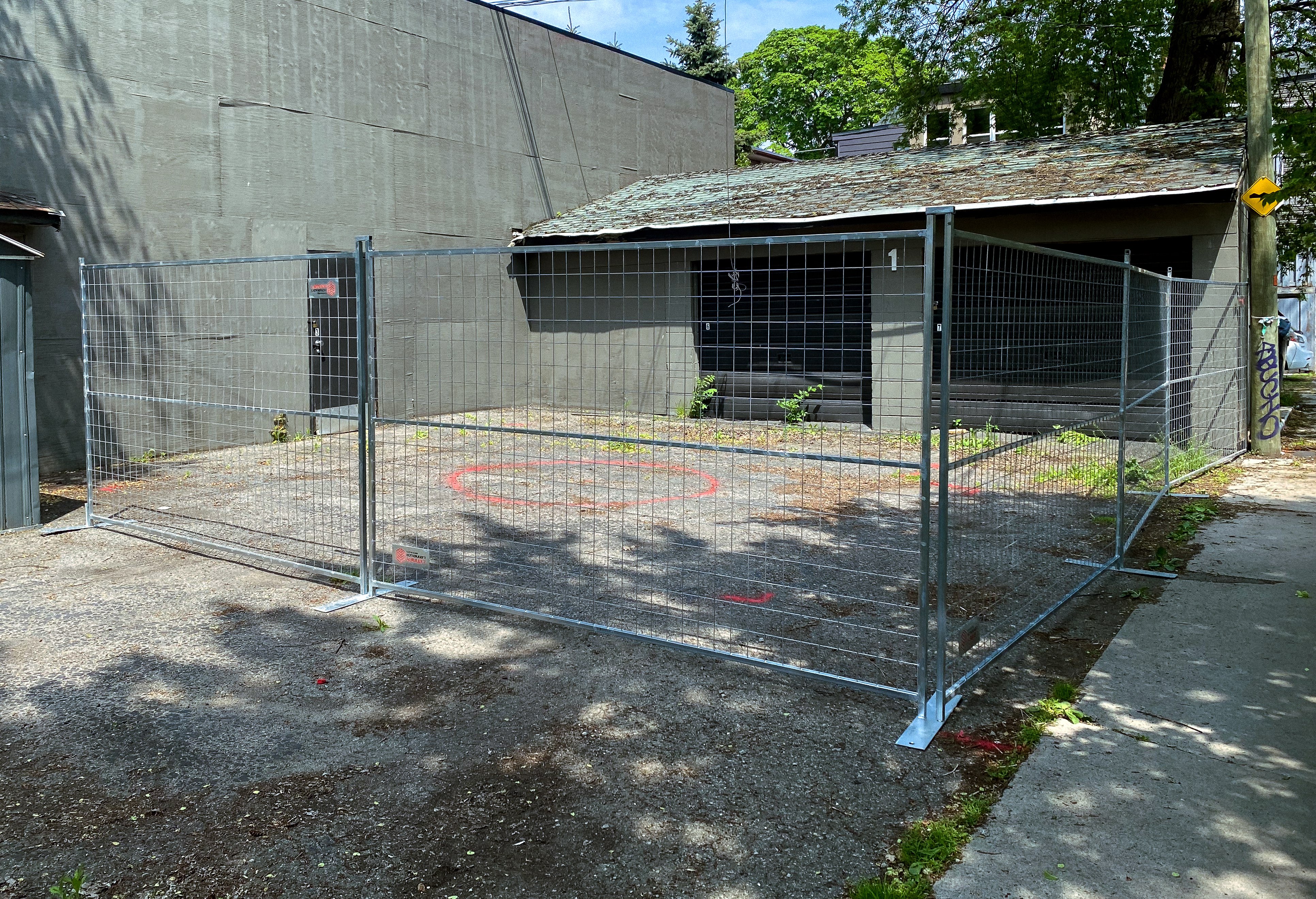
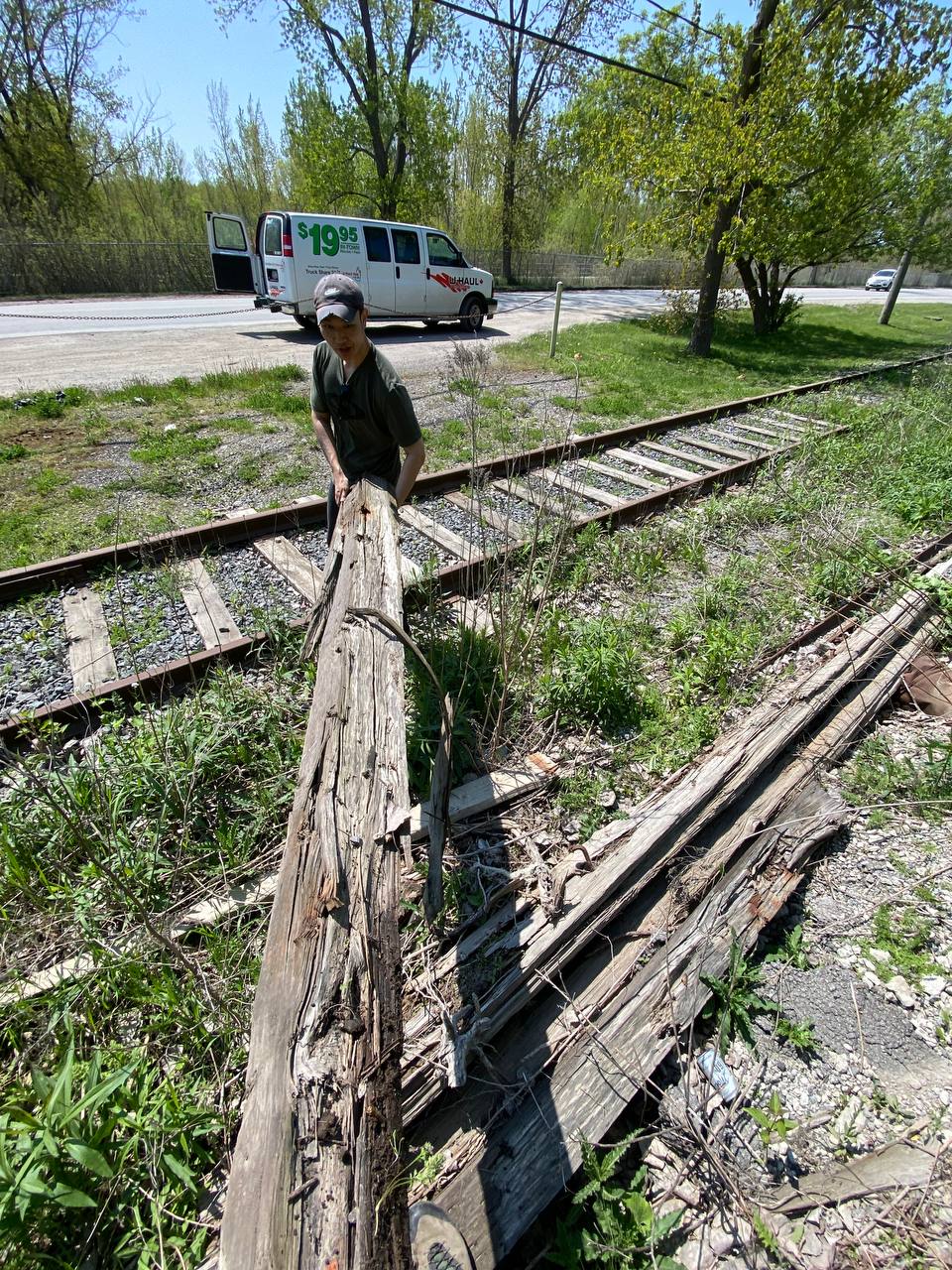
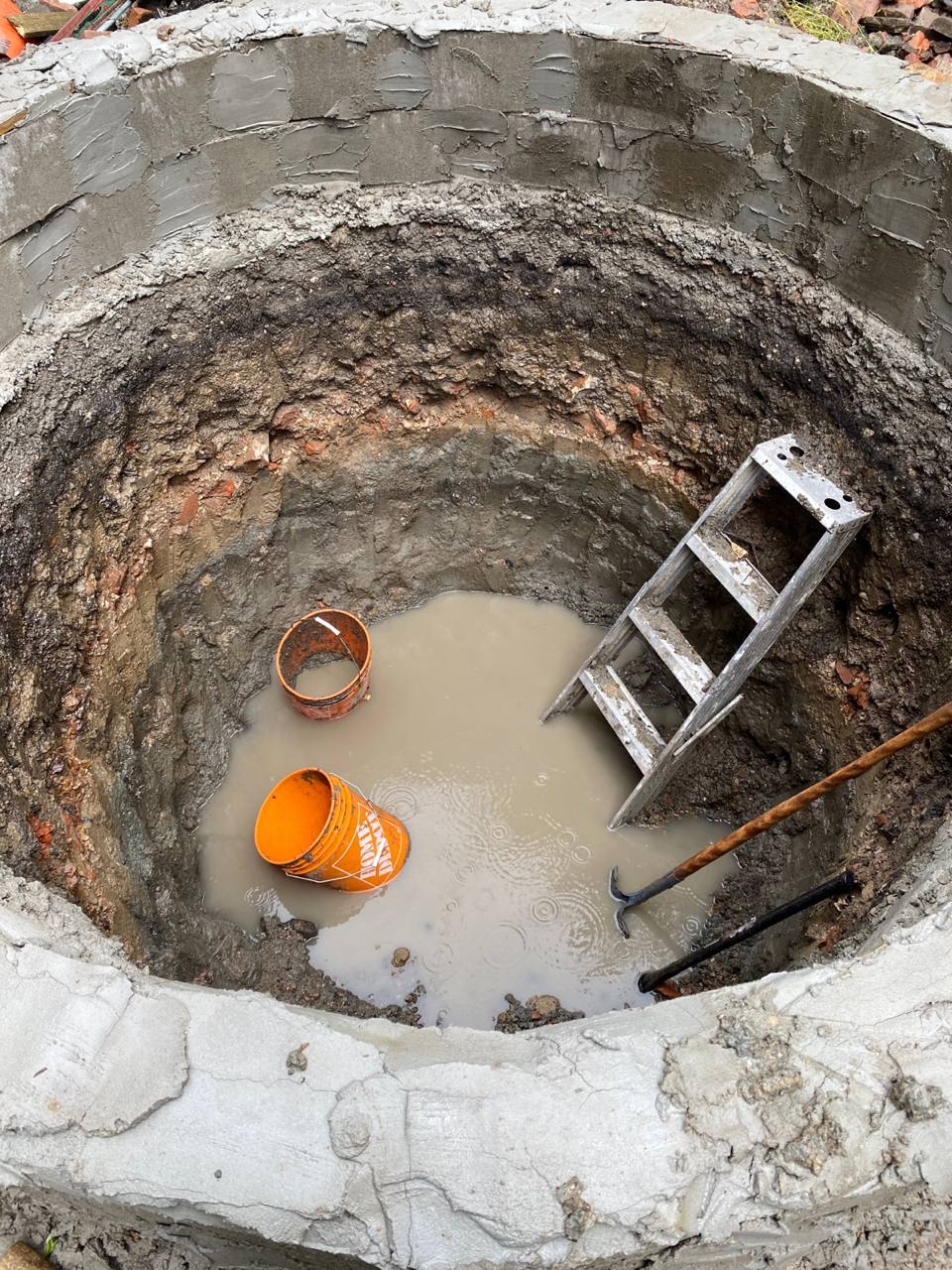
After my trip to Panama, I went back to Toronto, where my brother was renovating his house. He had kind of stopped, but he had this parking lot in the back of the house that they were planning to eventually demolish. They still haven’t. Before I made Zone, I had never made a film before, so I was initially just interested in the idea of digging out a sculpture. I wanted to dig out a well as a way of constructing a landscape. The area surrounding the well is all brought up from inside the well, creating a sort of positive-negative relationship. I also brought in all this stuff that I found on the lakeshore and threw in the back of a U-Haul truck. I wanted to use the well site as a lens to think about artificial environments, and in the film I think it does work as a lenticular device, but also as a character.
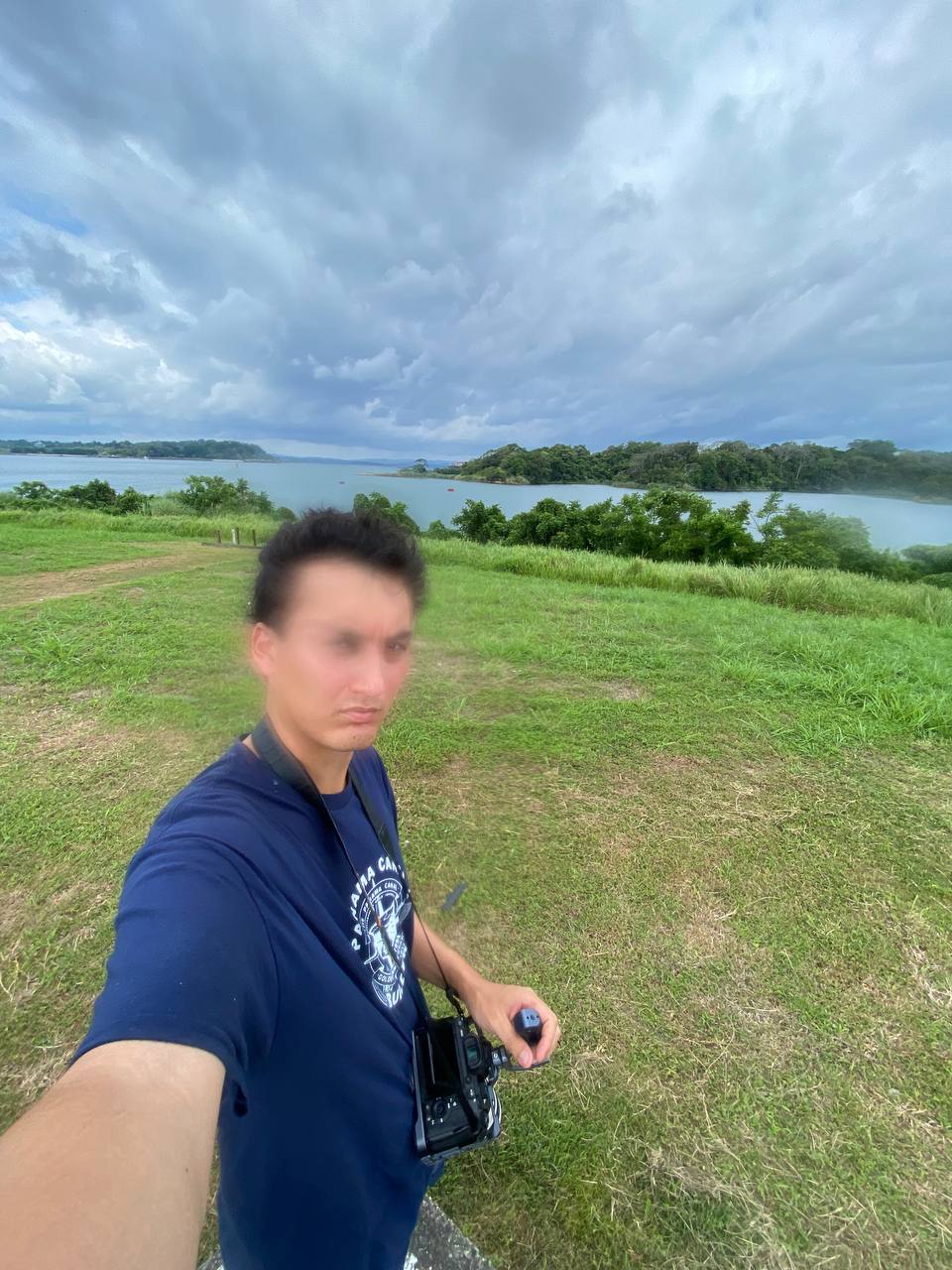
I was originally researching the impressionist painter, Camille Pissarro. I was interested in the fact that he grew up in the Dutch Caribbean before becoming the father of French Impressionism. I found this series of drawings that he made of wells and aqueducts and canals in the Caribbean in the 1820s. And then I was also looking at paintings by Thomas Cole and the Hudson River School, in particular The Titan’s Goblet (1833), among other hypothetical paintings of volcanoes that merge with goblets, making use of these massive shifts in scale. When I was in Panama, I was shocked at the scalelessness of the canal infrastructure. It was so much more than any human could conceive of; you could really have no sense of how big anything was. I wanted to mimic that structure at a more human scale.
Another interesting thing about Lake Gatun is that it’s fully flooded. It was constructed as this artificial lake in the centre of the country. Most cities in modernity were drained of water—Mexico City, for instance. But in Panama, the reverse happened: to construct the canal and commence this process of industrialising the country, they filled it with water. They flooded the mountains so the boats could go over them, creating this bridge of water that’s now this man-made lake, and reconstructing this artificial Panamanian landscape. I wanted my well to express this dynamic.
Growing up, I had always heard about the canal because my family is Chinese-Jamaican. I’d ask my parents, “Why are we in Jamaica?” and they would always just say, “Panama,” as this one-word explanation. I found out from some things my grandfather left behind that my great-great-grandfather, Robert Jackson Chin, who was the first of our family to move to Jamaica, worked on the Panama Canal. The French were building this parallel railway to help construct the canal, and they hired a company from Hong Kong to bring workers over. My family got sent there. A lot of people died because they didn’t realise what malaria was, and then they couldn’t pay for their voyage back to China, so they were sent to Jamaica as the nearest British colony.
That’s why I was interested in this Tarkovskyian language, because of this idea of strange things reverberating from this place. After I left Panama, I started hearing stories about the effects of the canal far beyond the canal itself. Someone from Winnipeg, for instance, told me that when the Canal opened, Winnipeg collapsed, because the fastest way to ship things no longer went through the city. I was visiting my partner’s family in the south of Chile, and they told me it’s all been downhill since the opening of the Canal, as Chile was suddenly so much further from routes to and from Europe. There were all these ripple effects. I also found out that a lot of the towns where my family would have lived have since been buried in the lake. There’s this town called Matachín, which is now totally submerged. But there is still quite a large mixed Chinese-Panamanian population in Panama.
When I was in Panama, there was a huge drought. A lot of the things you see in the film—the stumps, for example—are normally hidden underwater. Every time a boat leaves the canal, it loses a massive amount of water, so there’s this need to be constantly refilling the canal as this water spills into the ocean. They always considered it an infinite amount of water, but of course, nothing is infinite.
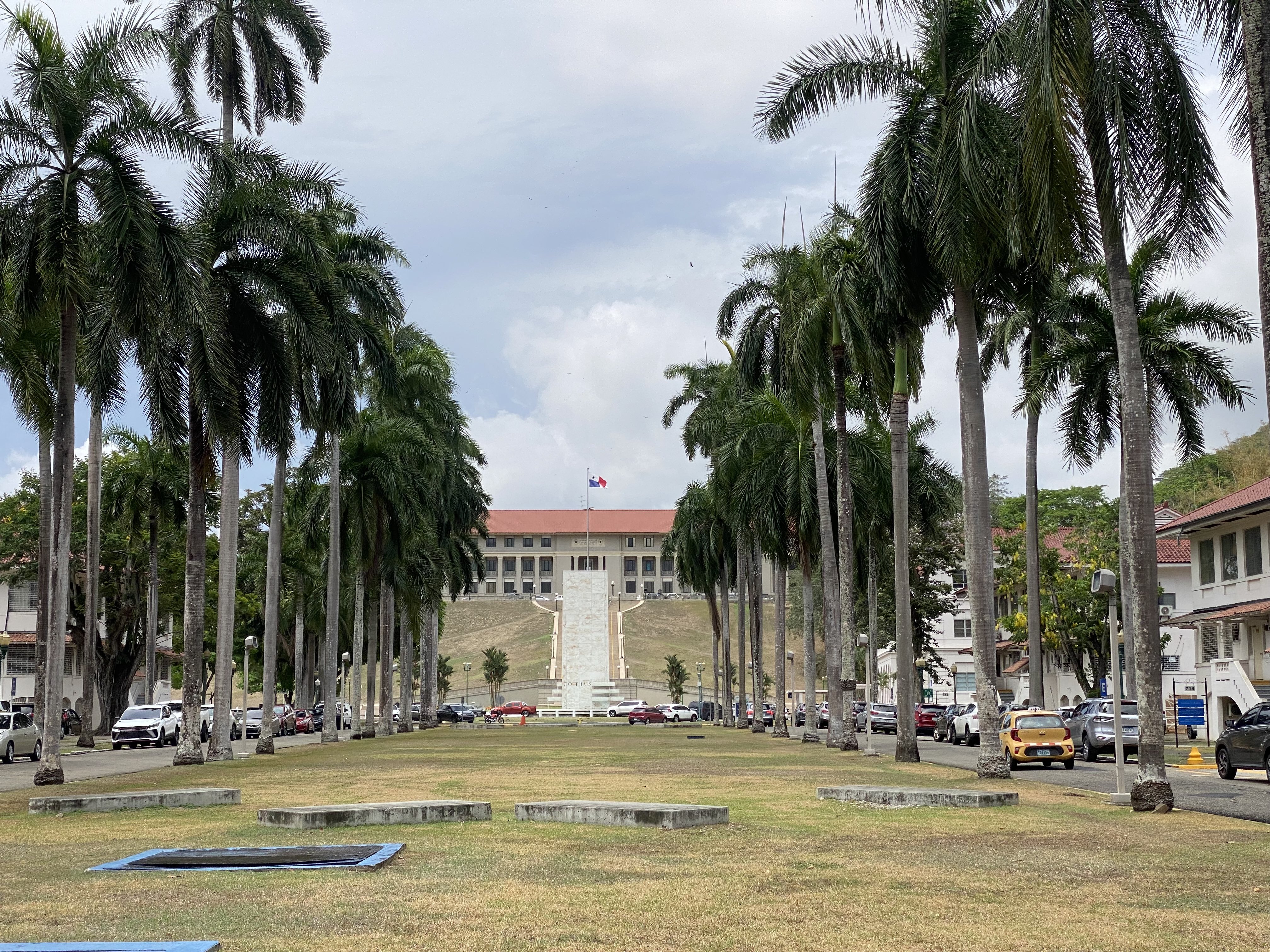
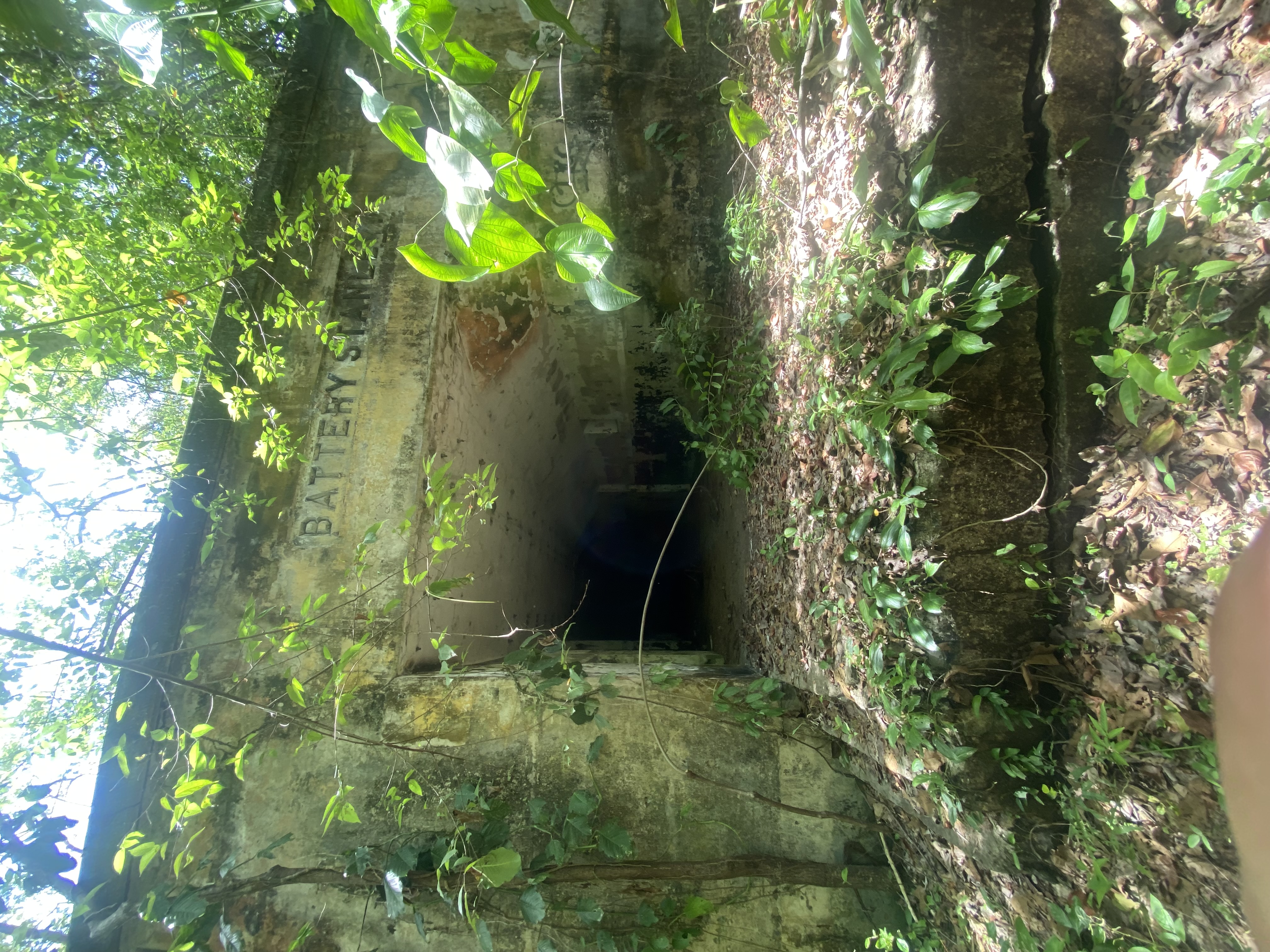
I was interested in all of the apparatuses used to collect and channel water, at both an architectural and sculptural level. You can see America’s legacy across the whole country, because America considered it as an internal waterway of the United States. It was seen as a highway between San Francisco and New York, and managed by the same U.S. Army Corps of Engineers that managed the Missouri River. So there’s all these elements of American suburbia in the country, and all these American dams that are totally removed from their home country. Everywhere, it’s this legacy of attempts to control the water. There are pipelines for aqueducts, but because everything’s in the middle of a jungle, it’s all falling apart and rusting. There are these bunkers that are all abandoned because it’s 35 degrees with 100% humidity. You can see the Sisyphean relationship everywhere.
But at the same time, though I’m trying to get at the beauty that comes through these contradictions in my film, it’s so invisible when you’re actually there. People just drive by. Everything is totally ignored. After filming, many things around the lake have changed. Some of the bunkers were reactivated by the Americans. The monuments for Chinese workers were demolished. There is political maneuvering to deal with Trump’s threats to take back the canal. These strange ripple effects continue to emanate.
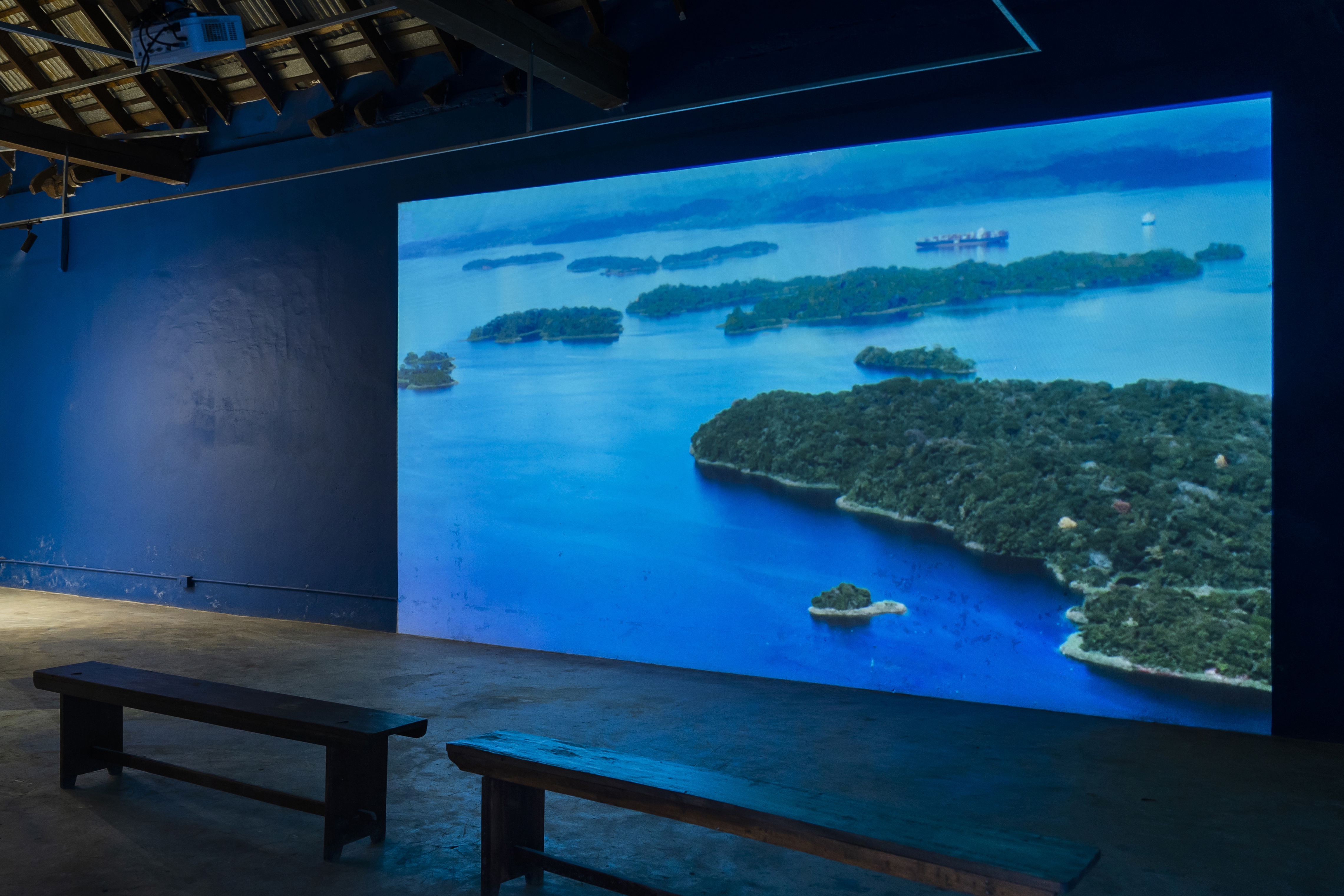
It’s the limitations of globalisation. It’s endless until it’s real. There’s infinite water until there’s not enough water. The logic extends until it collapses on itself. I think that’s interesting artistically, to make visible these hidden sites of power. Infrastructure is always invisible, but I’ve always thought of it as predating these artistic constructions. I was thinking about how beside Spiral Jetty by Robert Smithson is a giant oil jetty that predates it.
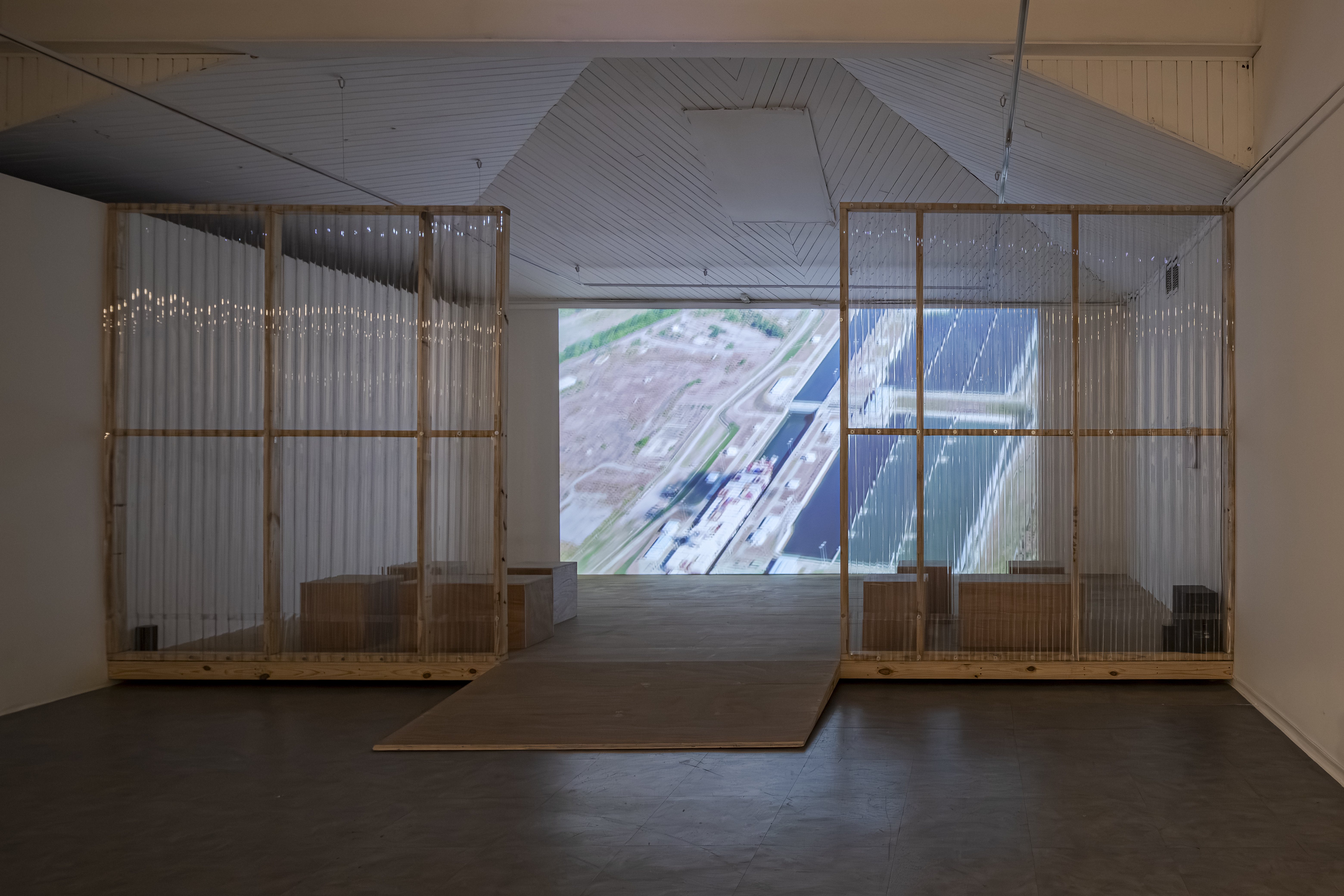
I was interested in the collapsing of time and space through the physical movement of the camera, but also in the collective fictions of progress that are narrated through the canal. There are figures like Joseph Pennell, a lithographer, or Ernest Hallen, a photographer, who mediated the canal’s construction, creating narratives out of the canal’s construction. When I was there, I was imagining the canal as a media narrative construction. On the other hand, I was also thinking about the Isthmus as a montage between the oceans, bringing together these disparate spaces of the Atlantic and the Pacific, and thinking about locks as cuts. As you transfer through the canal, you’re cutting through time. The opening and closing of the locks is as close as you can get to a physical cut. But I’m also interested in displacing the primacy of one medium. It’s a film, but I also wrote a text on it, and there’s a sculpture too. It exists at multiple levels.
.jpeg)
In China, they built the largest aqueducts in the world for the South-North Water Transfer Project, starting in 2002, because Beijing is a desert and has rapidly intensifying droughts, and the south of China has too much water. They wanted to move the water from the south to the north over 1,400 kilometres, so they built these aqueducts in the Wudang Mountains, the birthplace of Taoism, and moved all the water over rivers and mountains, to the end of the canal where it goes into the lake of the Imperial Summer Palace. Rosario Aninat and I were mostly filming, tracing the route. We were trying to make our own lenses with glass casting, to make this video for an installation.