In Conversation with Maggie Lee
Words by
Amalia Ulman

Hi Amalia! I’m so happy they have paired us for the interview. I love when our long-time friendship is brought back together.
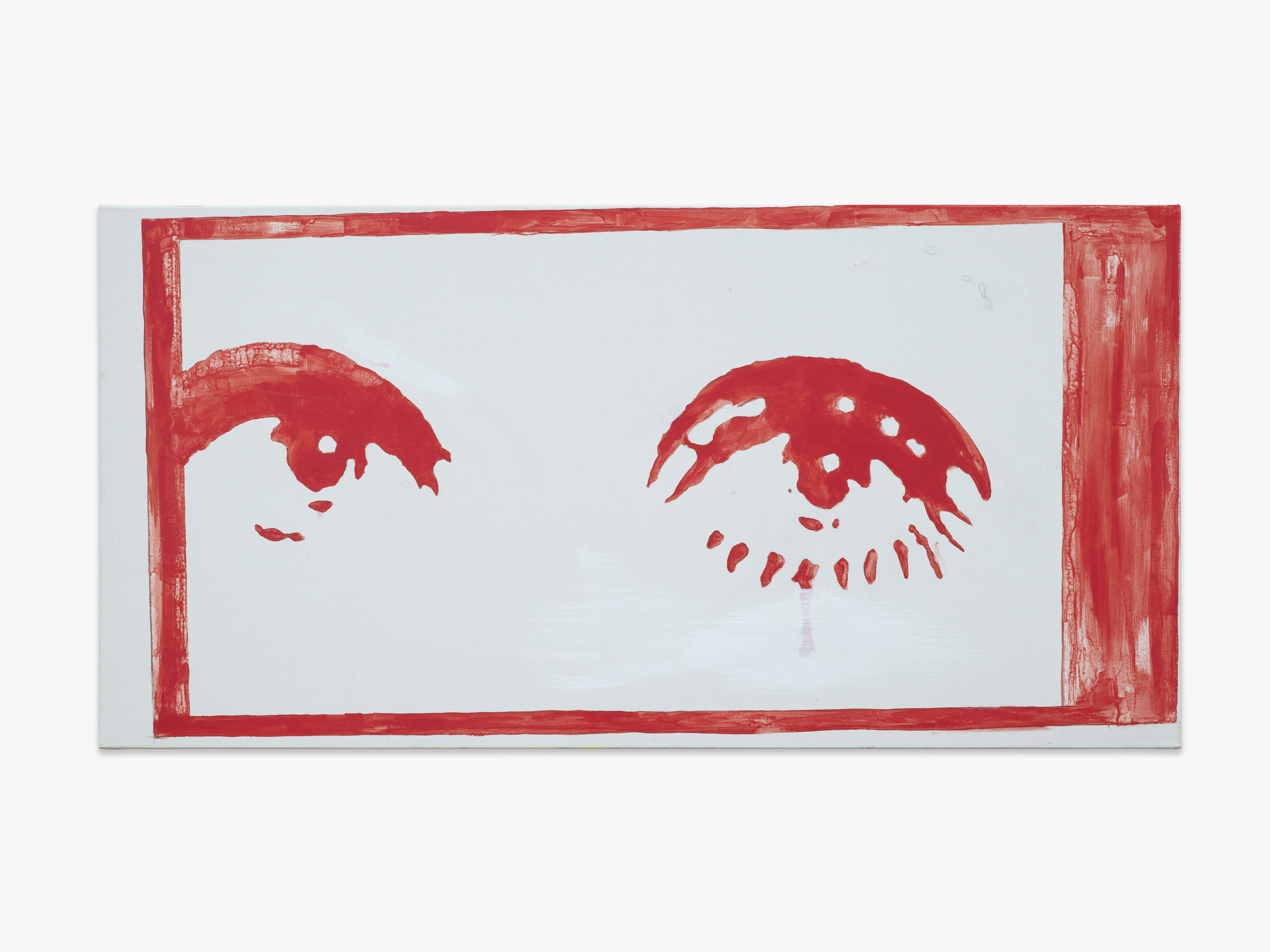
I made Pink Horror with Heji Shin. It’s only the first draft that was exhibited at Kunsthalle Zurich. I like to pull from films that are not exactly psychological thrillers. It’s based on everyday life and experiences. For the mood it’s a mix of many things… There’s this viral video of an alien dwarf sighting in Mexico. The alien’s particular walking style has been ingrained in my mind, so we had a little person actor mimic it. Oh, and some Jean Rollin La Vie En Rose scenes.
I’ve been recording my sleep talking. I talk a lot in my sleep. I attach a clip microphone to my nightshirt and record all night. That was the soundtrack for the Magazine show. In Hearts Mission, I recorded the best parts of the songs I love that captured what I was feeling and trying to express. I grew up playing violin through sheet music but now, with instruments, I like to play by ear.
Hahaha, you’re so good. (Laughing.) In the late ’90s, my sister was in this punk band with a bunch of NYC girls. From my elementary school memory, they had this crust punk/Nine Inch Nails/goth apartment. The bathroom was painted with black lacquer, and on the ledge there was a collection of stolen nail polishes. I’m in a band with my friend Bobby—it’s a grindcore band. We sound really bad... like being electrocuted.
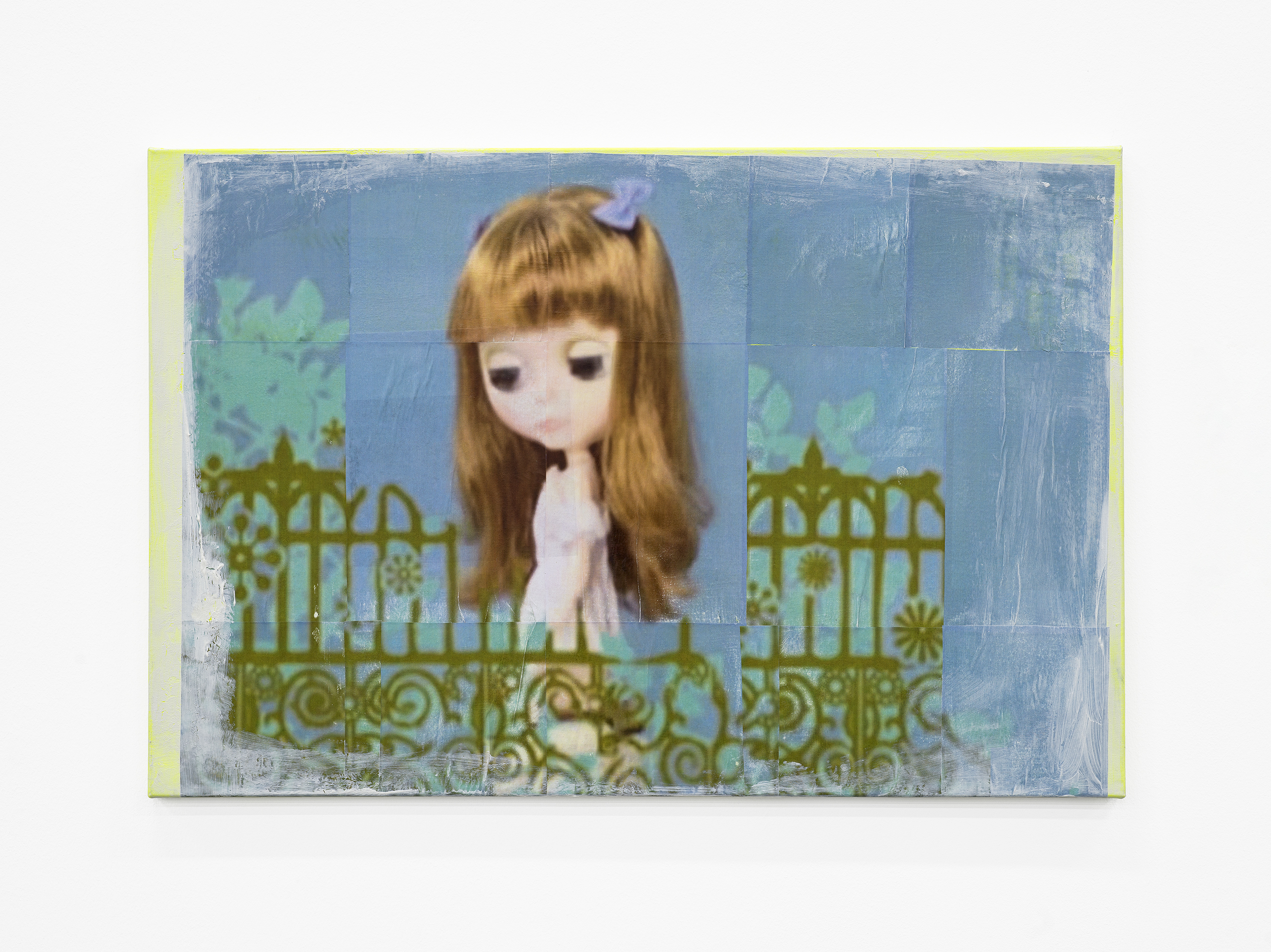
At shows, I was usually the youngest person in the scene, but looking back at it now, everyone there was so young at the same time too. I think of adolescent subculture as a rebellion with style and conviction. It’s both loving and subversive. It has to be balanced. I like the hidden mannerisms, unspoken language, and humor of it.
It’s difficult to share with family, they love me but don’t really understand. The family I grew up with were the first to come to the states from Taiwan. It’s an immigrant story. It’s alarming for that generation to see their children become alternative. It was easier just to hide it. After my mom passed away, I felt like she understood. I was connected to her spirit. I felt her presence helping me make the film.
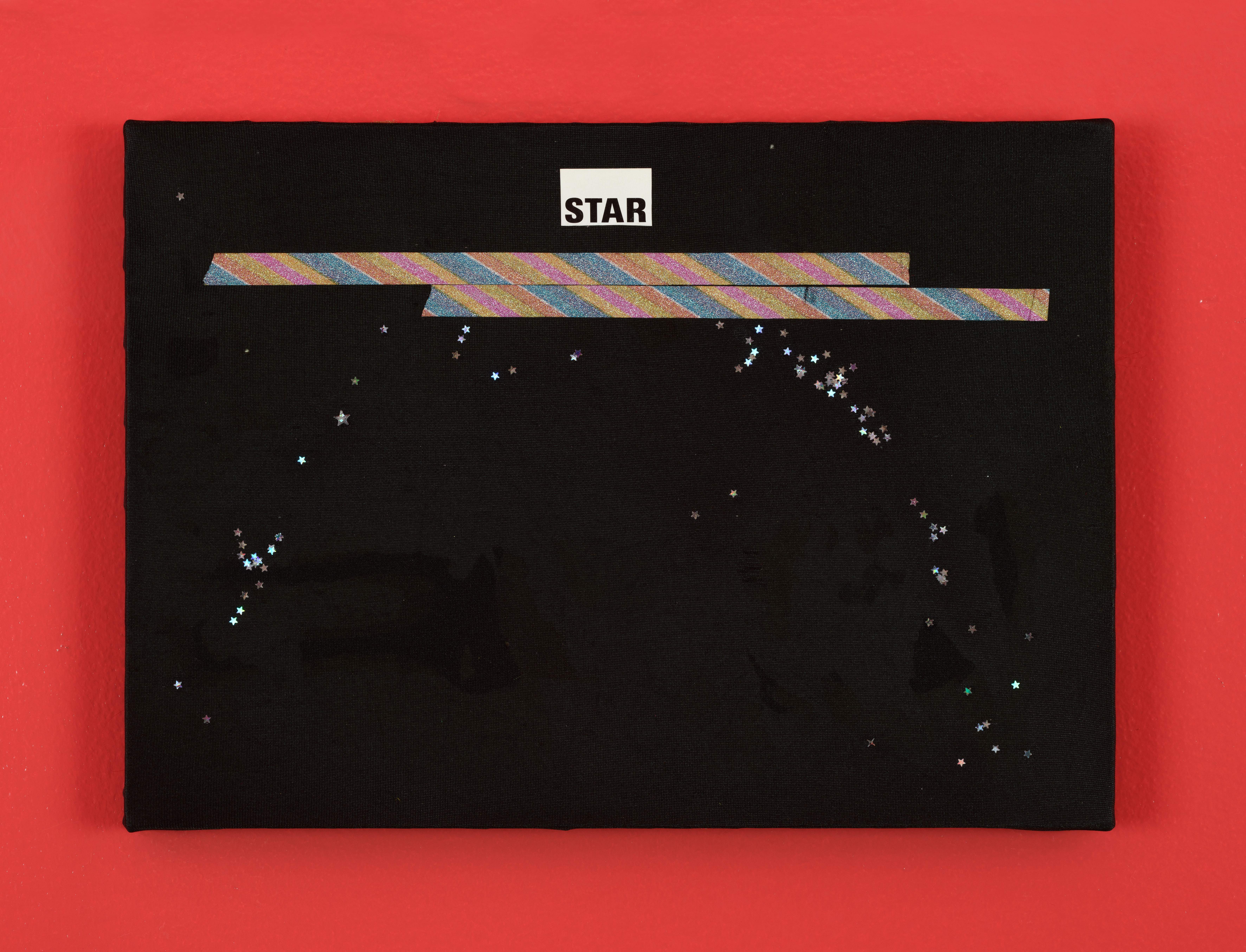
Hahah, I know we would totally have been friends in high school. I feel like a lot of our friends came from the same fringe art kids circle, and while we’ve come to be peers in the art scene together, we’re still the same people.
The film Mallrats takes place in New Jersey where I’m from. I always wanted to meet cool people I related to from other towns.
My favorite store was SCREEEAM. It was a rave store, lit only by black lights, and people would eat “crave” candy that came in vials while lounging on a giant garbage bag bean bag in the center of the store. I once bought the wrong pants because it was so dark in there.
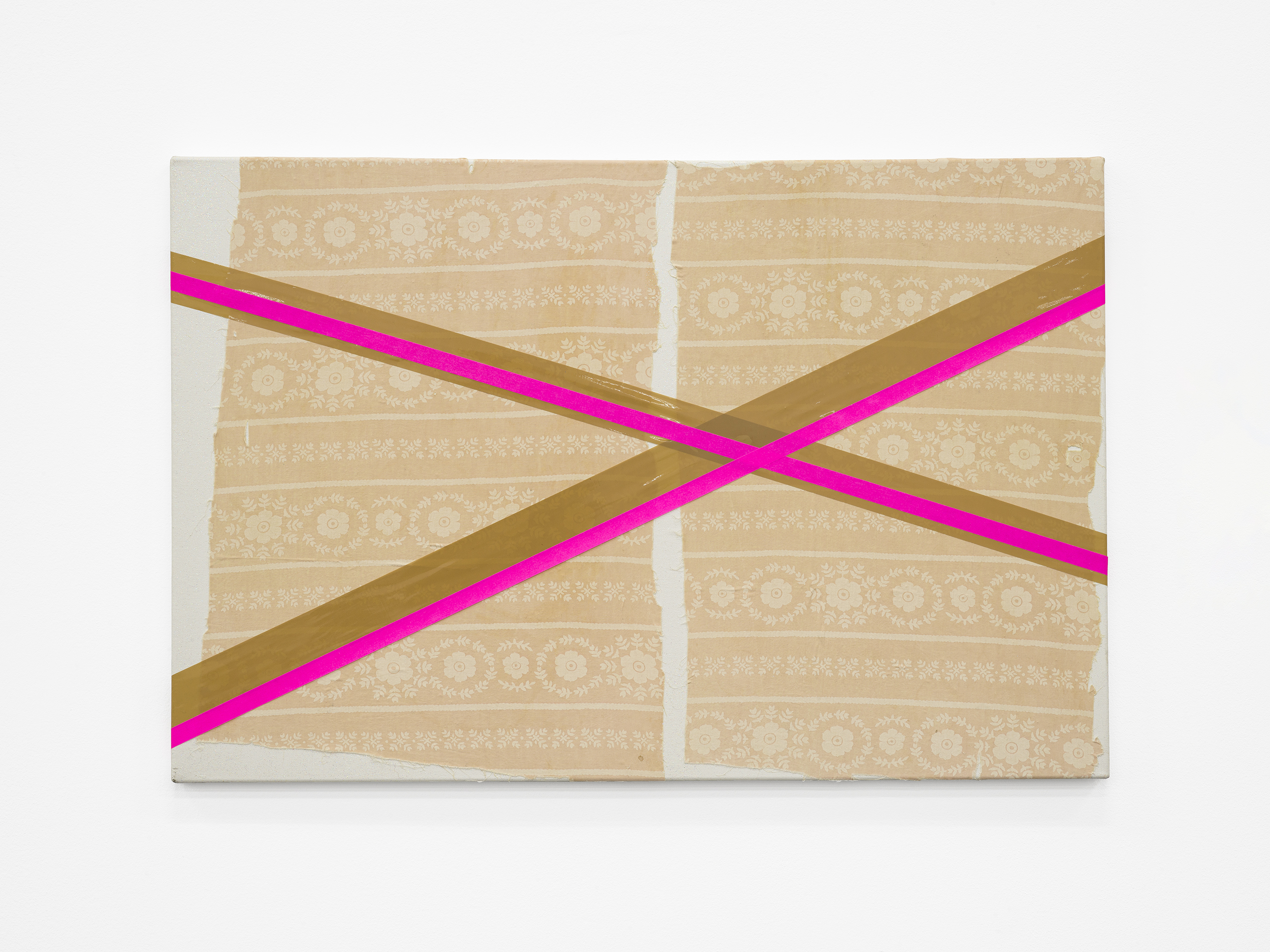
I had my first cranberry vodka at Misshapes, a club in the mid-2000s where everyone had the best style, and iconic wall snapshots captured portraits of the party kids. I was in high school, visiting colleges in NYC, and used my friend’s ID to get in. “Mis-Shapes” is a song by Jarvis Cocker, the singer of Pulp. I’ve always liked how he created Common People with just a few notes—that really resonated with me.
—