In Conversation with Coumba Samba
Words by
Tosia Leniarska

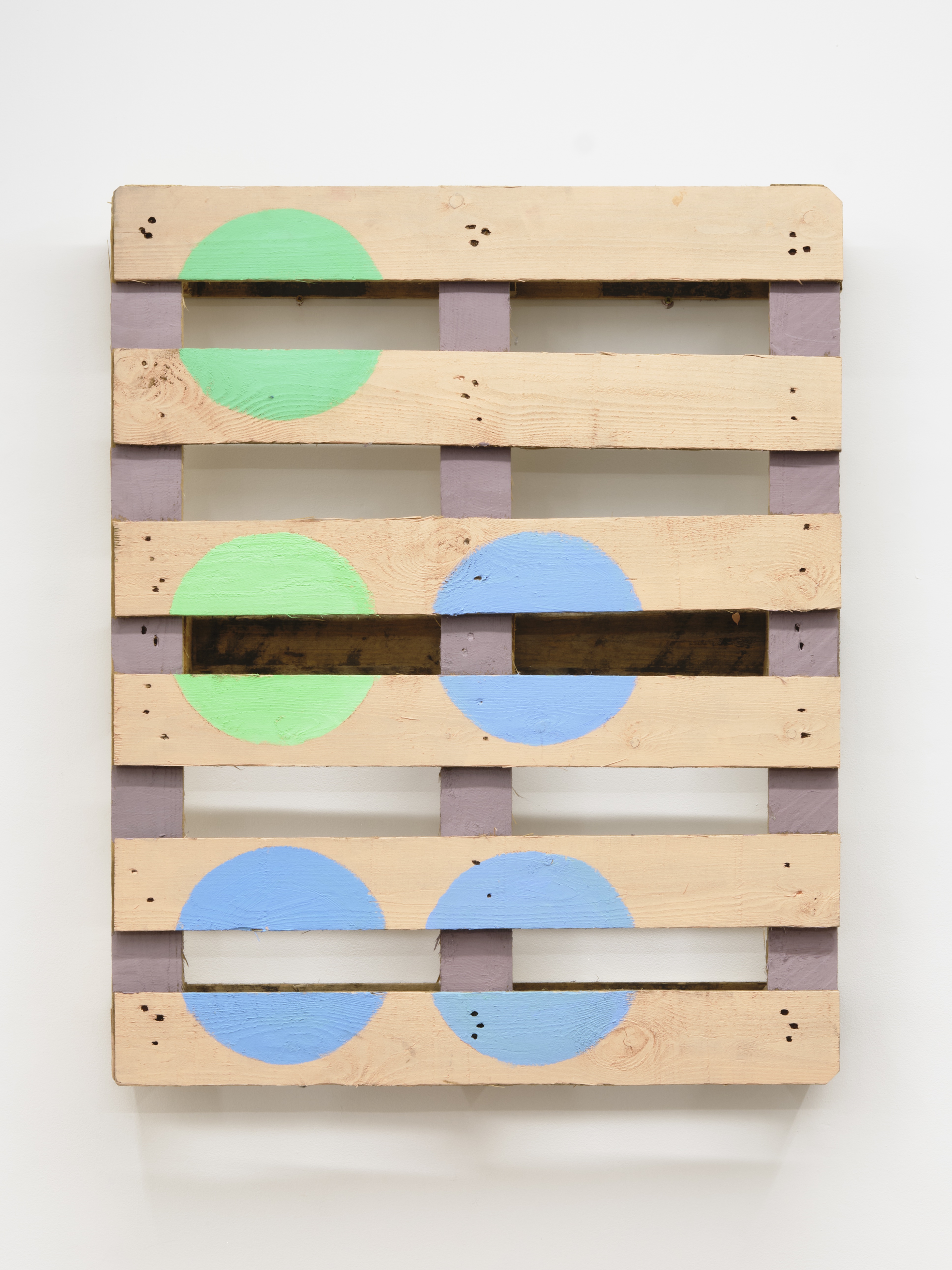
A lot of my practice has to do with really bold colours. It kind of naturally led to asking, what do colours mean? And then, what do colours mean in flags? And then, what do flags mean? In the show I’m working on now, there are three rooms of installations you walk through. The first room is a turtle tank with my turtle Penny in it. But in the second room, the floors will be covered with vinyl in stripes with colours taken from the French flag. The third room is for flag-inspired modernist paintings. The show is a study of flags – of colonialism, of colour.
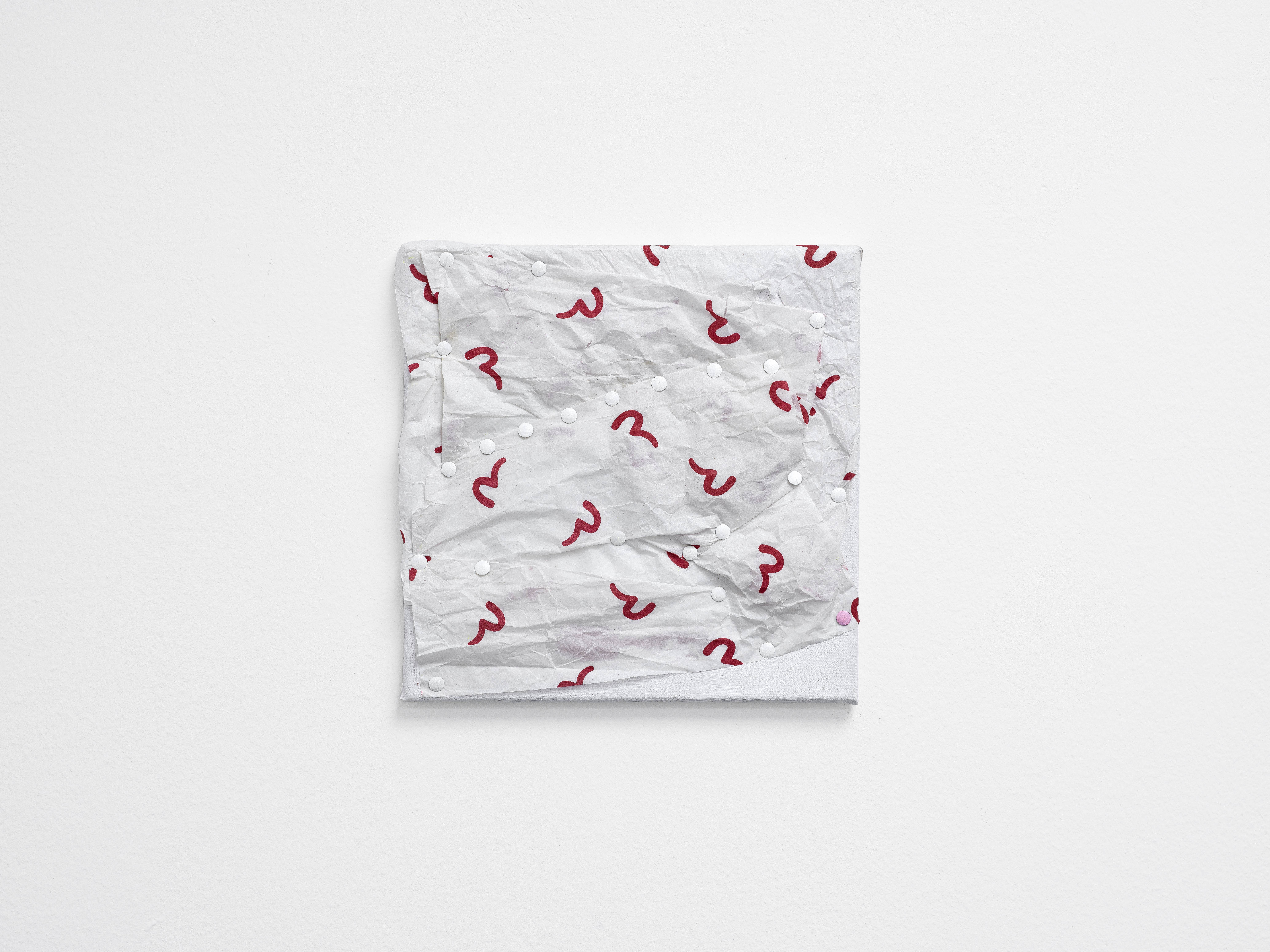
Well, yeah, first of all, it has a lot to do with abstraction – like with Stripe Blinds being an abstraction of a photo of my sister – the colour being like a conduit able to tell her story. Once an image is broken down into this colour, I also ask, what does it mean to give colour so much power? Like I was saying before, in giving colour so much power, the connection to a flag seems like the most seamless link. When I was doing research for the vinyl floor room, at first it was supposed to be yellow, green and red, which is the flag of Senegal, but also a bunch of other African countries. And I realised that I don’t want it to be recognisably one flag, so I made some combination, and I was like, great, this is it. And then it turned out that it was the flag of Lithuania.
I’m not sure about the red, white and blue. I think I learned about it in school, but it was something stupid, like, red for bloodshed or whatever. And then, for Africa, it was basically that Ethiopia was the first to gain independence. So once other African countries gained independence, a lot of them took on the colours of the Ethiopian flag.
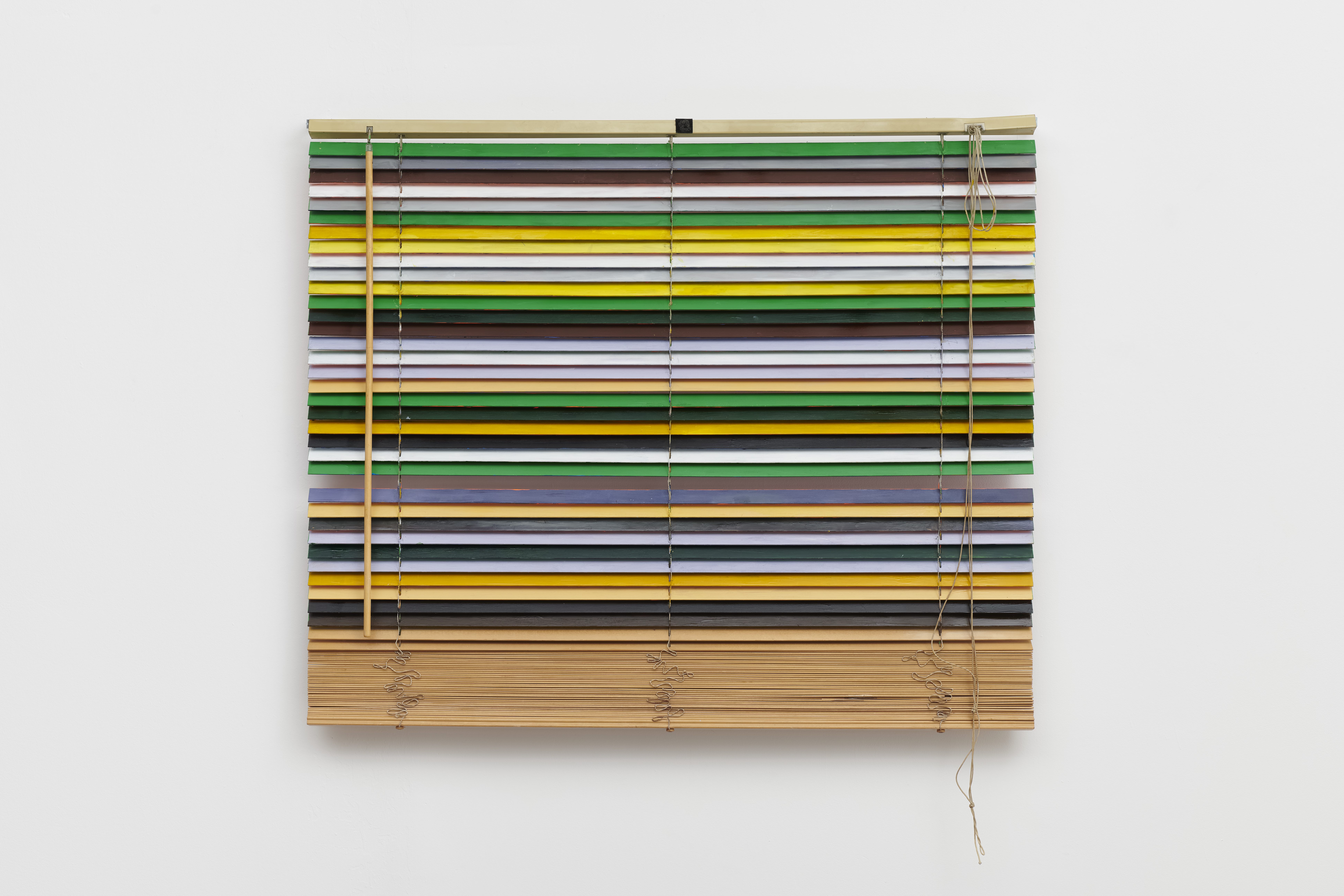
Yeah, I recently had this situation where my sister stole my identity for credit card fraud. I have all of this legal paperwork, and recorded phone calls with credit agencies. And then I also have this flash drive, where I got all of her high school photos. I want to do a show about her. I can kind of profit off of this because of what she did to me. It is a funny dynamic, but they’re still my siblings. So it feels like their story is also my story. And it so easily could’ve been me. And it is me.
Yeah. And I think also since we all share the same parents, but there’s such a huge age difference between us, I can see the things that were imposed on them by our parents. I have two siblings who were born and raised in Senegal and then moved to New York. And one sibling who only lived in New York. You’re having these different narratives. I also have my own narrative, but I think it’s interesting when they talk to each other. So much has happened in my family that I feel like the experience can speak about a lot of other crazy fucked up things in the world that I genuinely care about. It gives a lot of material to play with.

I love Senegal. There is a sort of duality there. A place like New York is super hyper-capitalist, everything’s fast and in your face and fake designer. Senegal, a French (and British) post-colonial country, is trying to get their footing in something but are left with all this baggage and trash. Trying to build itself up, but it feels like they aren’t able to move forward. Politically – sure, but also in terms of building infrastructure, like jobs, just because so much has been taken away. In my work, being able to play with both of those has been really interesting - the sad and the funny and the beautiful of both places. And this is also what my Cell Project Space show is about, where it’s America being this dominating presence and having this power over African countries systematically. Exporting their trash and also exporting really weird concepts, whether it’s colorism or these ideas of ‘rags to riches’. Also it’s almost impossible to push back on these authoritative countries, because when Kenya tried to tell the UK ‘stop sending your clothes and garbage here’, they were threatened with losing money and support to their government. Literally, the EU dumps millions of items of clothes and tons of plastic waste in Kenya every year. How is any country supposed to survive that.
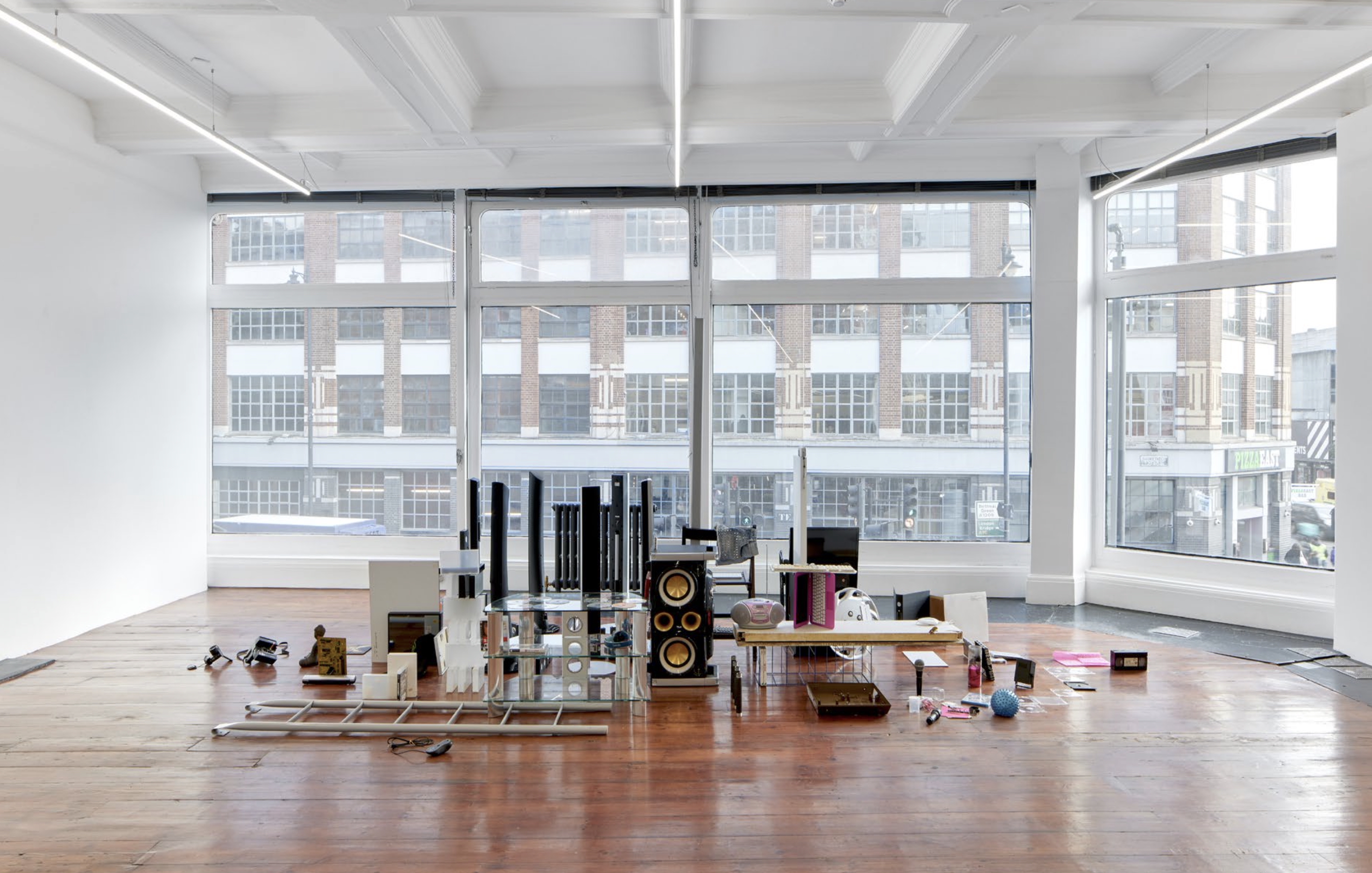
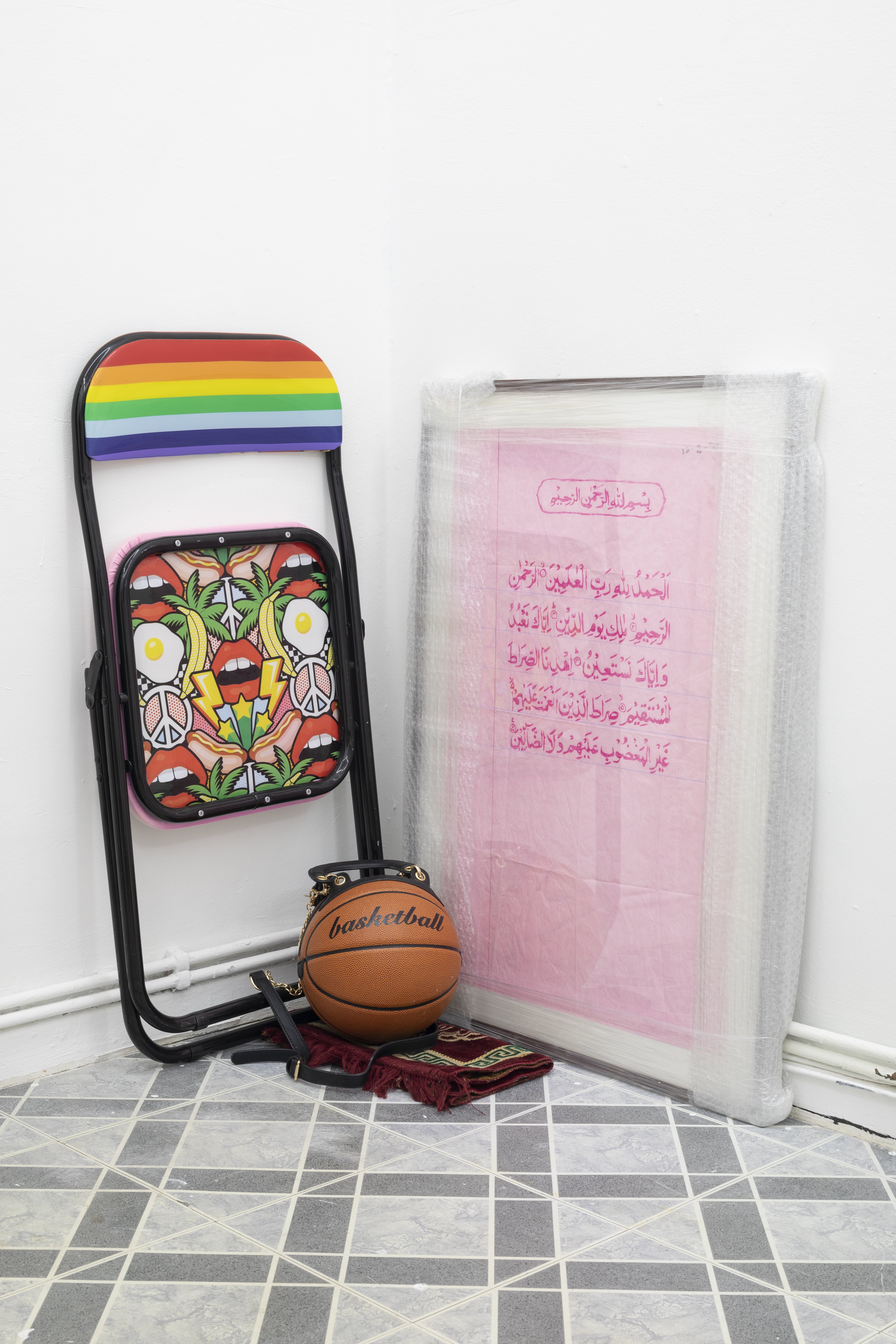
Yeah! Literally – the Cell Project Space project is about a soccer game. I’m doing a performance piece and after the performance, the stage set will stay there as a sculptural piece. I’m getting dancers from Senegal, from this contemporary dance school there called École des Sables. I'm collaborating with them because they're very experimental and I want to give back to my country because they are slaying it. So I'm gonna have three dancers from there. The piece is called FIFA. And it is about using all of the dramatics of a soccer game, of getting hurt, or throwing yourself on the ground so that it would be a foul or whatever. Scenes of having to still be 'a good sport', and hyper-masculinity. They like to have some really interesting body movements and language. I like using that and FIFA to talk about everything that I was talking about before, like power dynamics, import and export. Not that the dancers are each representing a country or whatever, but I think more so just what FIFA stands for. And also, the fact that every time I tell someone about Senegal, they respond with football. I don't know anything about football. It's funny that this is their biggest export. This is similar to America where a lot of the black kids that I grew up with, a lot of the boys wanted to be basketball players, even my nephew at some point. I think it's also similar to the piece about my brother where it's kind of about being assigned a future, or assigned a story.
Yeah. And also the fact that it is sports and not anything else. This weird voyeurism and obsession with black bodies and culture.
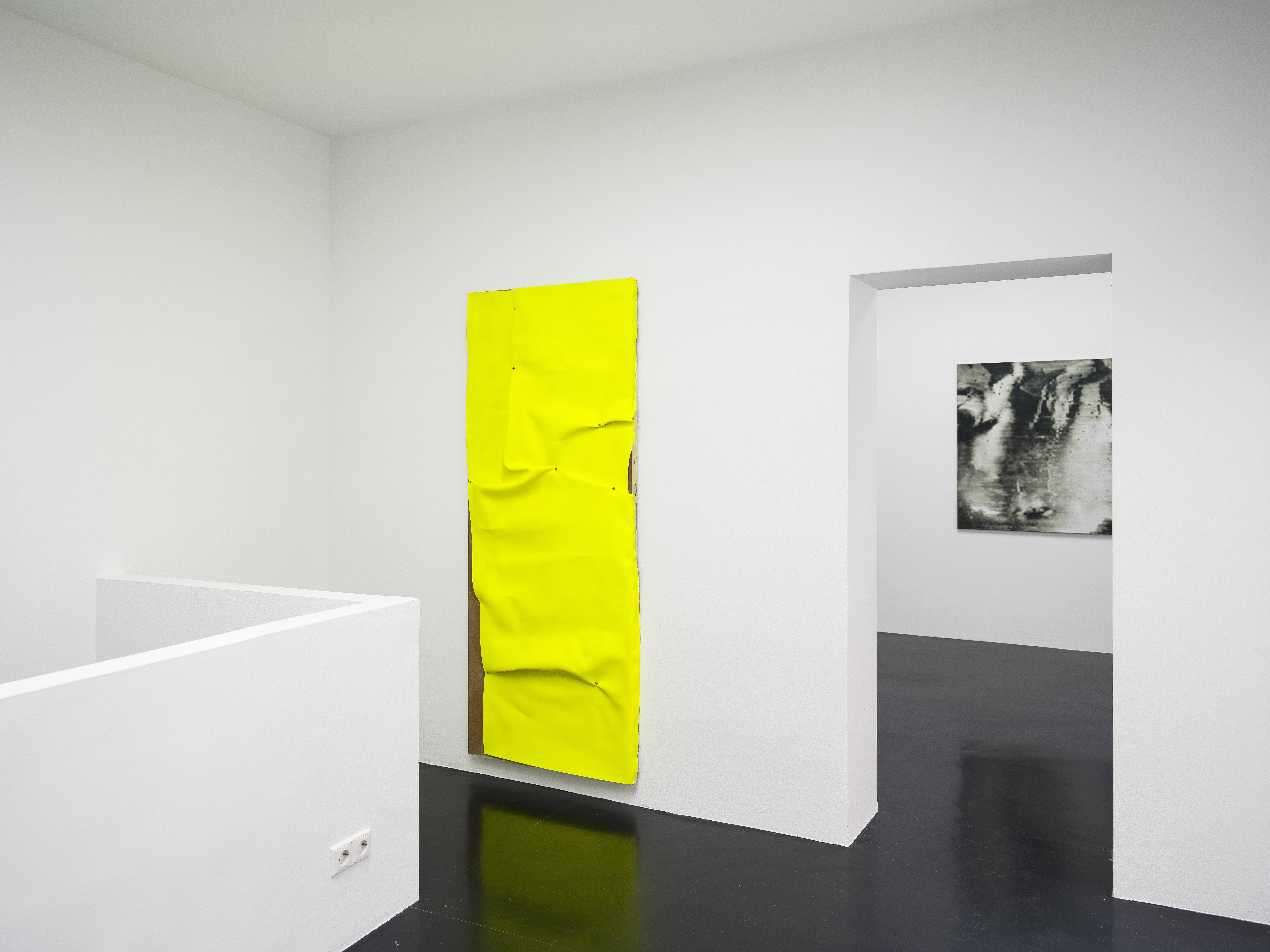
Yeah, I'm thinking of it as a series called Box, where it's all pieces about the same story, but using different materials and a visual language to tell it. The Rubber Door (for Box) (2023) is also related to this. I want it to be ongoing. Nothing is super direct but everything's more abstracted, like this neon construction yellow on black rubber. The fact that it's on a broken door, and also that it's a door found on the street. It's mostly just about the materials, drawing on my brother's experience of incarceration and building work. It's an ongoing assemblage piece with parts that will never meet.
Yeah, for sure. I think a lot of the values behind our music is that it's all built from free samples, free loops, and the music is free. That you can be building a community and giving back to the community, in the way of not having to buy shit all the time. That everything can be recycled. Not everything has to be owned by someone. Also, it's just a nice feeling to put things out into the world.
Yeah, I think so. Right now we're working on a new album. I have lyrics about, like, walking around in the Bronx or something. And now with our performances, like the
one at Le Bourgeois, that one was super fun because we were super militant.
Also kind of secretary. We have a message and I feel like through performances we can have that more political side of it be brought out.
The message is anarchy, fuck the government, peace and love, save the Earth, everything should be free.
Penny is really brave. My other turtle bit her tail off. Penny is the perfect character to tell the story of perseverance and personal survival. And she’s really cute. Also, it’s like, I don’t know, I like the fun of someone walking into a gallery and being like, what the fuck? Turtle in here?