Passants parmi les pierres at fjk3

The exhibition Passants parmi les pierres, curated by the internationally renowned artist Thomas Demand, revolves around images that do not simply depict, but simultaneously produce the reality to which they refer: perception as construction, memory as montage, the image as a form of history. In this movement, the work itself becomes a space of thought—not as a representation, but as an arrangement of visibility.
The show takes as a point of departure a photo by Omer Fast showing the set of Schindler’s List (1993). It presents us with cheerful extras in front of a replica of a concentration camp—a place that is both a historical ref- erence and a cinematic reconstruction. The picture documents an event, albeit not the one it appears to depict at first glance. It marks a shift between document, staging, and memory. This distance from reality indirectly touches on Thomas Demand’s own artistic practice as well. Based on images passed down through various media, he reconstructs places and situations using paper and cardboard, which he then captures in photographs. In the process of translating a three-dimensional model into a two-dimensional image, reality comes to be experienced as a construction.
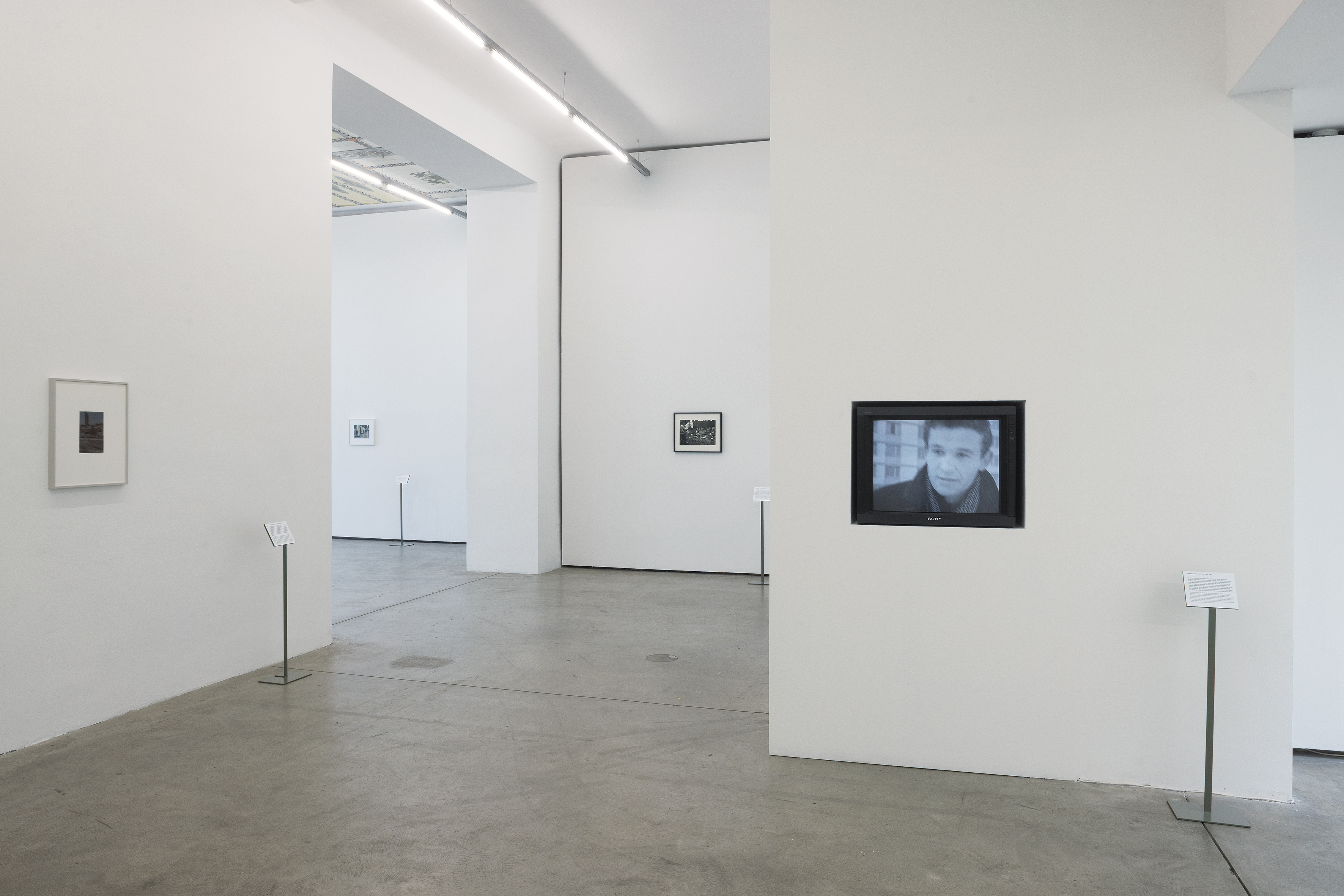
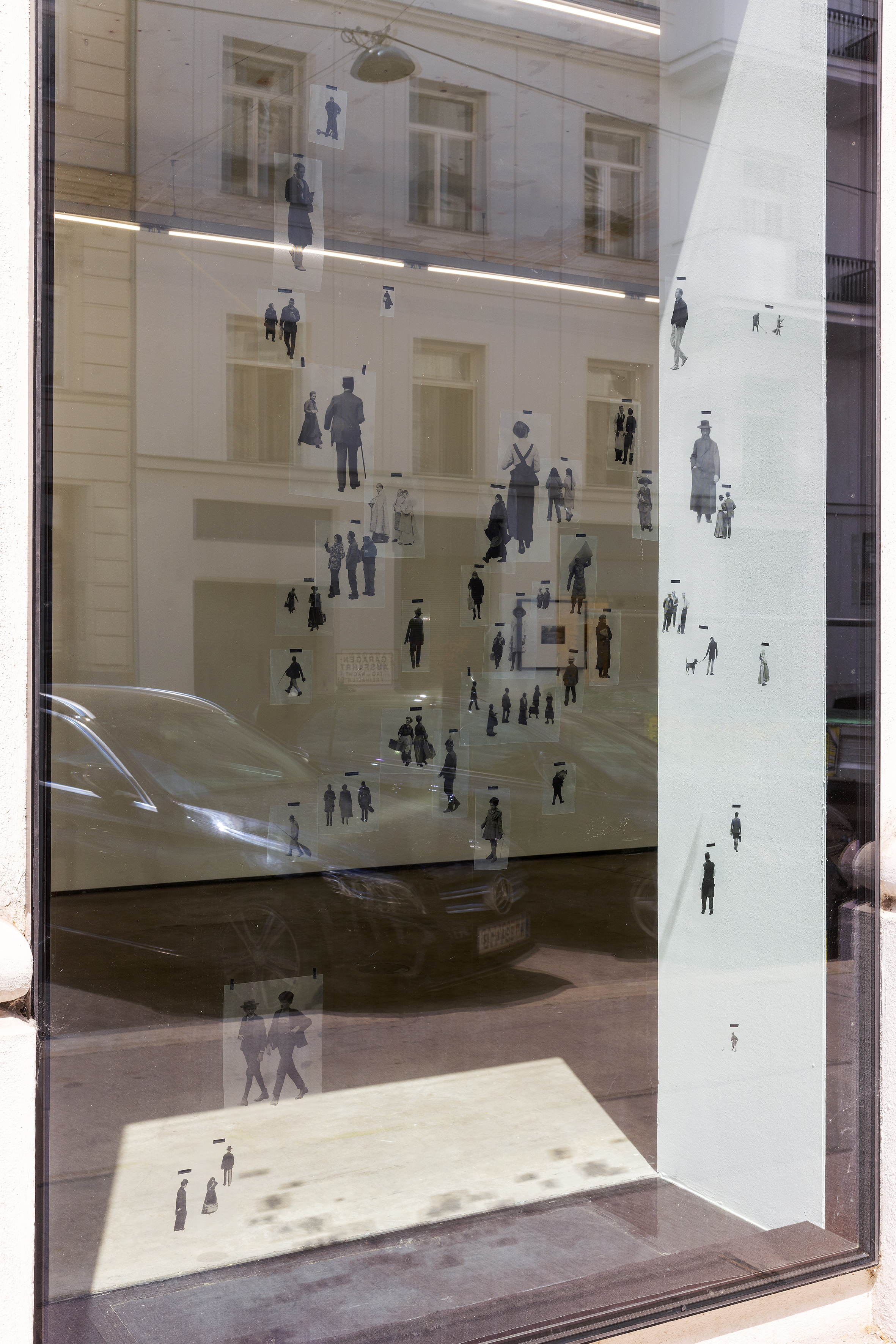
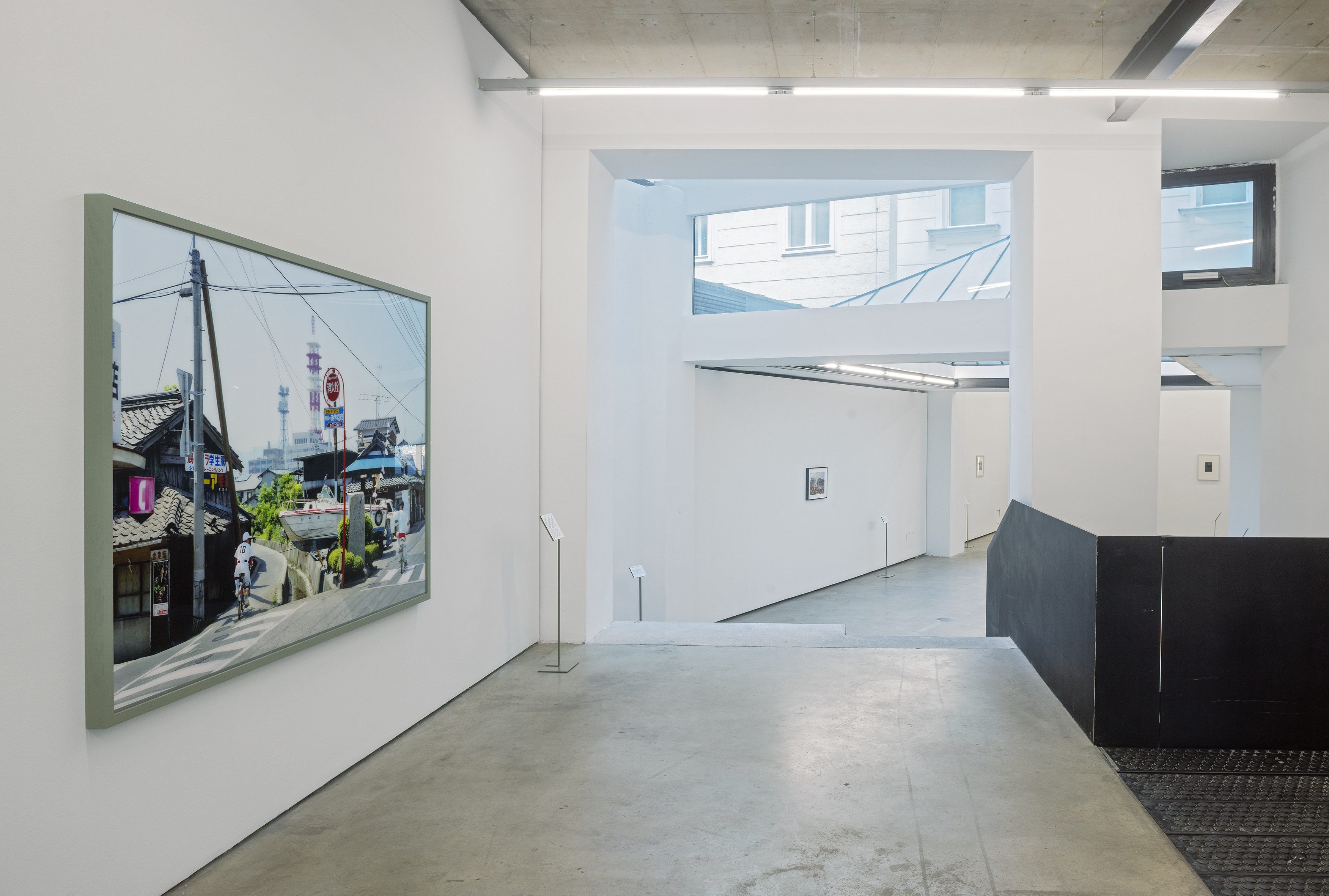
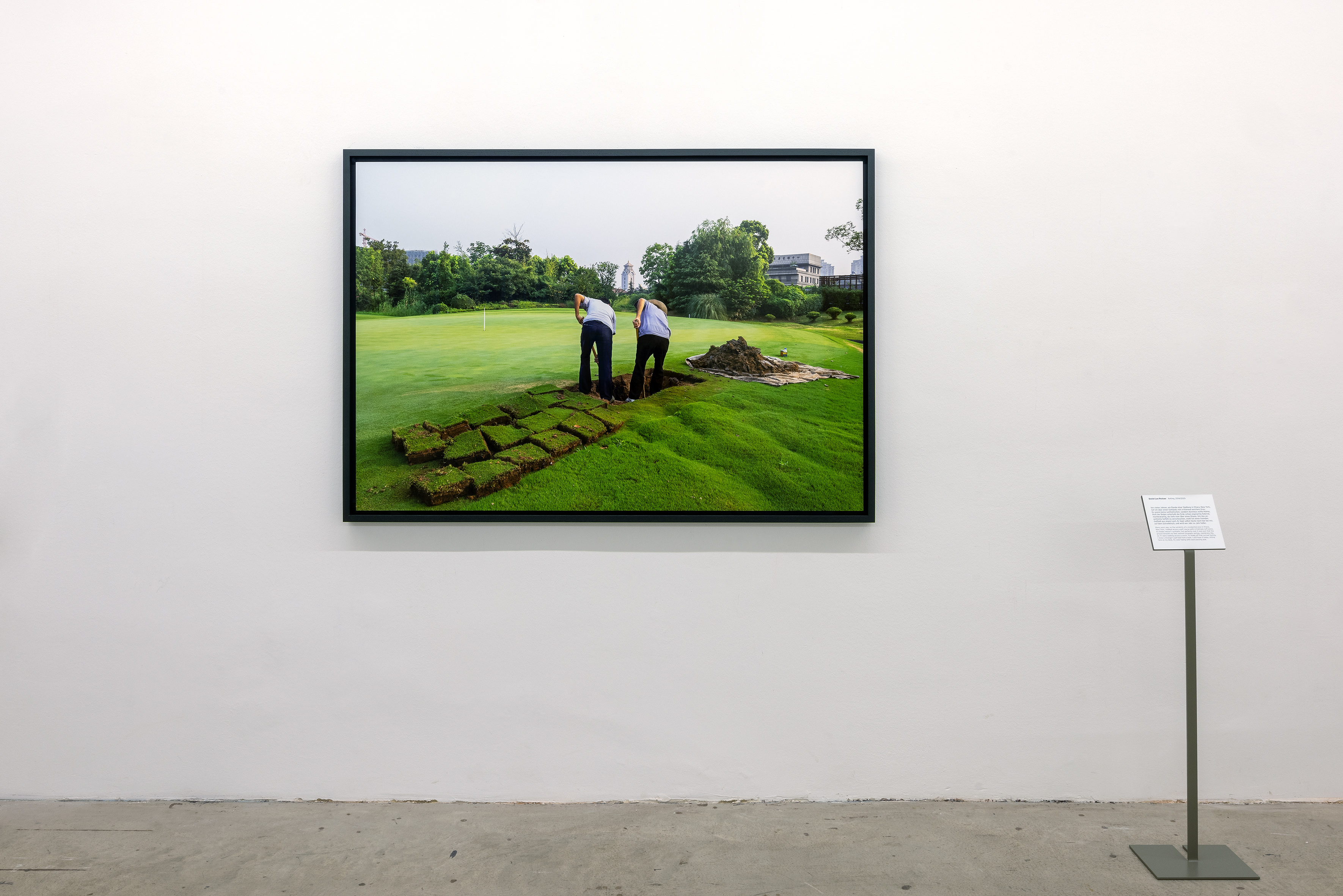
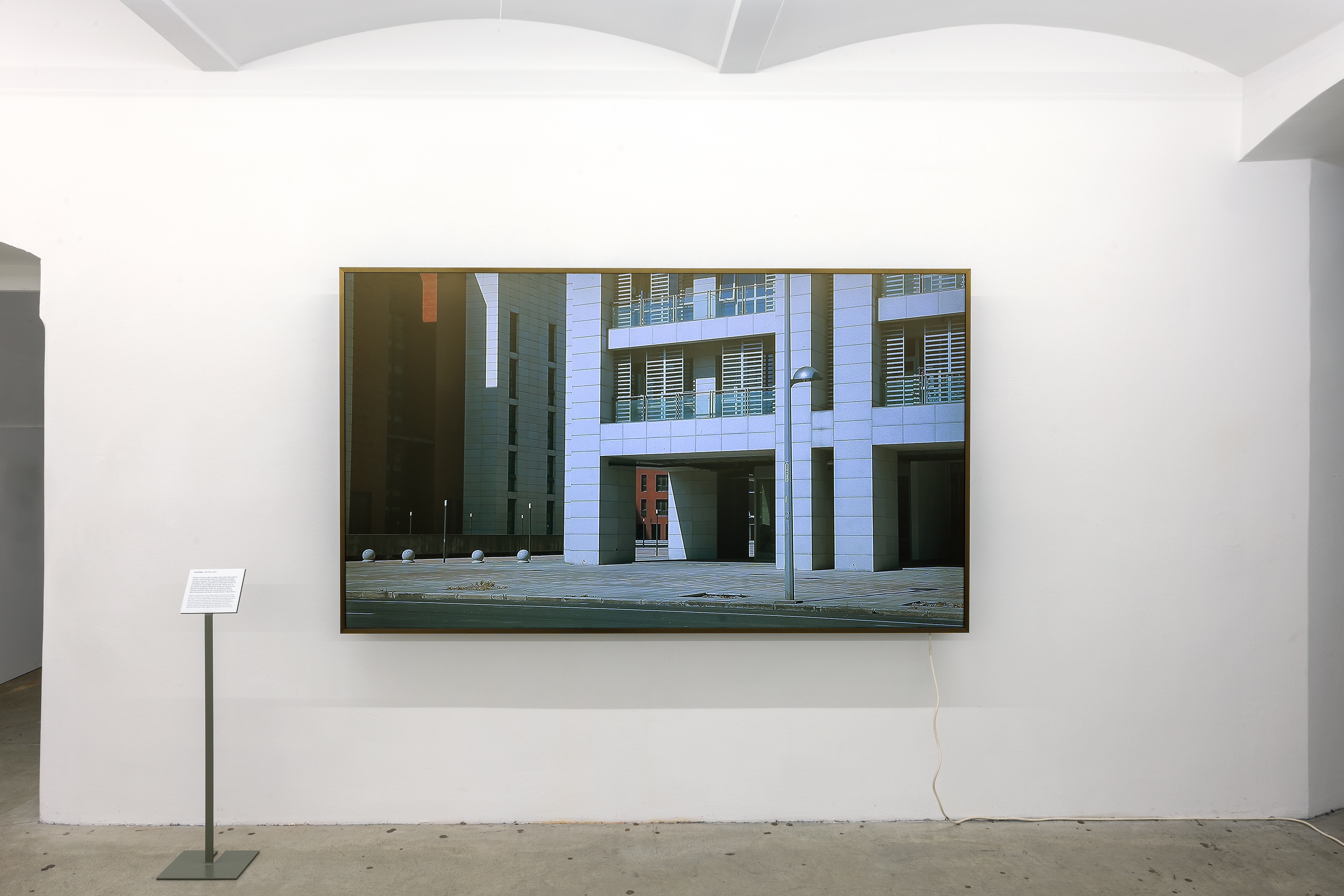
From this starting point, Passants parmi les pierres proceeds to bring together works by a range of artists, including Luigi Ghirri, Sibylle Bergemann, Tacita Dean, Jürgen Jürges, Peter Fischli and David Weiss, Mohamed Bourouissa, Jeff Wall, and Carrie Mae Weems, as well as other artistic positions from photography, film, and sculpture. All of these works navigate the space between reportage and reconstruction, the observed moment and the staged image, as well as historical events and their representation.
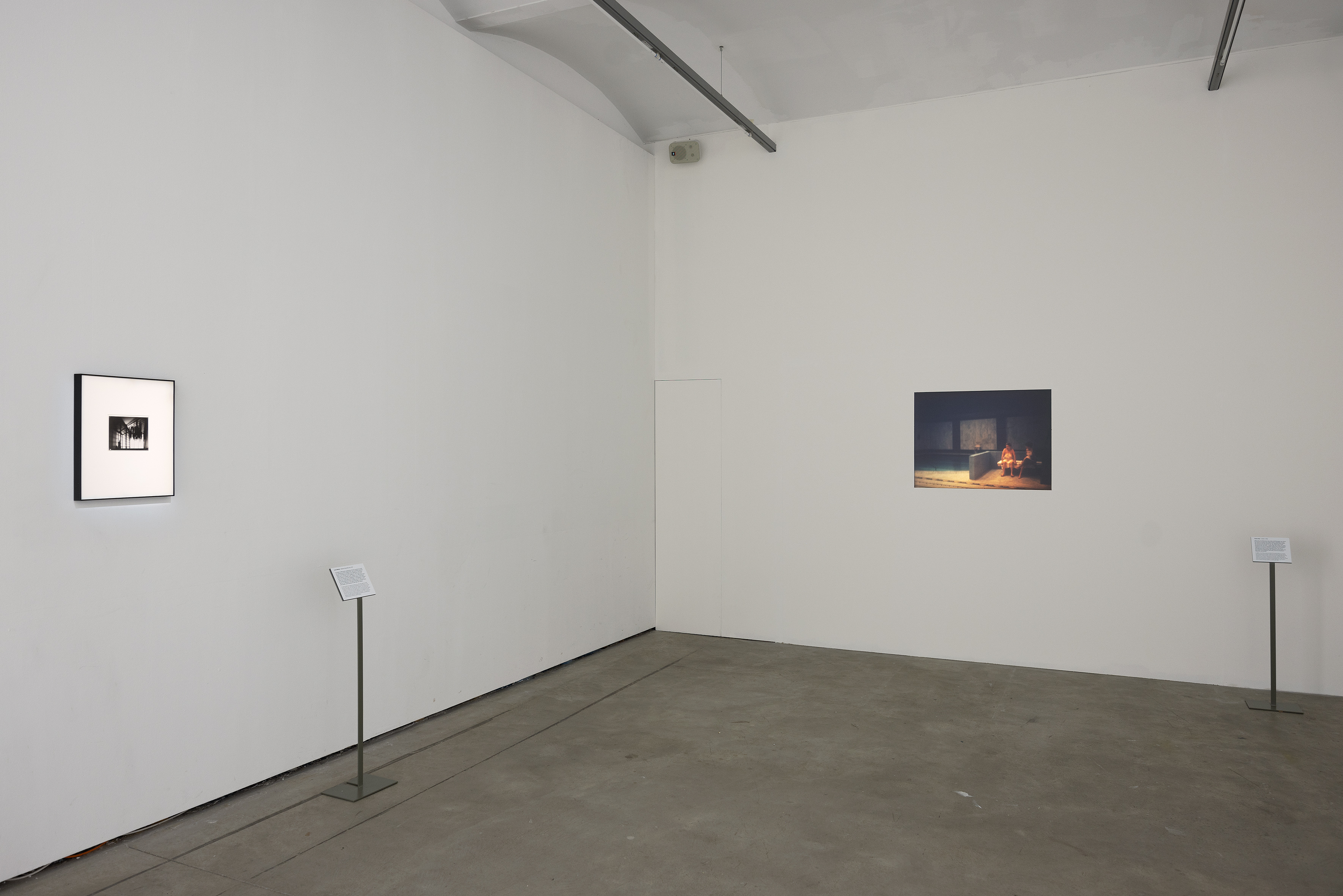
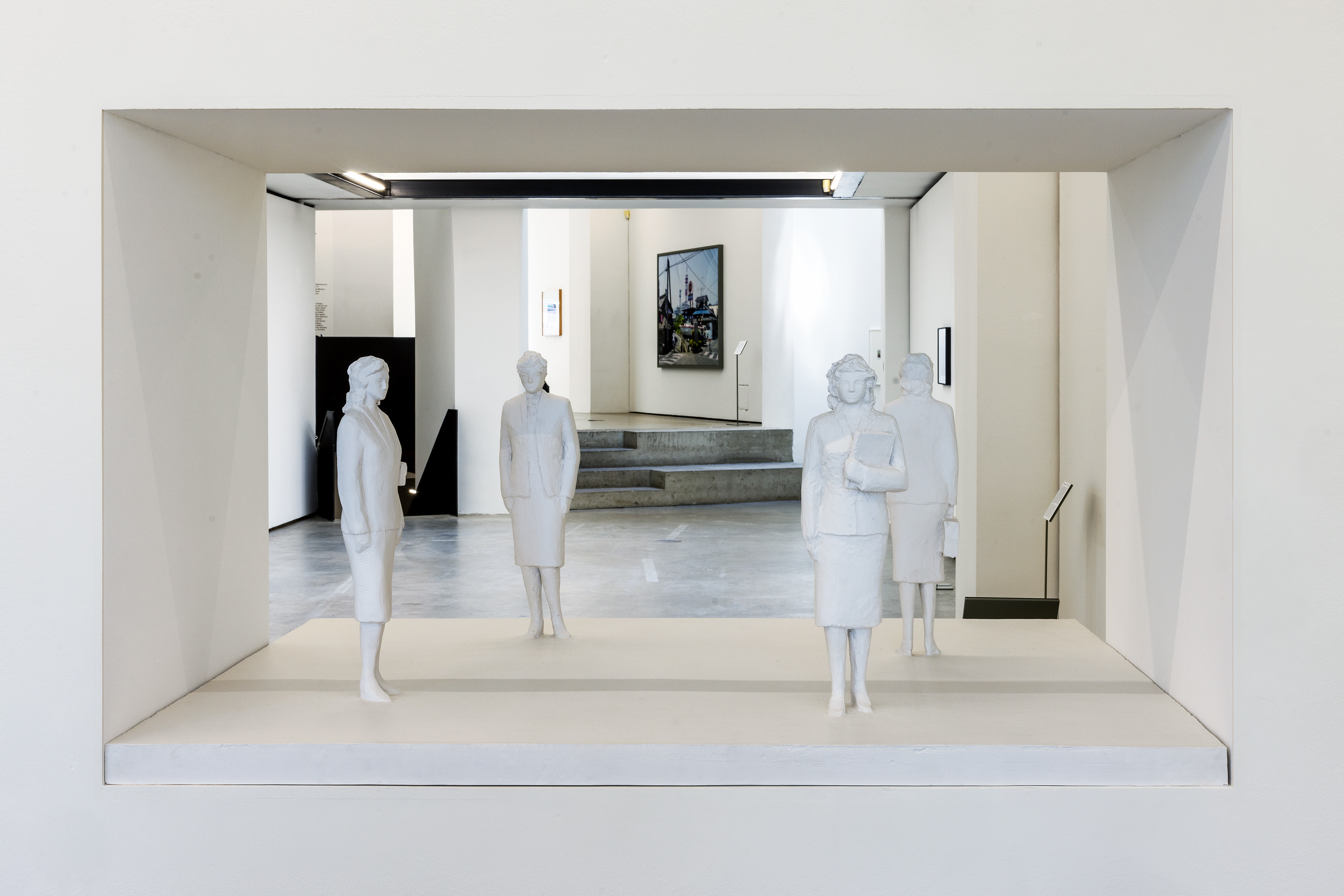
The twenty-seven works selected for this exhibition are related to one another in various ways. They share aspects of pictorial composition, spatial arrangement, and, in many cases, the seemingly casual, hardly noticeable presence of the camera. Figures frequently appear against architectural backdrops, often turned away from the camera. They seem to suggest a relation to the spaces that surround them, which, upon closer inspection, proves to be more of a conjecture than a verifiable connection.
In preparation for the exhibition, Thomas Demand combed through archives, collections, and bodies of works in his artistic environment and communicated directly with most of the participating artists to discuss their contributions. Some of the exhibits were produced specifically for this occasion, while others appear in a new, sometimes surprising context. Relationships emerge between them that read less as narrative and more structural in nature, as correspondences between perspective, space, memory, and staging.
The captions penned by Clemens J. Setz form a distinct textual layer within the exhibition space. Far from explaining images, sculptures, and films, they accompany them with openly subjective commentary—in the form ofassociations, memories, observations, or brief narratives. In doing so, they invite viewers to come up with their own reading of the works, instead of presenting a supposedly objective set of facts.
The exhibition is designed as a spatial movement through the fjk3 venue. Transitions, narrow passages, and sightlines encourage visitors into a form of sauntering in which seeing and thinking merge—as passersby among the stones.