Call me gravity at WIELS

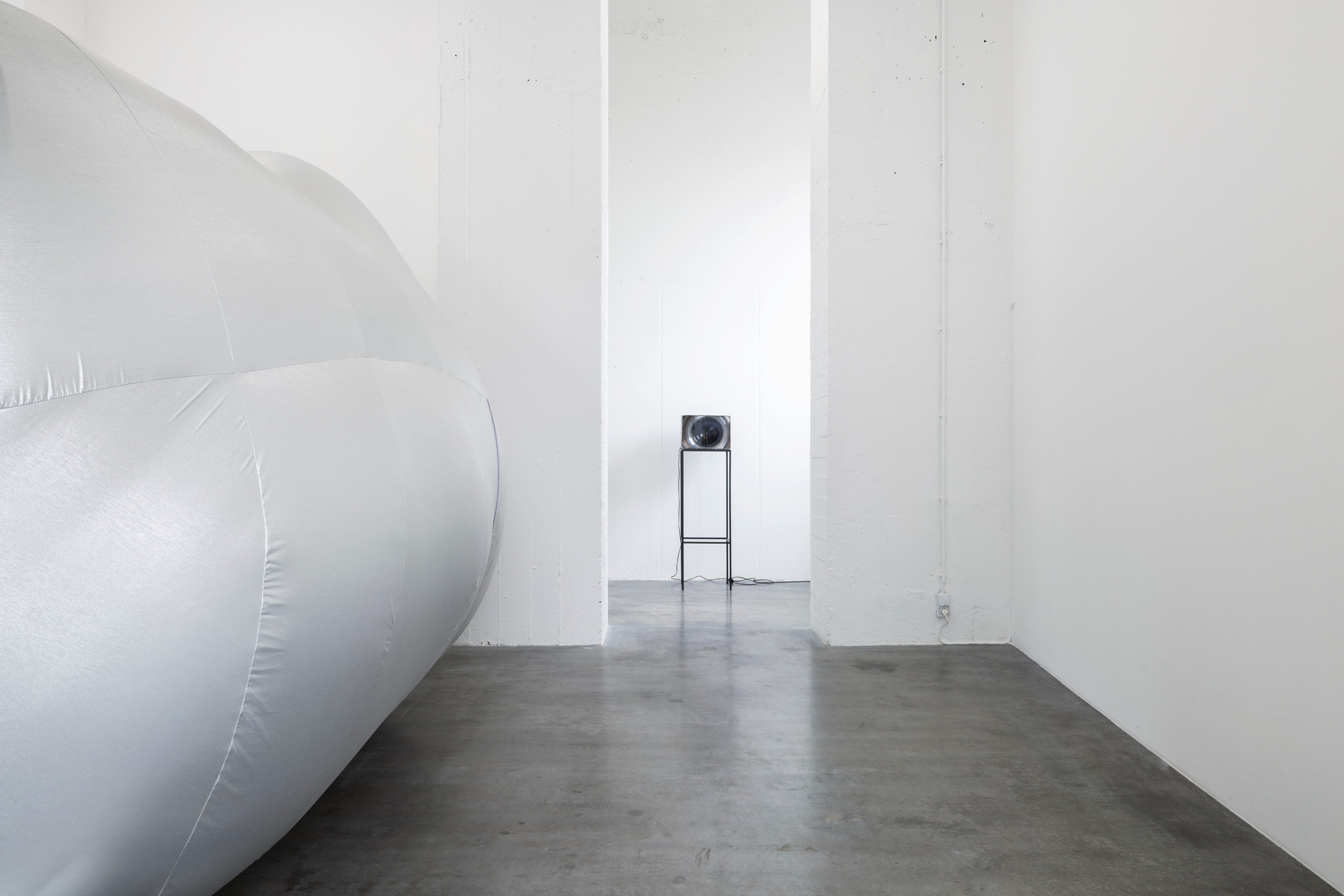
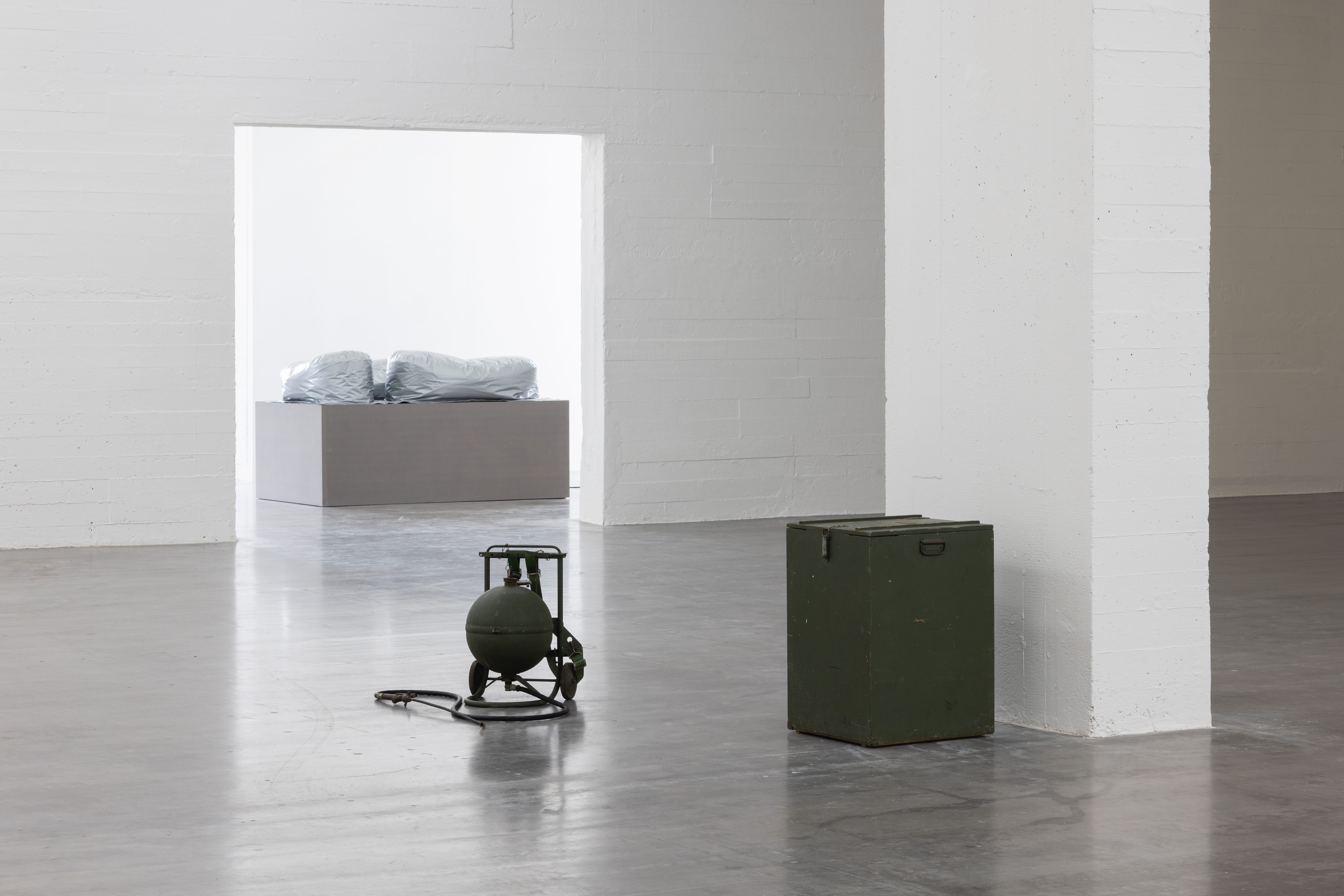
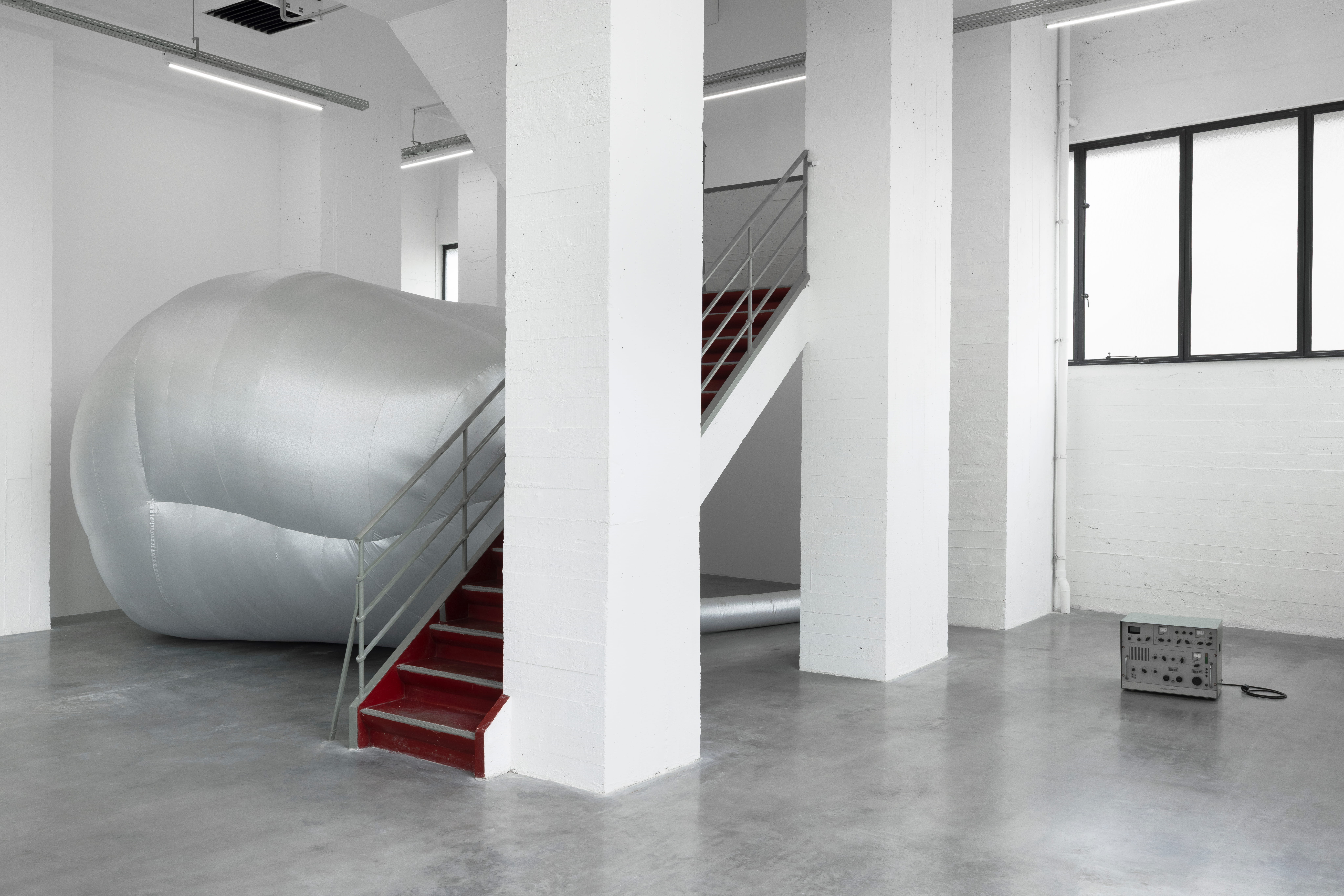
The thematically-centred exhibition Call me gravity, which will open at WIELS in the summer of 2026, explores the concept of debt from various angles, particularly its impact on contemporary bodies and perceptions—for, beyond its economic dimension, debt includes aspects that are social, spatial, historical and affective. It manifests itself concretely in the proliferation of lines of credit, but also lurks where there is no measure, in what is neither accounted for nor recognised. The exhibition opens up a tangible space for exploring these dynamics through primarily sculptural forms, anchored in the building’s post-industrial architecture.
Debt refers to the figure of a lack and a surplus. In the economic sphere, it constitutes a ‘promise of repayment’ that establishes a constant and structuring relationship between what is lacking and what accumulates. The relationship between debtor and creditor is based on both interdependence and asymmetry, generating constraints and, often, violence.
The concept of debt is also steeped in a long tradition, particularly in the West, linking it through its moral and religious connotations to shame and guilt, and which grounds the obligation to repay. However, in our neoliberal contexts, the expansion of credit into multiplespheres of life, such as education or housing, has made these financial obligations omnipresent and often pressing. And yet, debt affects bodies, genders and classes differently, relying heavily on forms of labour that are rendered invisible, particularly care work and social reproduction. These varied perspectives show that debt, though seemingly abstract, functions as a constantly shifting force of stratification, with concrete and differentiated effects.
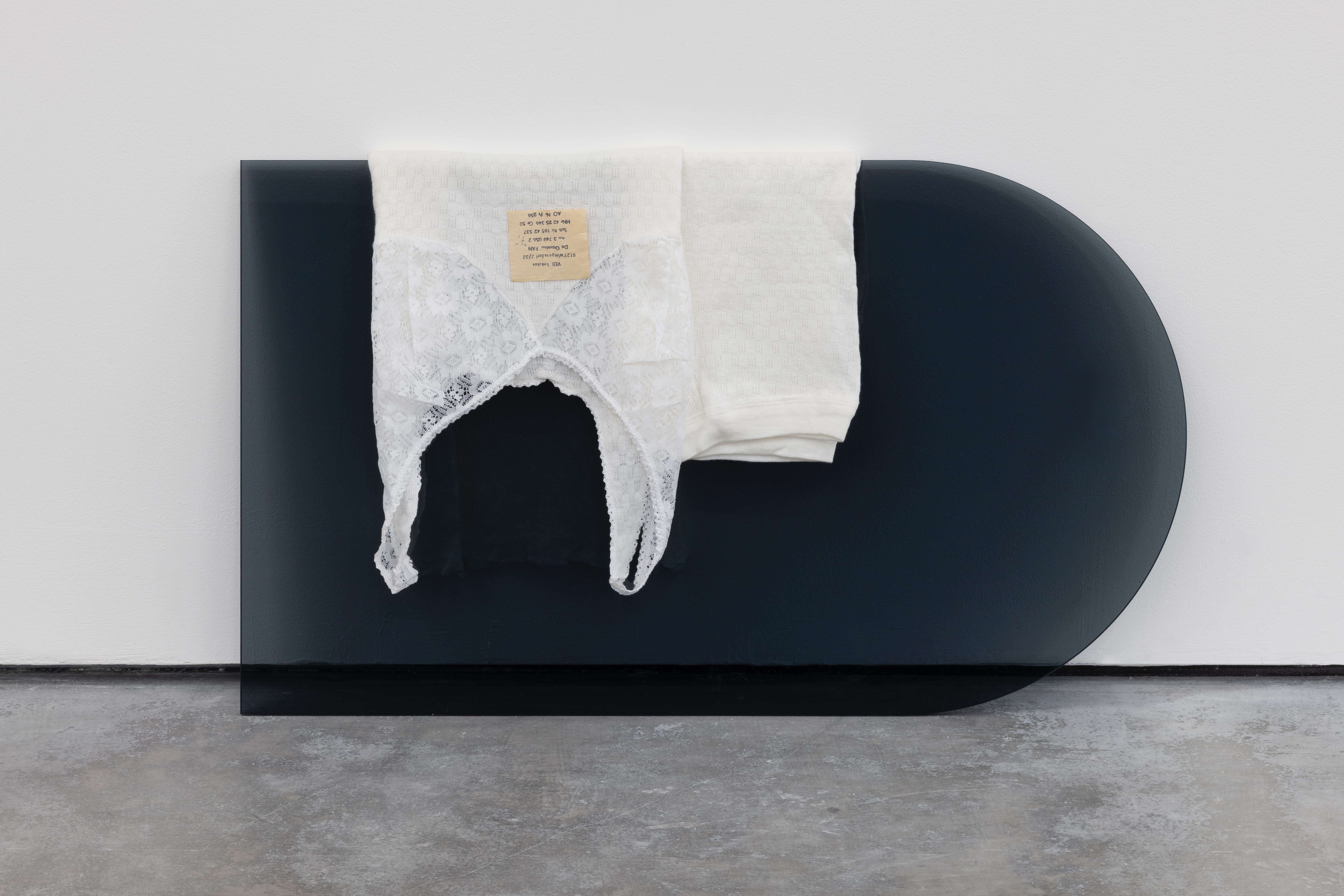
Materiality and circulation echo through the exhibition in artworks that occupy negative space as counter-forms, interrogating what is kept out of frame—what is considered useless or surplus, yet remains indispensable to the system. They also evoke a form of accountability that is not only transactional, but extends to social life, forms of intergenerational transmission, the environment, and elsewhere.
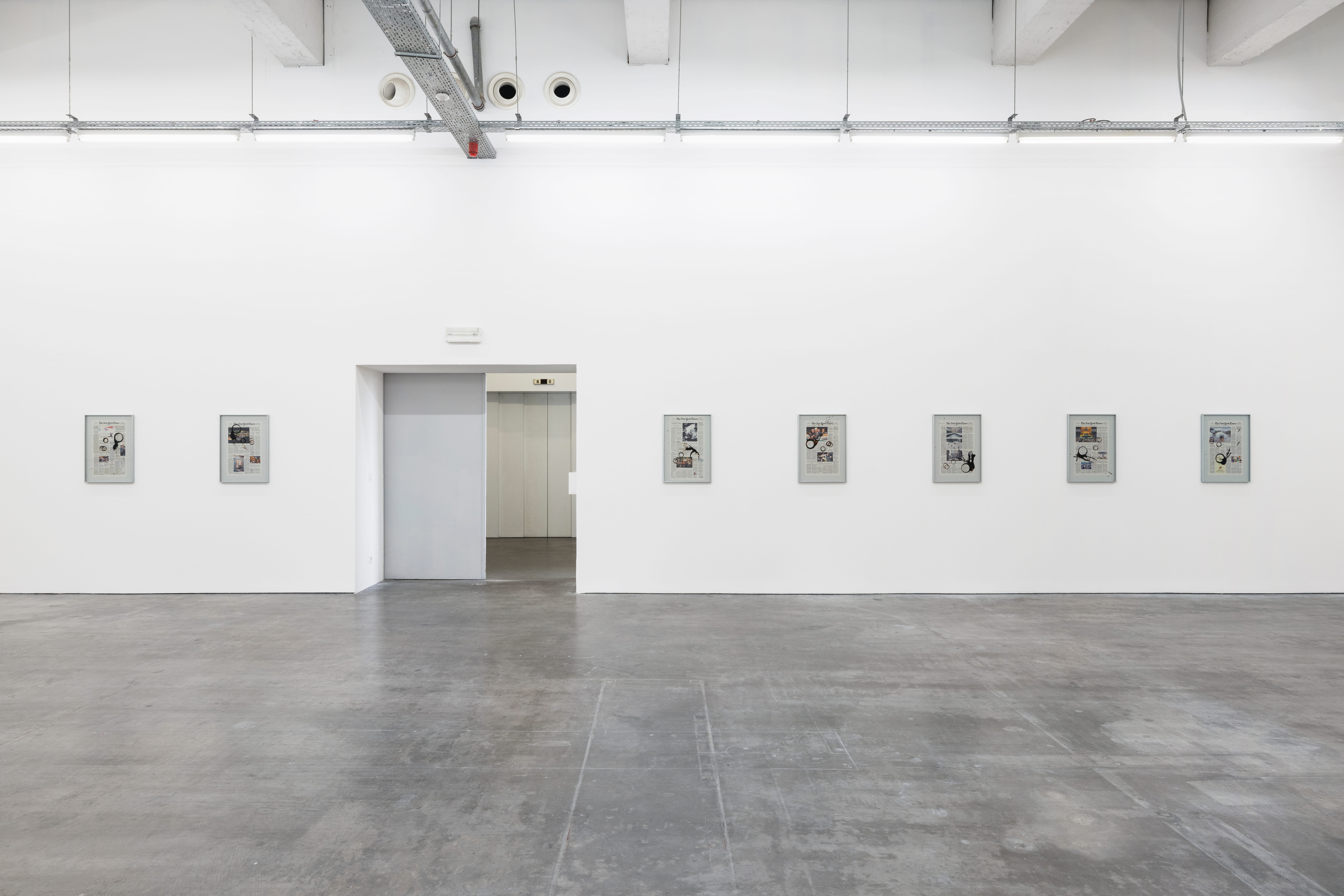
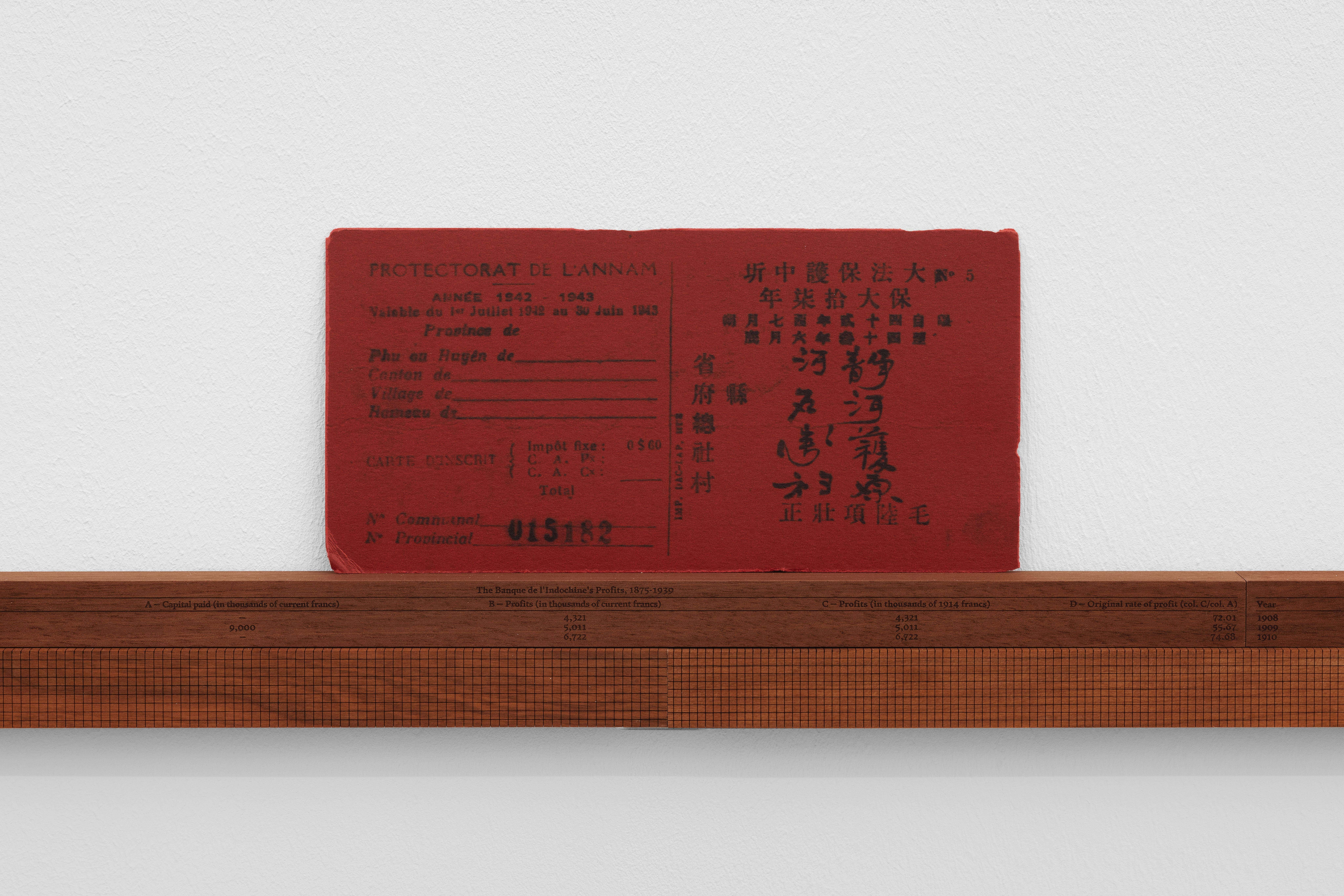
Several international artists explore the historical and political dimensions of debt. Sung Tieu examines measurement systems inherited from colonial contexts, particularly in French Indochina, as well as industrial migration agreements between Vietnam and West Germany. Annaïk Lou Pitteloud draws on the archives of The New York Times to analyse (neo-)liberal semantics and the fluctuating vocabulary of the ‘global debt system’, as well as the shrinking of the public sphere and its infrastructure, caught in the orbit of capital.
In a related conceptual approach, Niloufar Emamifar examines the legal contours of property in urban space. Dora Budor’s video works highlight the allure of technological tools as one of the driving forces behind the economy of desire. Meanwhile, the sculptures of Gianna Surangkanjanajai explore the relationships between form and content, gesture and perception.
Finally, Georgia Sagri, drawing on a background in performance art, explores representations of the body as well as forms of labour and social reproduction, which are relegated to the margins of the very economic models that profit from them.
The exhibition thus offers a shift in perspective on the forms and conditions of debt, bringing into focus a diffuse social debt, even an ‘indebted’ economy. The works on display equally invite us to think about artistic production itself, through questions of accountability, materiality and positioning. In this way, the exhibition prompts us to question what constitutes the power of debt, in its financial form. Its power perhaps lies in the promise of settling accounts, even though it requires, on the contrary, that deficit persist, so that it itself can continue circulating.
Curator: Pauline Hatzigeorgiou